
Subaru WRX Models
WRX 4th Generation (2014 – 2021 VA)
The Complete History of the Subaru WRX Fourth Generation (2014-2021)
Modernization and Technological Advancements
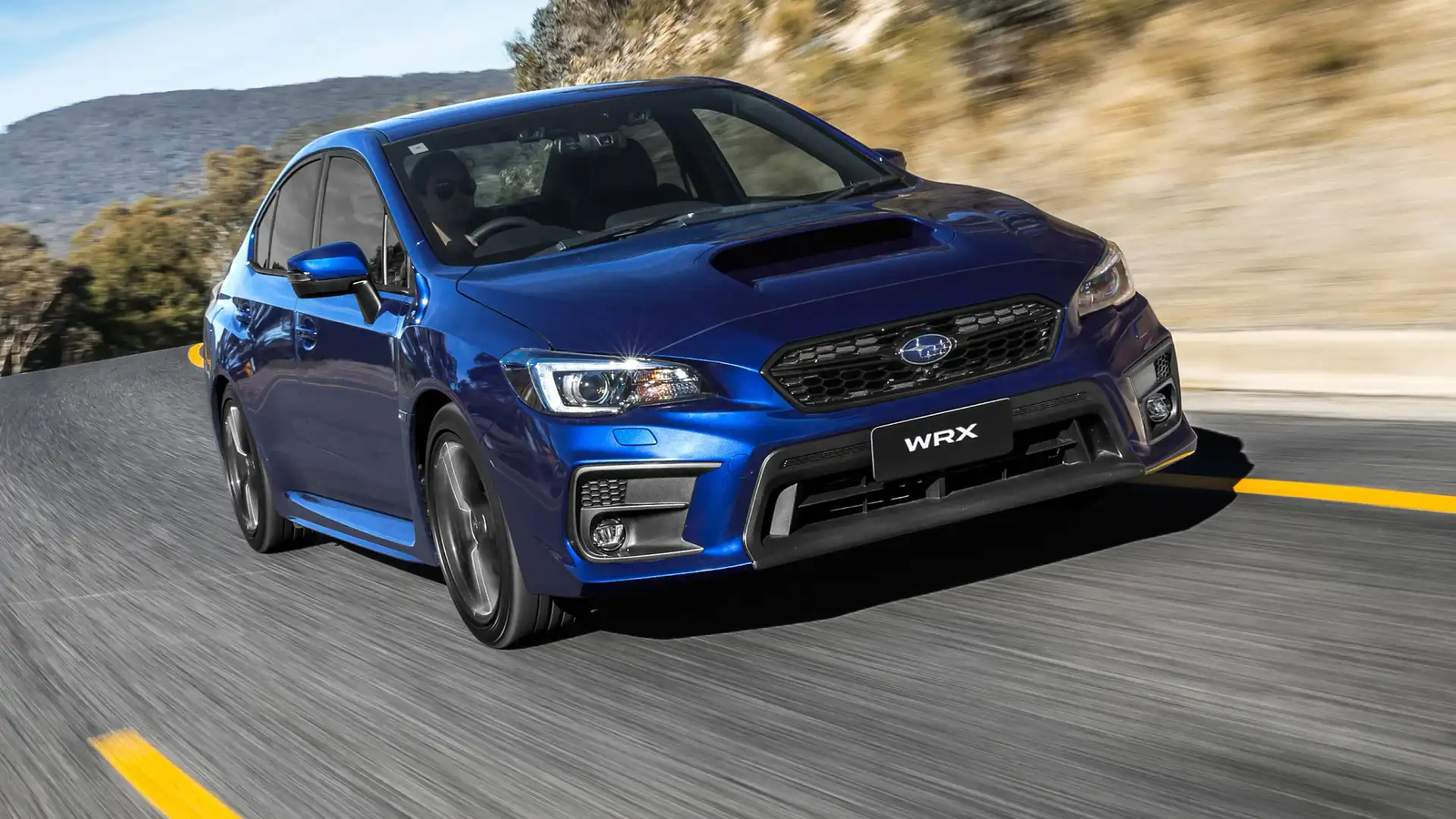
The fourth generation of the Subaru WRX, launched in 2014, marked a significant leap in modernization and technological advancements. This period saw substantial integration of contemporary technology, catering to the evolving demands of both performance enthusiasts and everyday drivers. The redesign emphasized a more refined driving experience, without compromising the car’s rally-inspired heritage.
Introduction: A New Chapter for a Legend
The Subaru WRX has long been synonymous with rally-bred performance, all-wheel-drive prowess, and a distinctive flat-four rumble. For its fourth generation, 2015 to 2021 model years (first unveiled in late 2013/early 2014), Subaru made a significant strategic shift, officially divorcing the WRX nameplate from the Impreza. This era marked a bold step forward, introducing a new direct-injection engine for the WRX while retaining the beloved, albeit aging, EJ-series engine for the high-performance WRX STI. This generation built on the VA chassis, aimed to refine the WRX formula, offering enhanced driving dynamics with improved interior quality, and more sophisticated technology, all while upholding its core performance values.
Under the hood, the WRX was powered by a new 2.0-liter direct-injection turbocharged Boxer engine, delivering a spirited performance with 268 horsepower. Paired with either a six-speed manual transmission or a Sport Lineartronic CVT, the WRX offered a versatile driving experience catering to different preferences. The WRX STI, on the other hand, retained the 2.5-liter turbocharged Boxer engine, boasting an impressive 310 horsepower, making it the choice for purists seeking a raw, track-oriented performance.
Technological advancements were not limited to performance and safety. The fourth generation WRX models featured an updated infotainment system with a larger touchscreen, supporting Apple CarPlay and Android Auto, ensuring connectivity on the go. The interior saw upgrades in terms of materials and ergonomics, providing a more comfortable and premium feel.
The Dawn of a New Era: The 2015 Subaru WRX (VA Chassis)
The 2015 model year heralded the arrival of the fourth-generation WRX, a car that, while visually sharing some cues with the Impreza was fundamentally distinct in its engineering and marketing.
Departure from Impreza Badging and Identity
For the first time in its history, the WRX was marketed explicitly as a standalone model, shedding the “Impreza” prefix that had been part of its identity since its inception. This move underscored Subaru’s intent to position the WRX as a unique performance vehicle, rather than a mere trim level of its compact sedan. Despite this, the VA chassis code reflected its shared platform origins with the contemporary Impreza.
Design Philosophy and Evolution
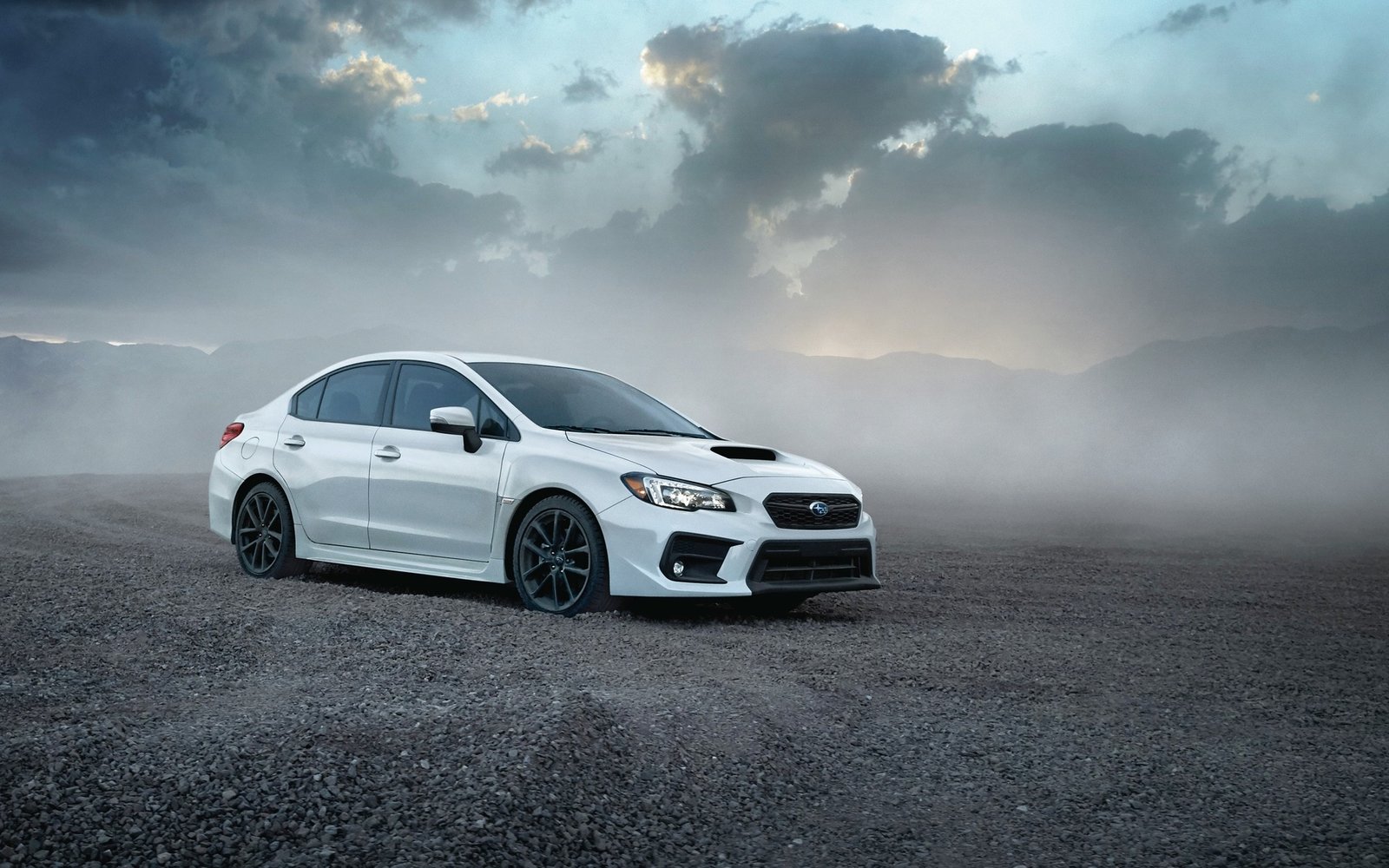
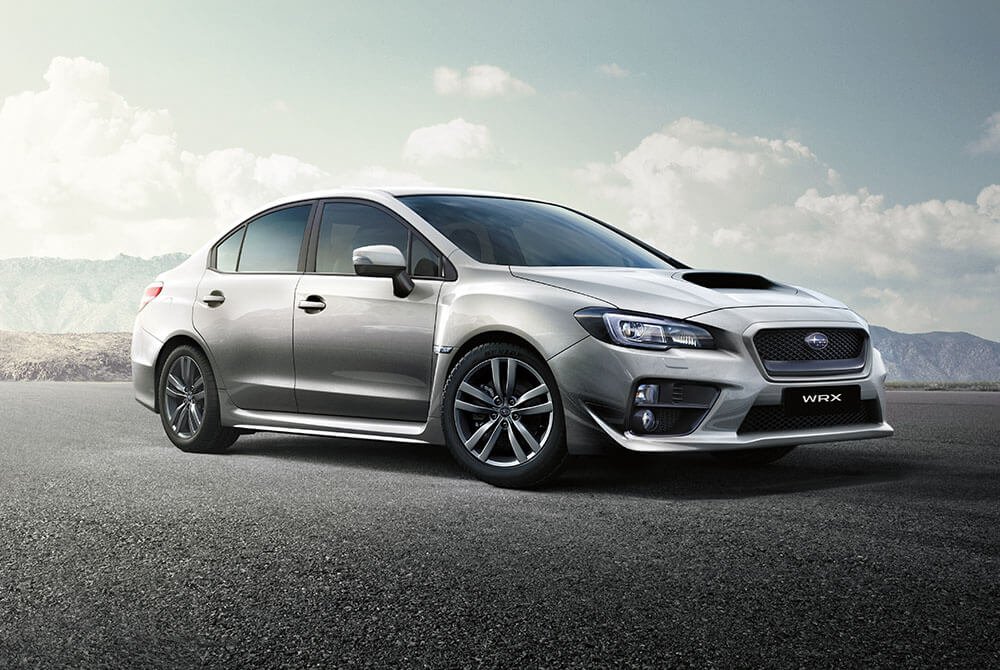
The exterior design of the 2015 WRX was more aggressive and muscular than its predecessor. It featured a wider, lower stance, a prominent hexagonal grille, and Subaru’s signature hood scoop. The front fascia was redesigned with sharper lines, and the rear boasted a more integrated spoiler and diffuser-like elements. Inside, the cabin saw significant improvements in material quality, ergonomics, and technology. A new flat-bottom steering wheel, sport seats, and an upgraded infotainment system signaled a more refined, driver-focused environment.
Engine and Drivetrain: The FA20DIT Arrives
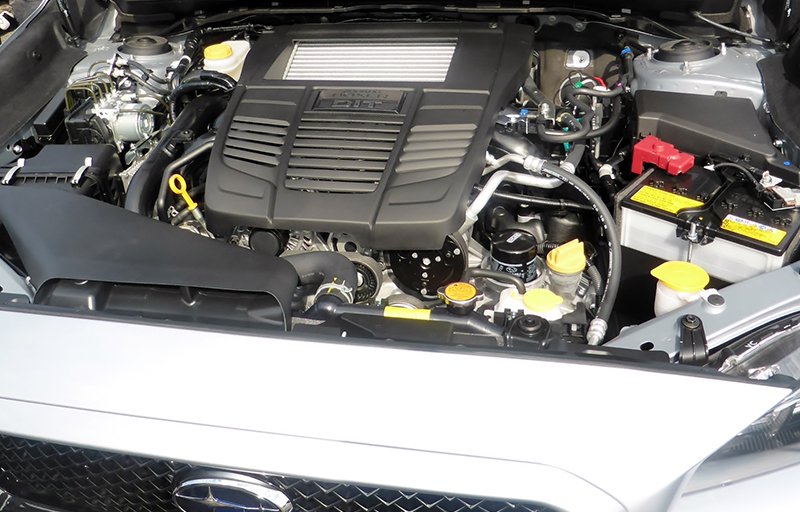
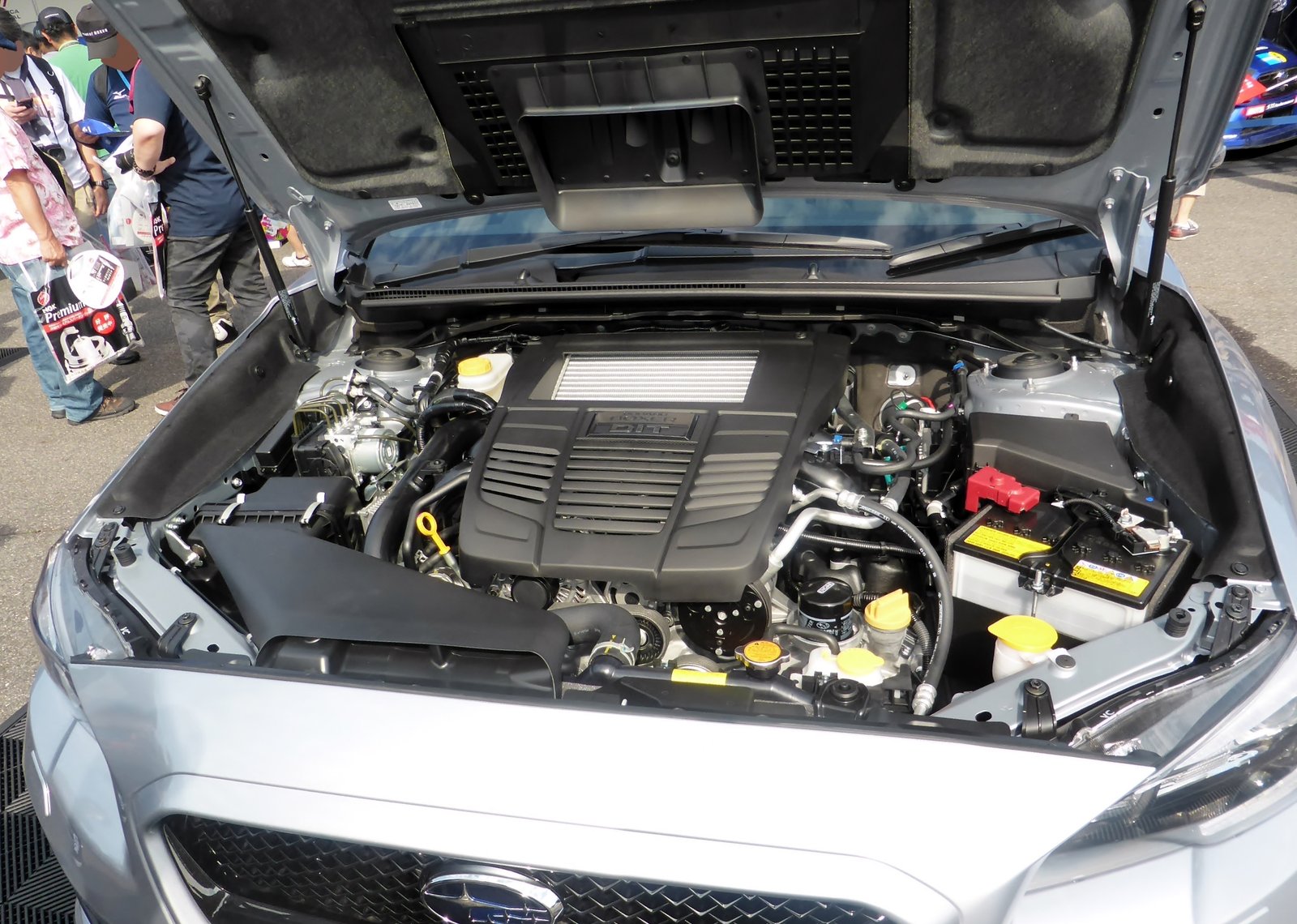
The most significant change for the standard WRX was the introduction of the all-new FA20DIT engine. This 2.0-liter horizontally opposed (boxer) four-cylinder engine featured direct fuel injection and a twin-scroll turbocharger.
- Engine Type: FA20DIT 2.0-liter DOHC turbocharged, intercooled Boxer
- Horsepower: 268 hp at 5,600 rpm
- Torque: 258 lb-ft at 2,000-5,200 rpm
- Transmission Options:
- 6-speed manual transmission (standard)
- Lineartronic Continuously Variable Transmission (CVT) with manual mode and paddle shifters (optional), offering 6-speed or 8-speed simulation depending on drive mode.
- All-Wheel Drive System (WRX): Subaru Symmetrical All-Wheel Drive with a viscous-coupling center differential, distributing power 50:50 front-to-rear and varying based on traction.
Chassis and Suspension Improvements
The VA chassis was significantly stiffened compared to the outgoing model, leading to improved handling and stability. The suspension received sportier tuning, with firmer springs, stiffer anti-roll bars, and revised damping. Active Torque Vectoring was introduced as standard, enhancing cornering agility by applying brake pressure to the inside front wheel.
The WRX STI: A Different Beast (VA Chassis)
While the standard WRX embraced a new powertrain, the 2015 WRX STI maintained a more traditional—and for many enthusiasts, preferable—approach, sticking with its proven engine and unique drivetrain.
Retaining the EJ257: Power and Heritage
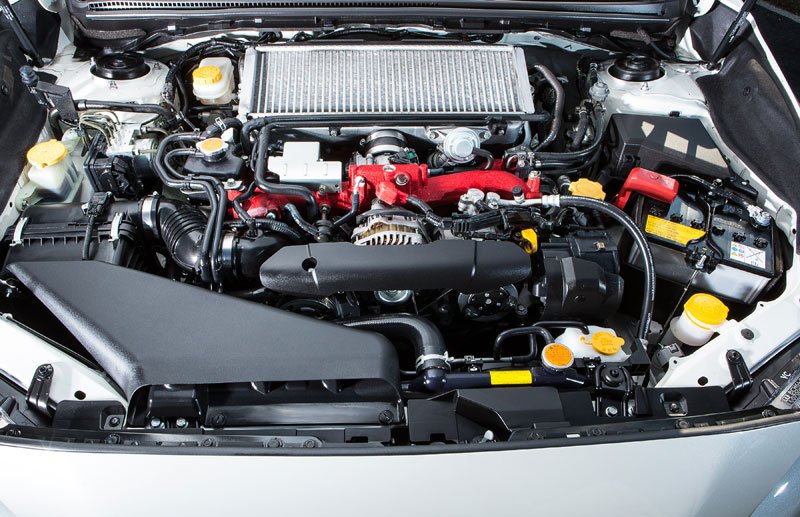
In a move that surprised some but pleased many long-time fans, the 2015 WRX STI continued to utilize the EJ257 2.5-liter turbocharged Boxer engine. This decision was largely driven by the engine’s proven rally pedigree and its ability to handle higher performance demands.
- Engine Type: EJ257 2.5-liter DOHC turbocharged, intercooled Boxer
- Horsepower: 305 hp at 6,000 rpm (initially; some later models saw minor bumps)
- Torque: 290 lb-ft at 4,000 rpm
- Transmission: Exclusive 6-speed manual transmission
- All-Wheel Drive System (STI): Driver Controlled Center Differential (DCCD) Symmetrical All-Wheel Drive. This advanced system allows the driver to manually adjust the center differential’s locking ratio or let it operate automatically, providing exceptional control over power distribution.
STI-Specific Enhancements
The STI was distinguished by a host of performance upgrades beyond its engine:
- Suspension: Stiffer springs, dampers, and anti-roll bars unique to the STI, often featuring inverted front struts for enhanced rigidity.
- Brakes: Brembo performance braking system with larger rotors and multi-piston calipers (e.g., 4-piston front, 2-piston rear).
- Steering: Quicker steering ratio for more direct feedback.
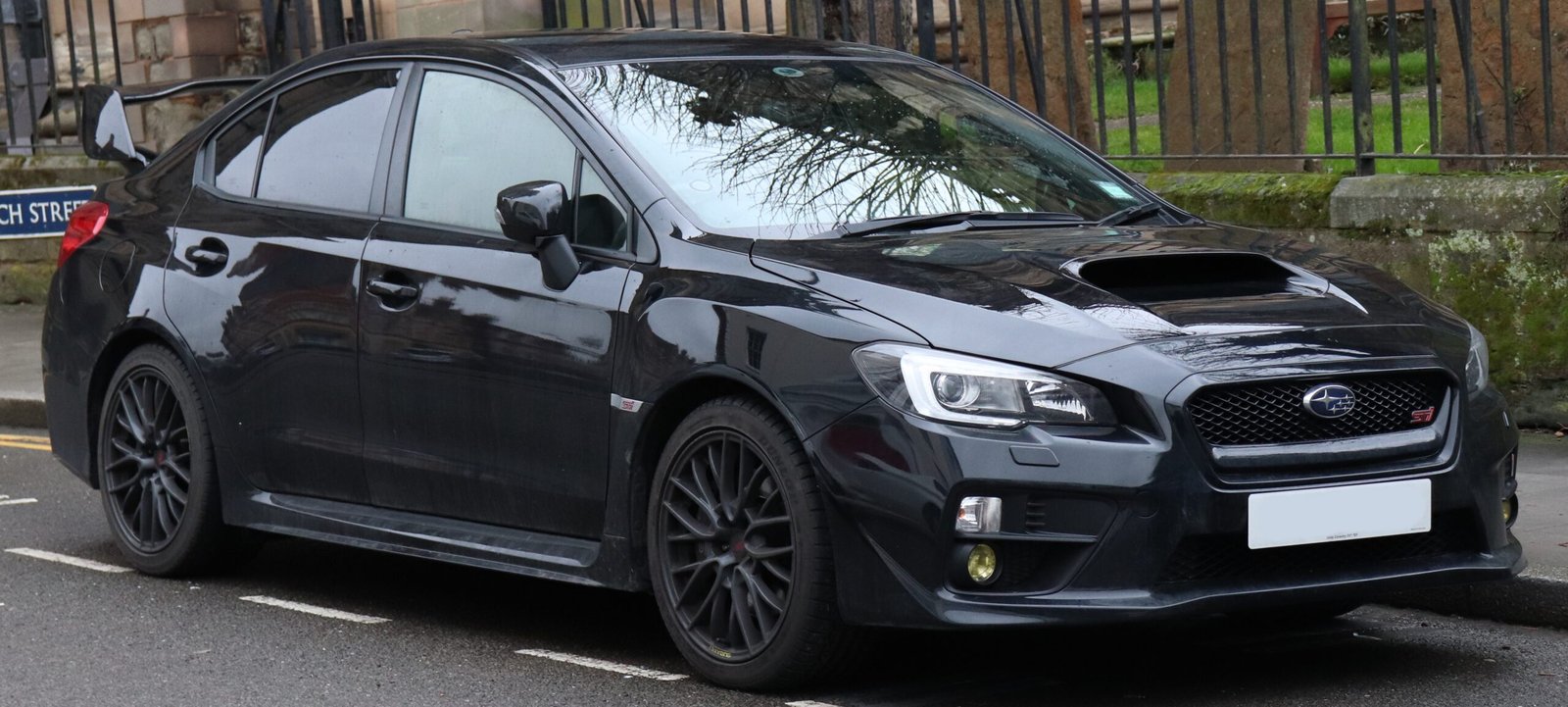
- Aerodynamics: A large, iconic rear wing (available as a delete option in some markets/trims), unique front splitter, and side skirts.
- Drivetrain: Stronger differentials and a more robust transmission to handle the EJ257’s power.
Mid-Cycle Refresh: The 2018 Subaru WRX/STI
For the 2018 model, both the WRX and WRX STI received a significant refresh, addressing aesthetic and functional criticisms of the initial launch.
Exterior Updates
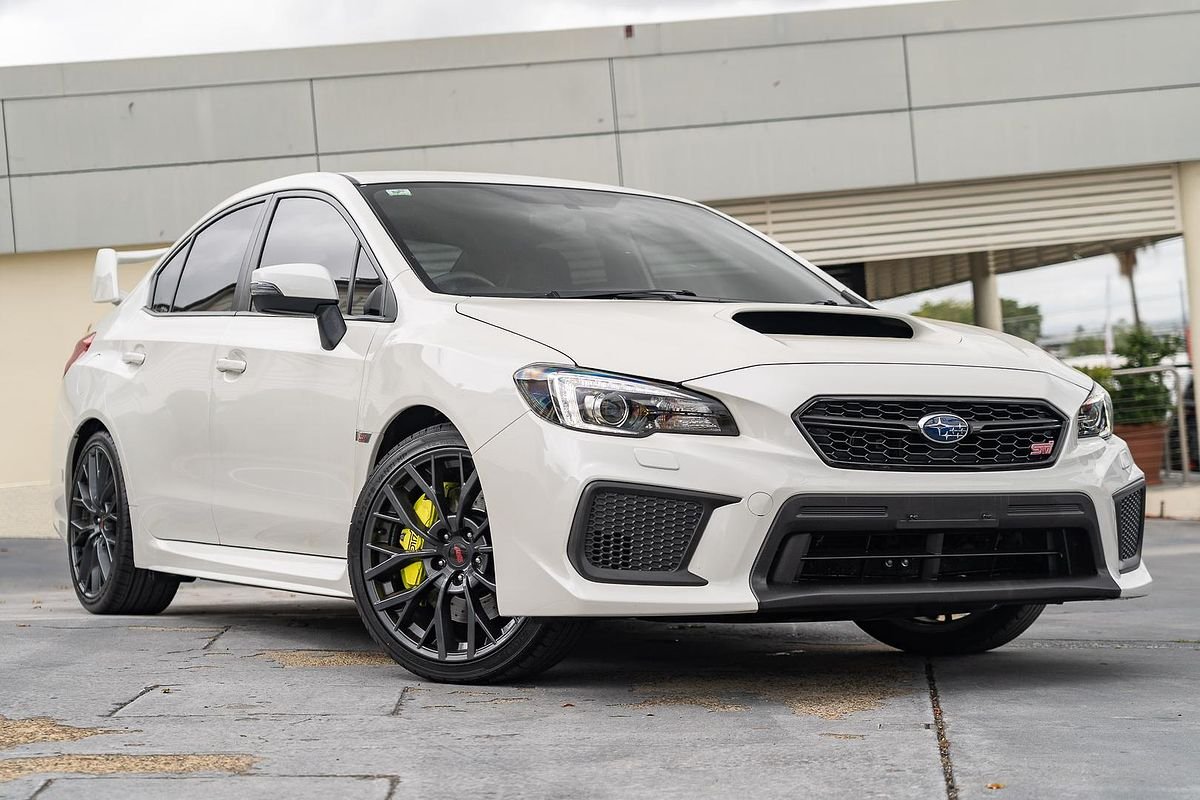
- Front Fascia: Redesigned front bumper, grille, and lower intake for a more aggressive and modern look.
- Headlights: New LED steering-responsive headlights (SRH) for WRX Limited and STI models, improving nighttime visibility.
- Fog Lights: Revised fog light bezels.
- Roof Rack Mounts: Integrated roof rack mounting points were added.
Interior Enhancements
- Materials: Upgraded interior materials, including new door trim and dashboard panels, aimed at a more premium feel.
- Infotainment: Improved Starlink multimedia system with a faster processor and enhanced user interface.
- Comfort: Revised interior door grips, a new center console with improved storage, and an updated rearview mirror.
- Sound Deadening: Thicker door glass and revised door seals contributed to a quieter cabin.
Performance Tweaks
- WRX: Minor revisions to the electric power steering for a more natural feel.
- WRX STI:
- Brakes: Introduction of yellow-painted Brembo brake calipers (6-piston front, 2-piston rear) and larger cross-drilled rotors for enhanced stopping power and fade resistance.
- DCCD: The Driver Controlled Center Differential (DCCD) was updated to an all-electronic system, providing quicker and smoother response.
- Suspension: Retuned suspension for a more refined ride without sacrificing handling.
Continuing the Legacy: 2019-2020 Models
These years Subaru continue to refine the WRX and STI, often through the introduction of limited-edition models that offered unique styling and performance enhancements.
- 2019:
- WRX Series.Gray (Limited Edition): Featured Cool Gray Khaki exterior paint, black 18-inch wheels, black exterior badging, and Recaro performance seats.
- WRX STI Series.Gray (Limited Edition): Shared the Cool Gray Khaki paint and black accents, adding exclusive silver Brembo calipers, Bilstein sport-tuned suspension, and Recaro seats.
- 2020:
- WRX STI S209 (Limited Edition – 2019 Model Year Production, Sold in 2020): A highly exclusive, track-focused model. It featured a hand-built EJ257 engine tuned by STI to produce 341 hp and 330 lb-ft of torque, a wide-body kit, massive rear wing, chassis stiffening, upgraded suspension, and Brembo brakes. Only 209 units were produced for the US market.
- WRX STI Kanrai Edition (Canada Only): Similar to the Series.White in the US.
- Minor interior updates for standard models, including revised infotainment.
The Farewell Tour: 2021 Subaru WRX/STI
The 2021 model year marked the final iteration of the fourth-generation WRX and WRX STI before the introduction of the all-new fifth generation. As is common for end-of-cycle models, changes were minimal, with Subaru focusing on special editions to bid farewell to the venerable VA chassis.
- 2021:
- WRX STI Series.White (Limited Edition): Featured Ceramic White paint, matte bronze 19-inch BBS wheels, silver Brembo calipers, Bilstein sport-tuned suspension, and Recaro seats. This was effectively a re-release of the STI Series.Gray with a different paint scheme.
- Minor package adjustments for standard WRX and STI models.
- No significant mechanical changes, maintaining the established FA20DIT for the WRX and EJ257 for the STI.
Legacy and Impact
The fourth-generation Subaru WRX and WRX STI left a significant mark on the brand’s history and the performance car segment.
- Modernization: It successfully modernized the WRX, offering a more refined interior, improved ride quality, and advanced technology, without abandoning its performance roots.
- Engine Transition: The introduction of the FA20DIT engine for the standard WRX was a pivotal moment, signaling Subaru’s commitment to modern direct-injection technology, while the STI’s retention of the EJ257 became a point of both reverence and contention among enthusiasts.
- Special Editions: This generation saw a proliferation of desirable special editions, particularly for the STI, culminating in the legendary S209, which pushed the boundaries of factory-tuned WRX performance.
- Driving Dynamics: Despite some criticisms regarding steering feel (especially on early models) and the polarizing nature of the CVT, the VA chassis was widely praised for its sharp handling, tenacious grip, and engaging driving experience.
Interesting Facts
- Subaru had promised to completely move the WRX and STi off the Impreza chassis and body to create a standalone model, but they instead chose to simply alter the Impreza’s body, and chassis and remove the Impreza name
- This model is the first of the WRX line to deviate from the EJ-series engine. It uses the new 2.0-litre FA20F engine, which has direct injection and a twin-scroll turbocharger
- WRX STi models retained the previous STi engines (2.0-litre EJ207 for Japanese models, 2.5-litre EJ257 for international models)