
Subaru WRX History
Lets take a look at the WRX History, an iconic rally bred car that took on the world
Introduction to the Subaru Impreza WRX History
Lets have a look at the WRX History. The Subaru Impreza WRX holds a distinguished place in automotive history, renowned for its exemplary performance and reliability. Launched in early 1990s, the WRX, short for World Rally eXperimental, was designed to bring Subaru’s rally heritage to the streets. The car quickly garnered a reputation for its handling, turbocharged power, and all-wheel-drive capabilities, making it a favorite among enthusiasts and rally drivers alike.
From its humble beginnings as a homologation special for the World Rally Championship (WRC) to its current status. The Subaru WRX has captivated enthusiasts for over three decades. Over the years, the Subaru Impreza WRX has evolved, but its core principles of performance and reliability have remained steadfast. Its turbocharged engines and all-wheel-drive systems have set new benchmarks in the automotive world, cementing its status as an icon. The WRX’s success on the rally stages translated into commercial success, with a loyal fan base that spans the globe.
For many, the WRX represents more than just a mode of transportation; it is a symbol of driving passion and engineering prowess. Its ability to blend everyday usability with race-bred performance has made it a go-to choice for those seeking both excitement and dependability.
The Unrivaled Legacy: A Complete History of the Subaru WRX (1992-2026)
The Subaru Impreza made its debut in 1992 as a compact car. Designed to be a versatile and reliable vehicle for a broad range of consumers. However, it was the introduction of the WRX (World Rally eXperimental) variant that truly set the model apart. The WRX was unveiled in Japan in 1992, capturing the attention of automotive enthusiasts with its performance-oriented design and engineering.
Under the hood, the early WRX models were equipped with a turbocharged 2.0-liter EJ20 engine, which produced an impressive 237 horsepower. This power was complemented by Subaru’s signature Symmetrical All-Wheel Drive system. This system providing exceptional handling and stability, especially in challenging driving conditions. These specifications made the WRX a formidable contender not only on the streets but also on rally tracks.
Aesthetically, the first-generation WRX featured a sleek and functional design, with a focus on aerodynamics. The car’s aggressive stance was accentuated by distinct features such as a large hood scoop, which provided additional cooling for the turbocharged engine. Wide wheel arches that accommodated its robust suspension setup. Inside, the WRX offered a driver-focused cabin with supportive seats and straightforward controls, emphasizing performance and functionality.
The public reception of the Subaru Impreza WRX was overwhelmingly positive. Enthusiasts praised the car for its balance of performance and practicality, while its competitive pricing made it accessible to a wider audience. The WRX’s entry into the World Rally Championship (WRC) in 1993 further cemented its reputation. Driven by legends like Colin McRae, the WRX quickly made a name for itself, demonstrating remarkable speed and reliability on the global stage.
The Genesis: First Generation (GC/GM/GF – 1992-2000)
The story of the WRX begins in Japan, born from Subaru’s desire to dominate the World Rally Championship. The “WRX” moniker stood for “World Rally eXperimental,” and it truly embodied the spirit of rally-bred performance for the road.
Early JDM Dominance and Rally Glory (1992-1996)
- 1992 Introduction: The first Impreza WRX debuted in November 1992 exclusively for the Japanese market. It featured a 2.0-liter turbocharged EJ20 engine, producing 240 PS (237 hp), paired with Subaru’s renowned symmetrical all-wheel drive. Available as a sedan (GC8) and a wagon (GF8), it immediately set a new benchmark for performance sedans.
- WRX RA (Rally Applicant): A lighter, more stripped-down version designed for motorsport enthusiasts, often featuring a driver-controlled center differential (DCCD) from early on.
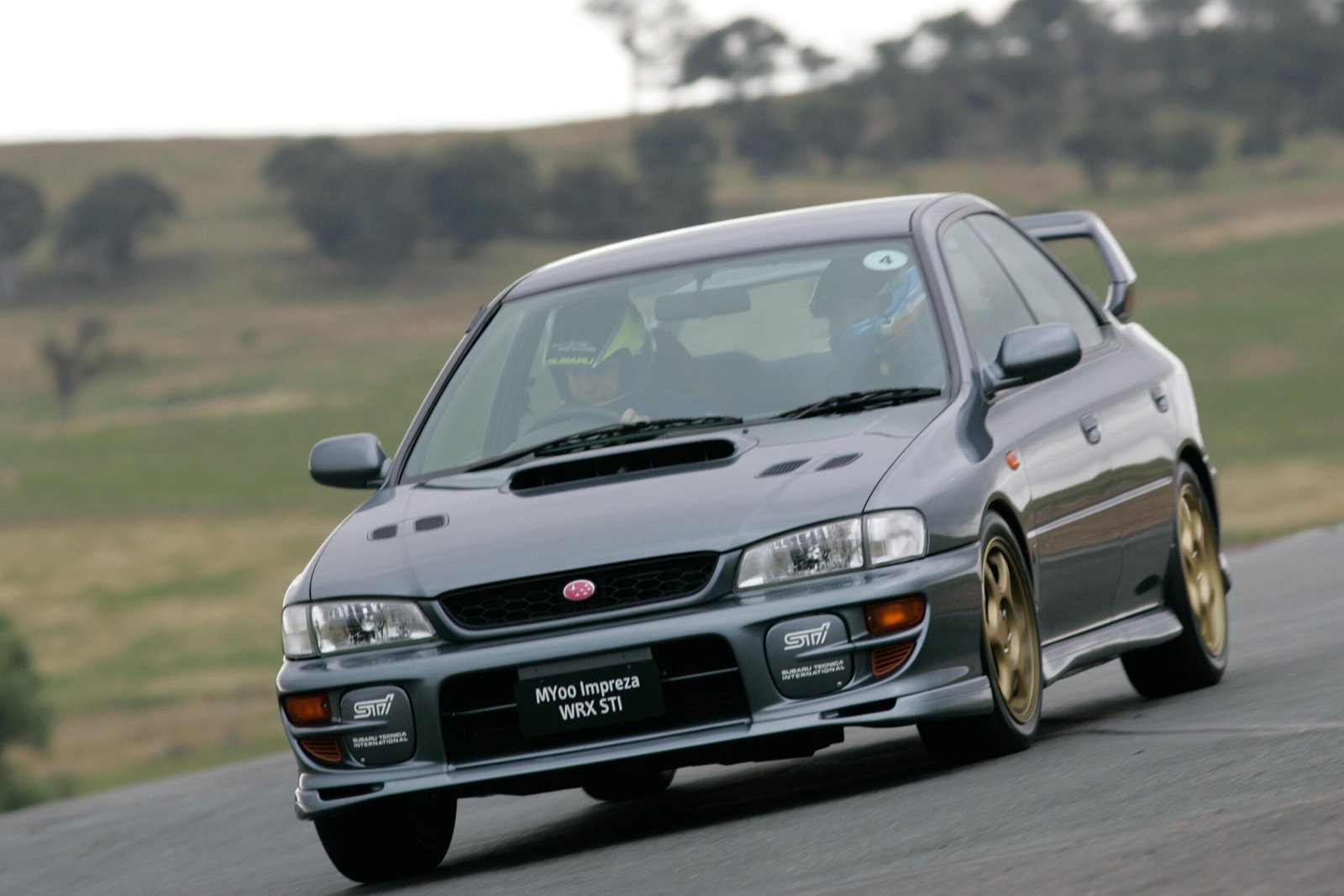
- STi (Subaru Tecnica International) is Born: In 1994, Subaru introduced the hand-built WRX STi Version 1. These early STi models featured blueprinted engines, upgraded suspensions, and unique styling cues, pushing power to 250 PS. This marked the beginning of a legendary sub-brand.
- WRC Success: Colin McRae, Richard Burns, and Petter Solberg famously piloted the Impreza WRC car to multiple championships, cementing the WRX’s performance credibility worldwide.
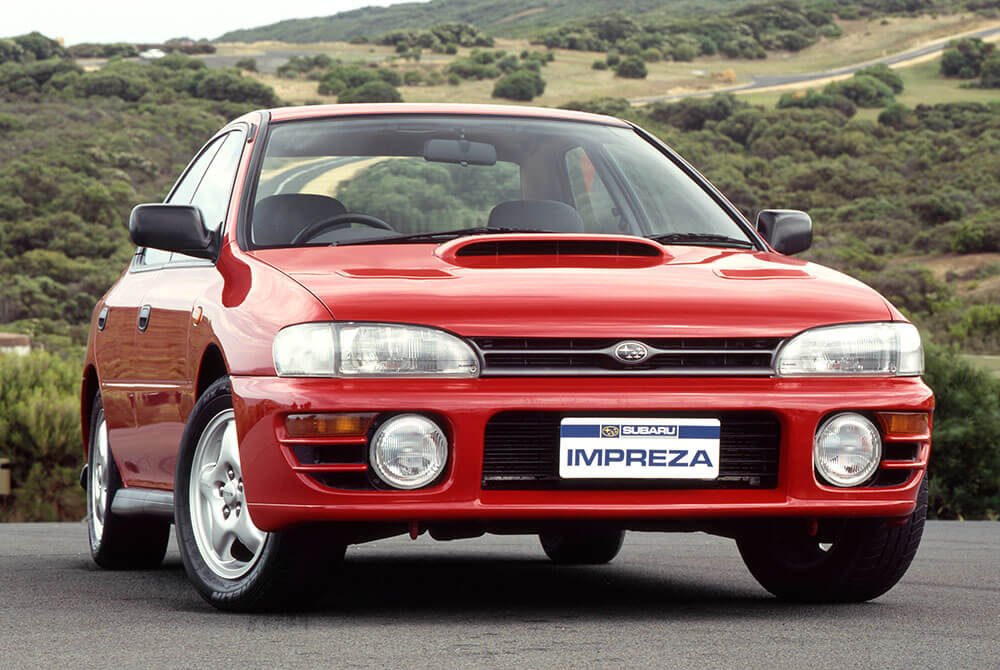
Evolution and Global Expansion (1997-2000)
- WRX STi Version 3 (1996): Power output reached 280 PS (276 hp), meeting Japan’s “gentleman’s agreement” limit. This version saw significant engine and chassis improvements.
- Limited Editions & Iconic Models:
- 22B STi (1998): A legendary wide-body, two-door coupe produced in limited numbers (400 for Japan, 24 for the UK, 3 for Australia) to celebrate Subaru’s 40th anniversary and third consecutive WRC manufacturers’ title. It featured a larger 2.2-liter EJ22G engine producing 280 PS and an aggressive, rally-inspired stance. It remains one of the most sought-after WRX models.
- P1 (Prodrive One – 2000): A UK-exclusive, two-door coupe developed by Prodrive, offering 280 PS and optimized for European roads.
- International Availability: While the WRX wasn’t officially sold in North America during this generation (the Impreza 2.5RS served as a spiritual precursor), it gained significant traction in markets like the UK and Australia.
The Bug Eye and Beyond: Second Generation (GD/GG – 2000-2007)
The second generation saw the WRX grow in size, sophistication, and, crucially, reach a global audience, including its long-awaited debut in the United States.
The Controversial “Bug Eye” and US Introduction (2000-2002)
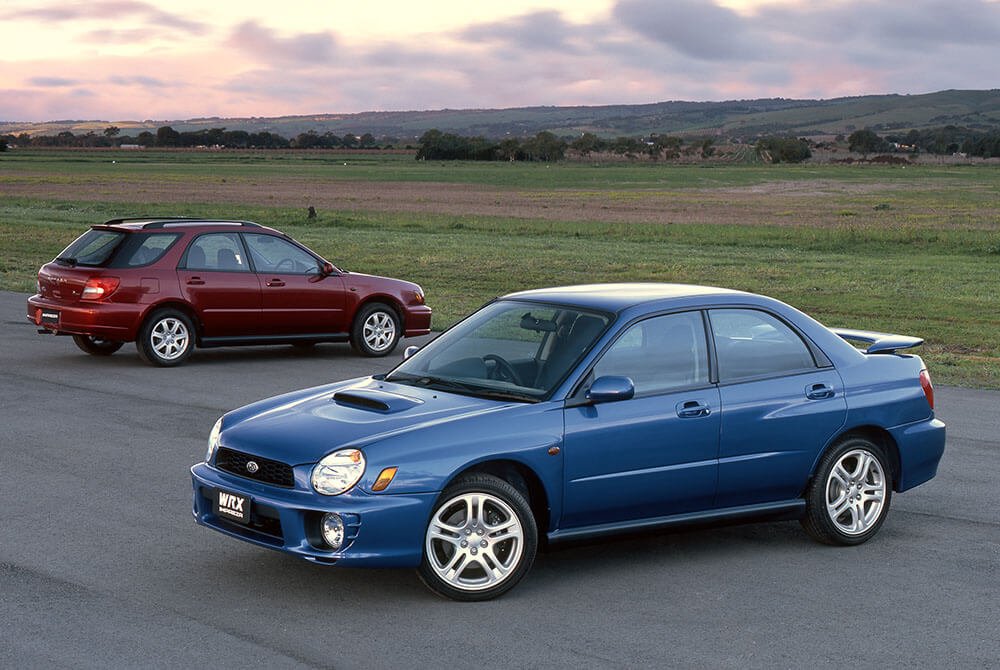
- 2000 Redesign: The Impreza WRX received a complete overhaul, featuring a larger, stiffer chassis and a new, more rounded design. The distinctive round headlights earned it the “Bug Eye” nickname, a design that proved divisive but quickly became iconic.
- US Market Debut (2001/2002 Model Year): Subaru finally brought the WRX to North America, initially with a 2.0-liter EJ205 turbocharged boxer engine producing 227 hp. It was an instant hit, offering unprecedented performance and AWD capability at its price point.
- STi Joins the Party (2004 US Model Year): The WRX STi officially arrived in the US for the 2004 model year, featuring a more powerful 2.5-liter EJ257 engine (300 hp), a six-speed manual transmission, driver-controlled center differential (DCCD), Brembo brakes, and an aggressive wide-body kit with a distinctive rear wing.
Design Refinements and Performance Boosts (2003-2007)
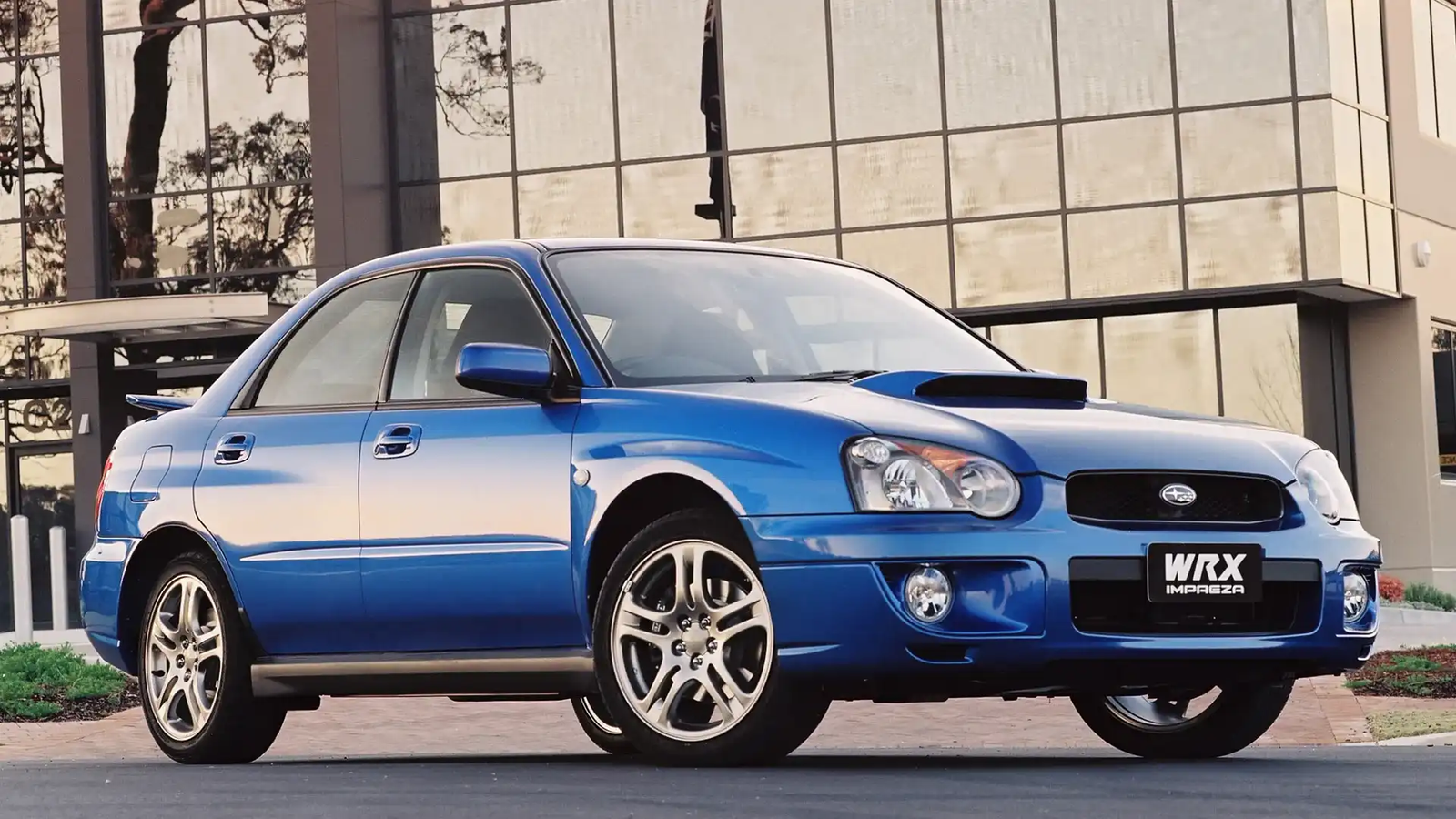
- “Blob Eye” Facelift (2003-2005): Responding to criticism of the “Bug Eye” design, Subaru introduced a facelift with more conventional, teardrop-shaped headlights and subtle styling tweaks. Performance remained strong, with the EJ205 for the WRX and EJ257 for the STi.
- “Hawk Eye” Facelift (2006-2007): The final iteration of the second generation brought another significant facelift, featuring sharper, angular headlights and a more aggressive front fascia. Crucially, the US-market WRX received a larger 2.5-liter EJ255 engine, boosting power to 230 hp, narrowing the gap to the STi. The STi continued with its 300 hp EJ257.
Growth and Refinement: Third Generation (GE/GH/GR/GV – 2007-2014)
This generation marked a significant shift, with the WRX moving to a larger, heavier platform and initially being offered exclusively as a hatchback in some markets.
Hatchback Focus and Initial Softening (2007-2010)
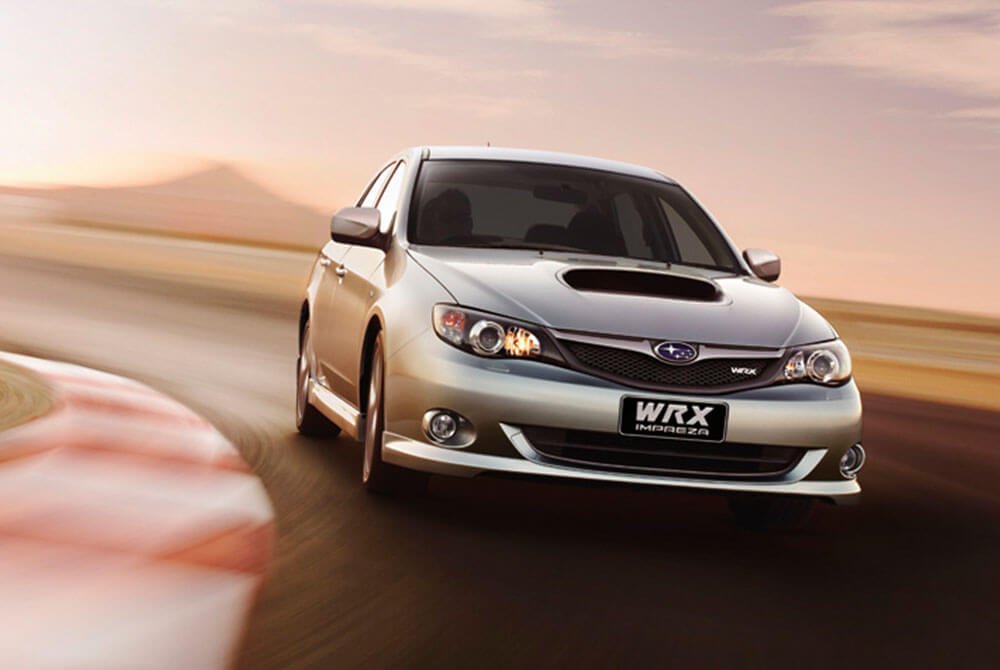
- 2007 Redesign: The third-generation WRX debuted with a new, larger platform, initially available as a five-door hatchback (GR) and a four-door sedan (GE – non-WRX). The base WRX was perceived as softer and less aggressive than its predecessors, especially in its initial 224 hp form.
- Quick Power Bump (2009 WRX): Responding to enthusiast feedback, Subaru quickly upgraded the WRX’s engine for 2009, boosting power to 265 hp and stiffening the suspension, giving it more of its aggressive edge back.
- STi Continues Strong: The WRX STi launched with a wide-body hatchback (GR) and a 305 hp EJ257 engine, maintaining its performance credentials. It featured a more refined DCCD system and a sport-tuned chassis.
Return of the Wide-Body Sedan and Refinement (2011-2014)
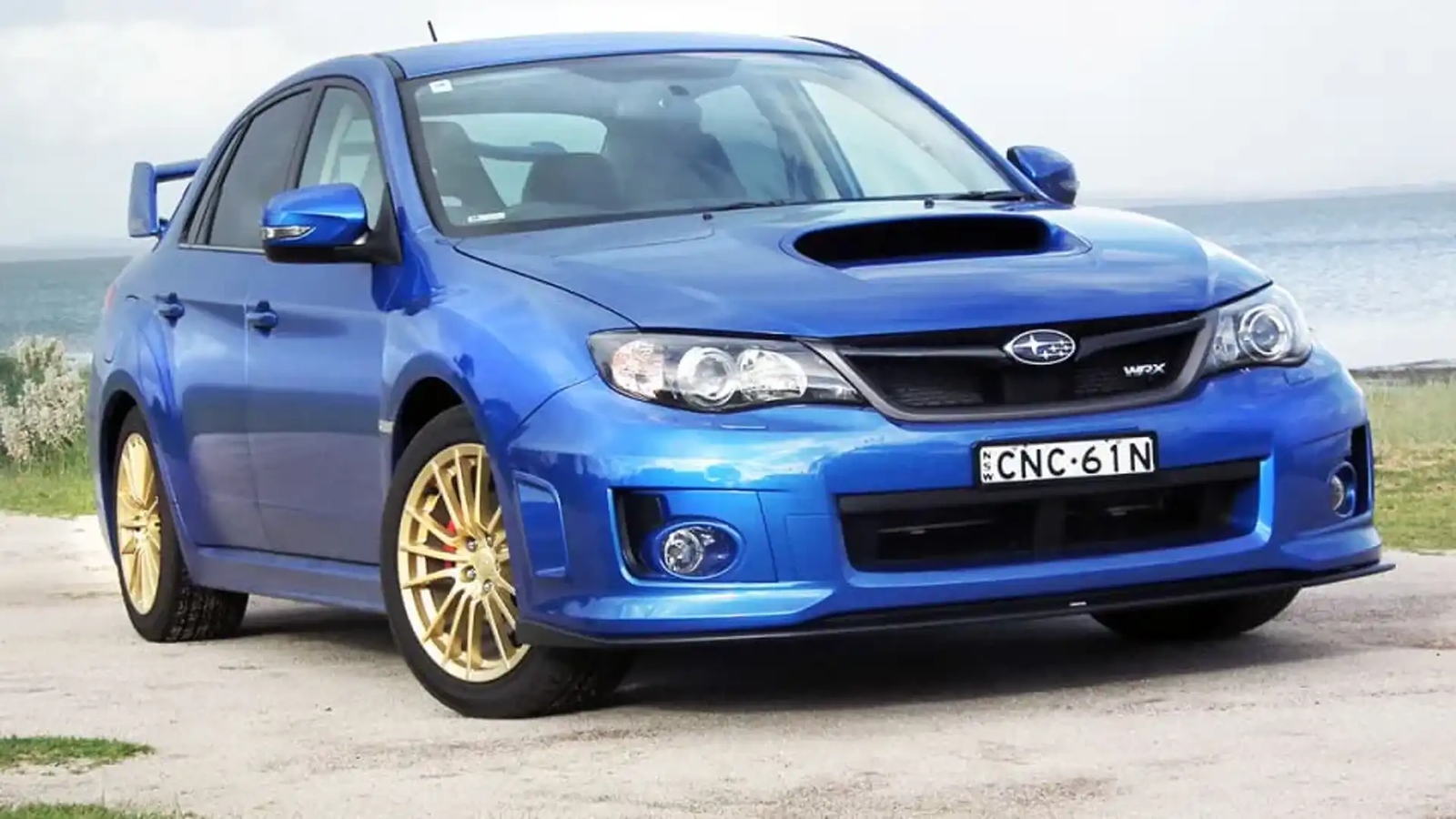
- 2011 Facelift and Wide-Body Sedan: A significant refresh brought back the wide-body sedan (GV) for the WRX, mirroring the STi’s aggressive stance. Both the WRX and STi models adopted a more muscular appearance, further distinguishing them from the standard Impreza.
- Engine Consistency: The WRX maintained its 265 hp EJ255 engine, while the STi continued with the 305 hp EJ257, both paired with a six-speed manual transmission. This generation focused on balancing daily usability with track-ready performance.
- Special Editions: Various limited editions, such as the WRX STi Special Edition (US) and the WRX STi tS (Japan), offered unique tuning and aesthetic enhancements.
Splitting Paths: Fourth Generation (VA – 2014-2021)
The fourth generation marked a pivotal moment where the WRX officially branched off from the Impreza line, becoming a distinct model with unique styling and powertrains.
A New Engine and Distinct Identity (2014-2017)
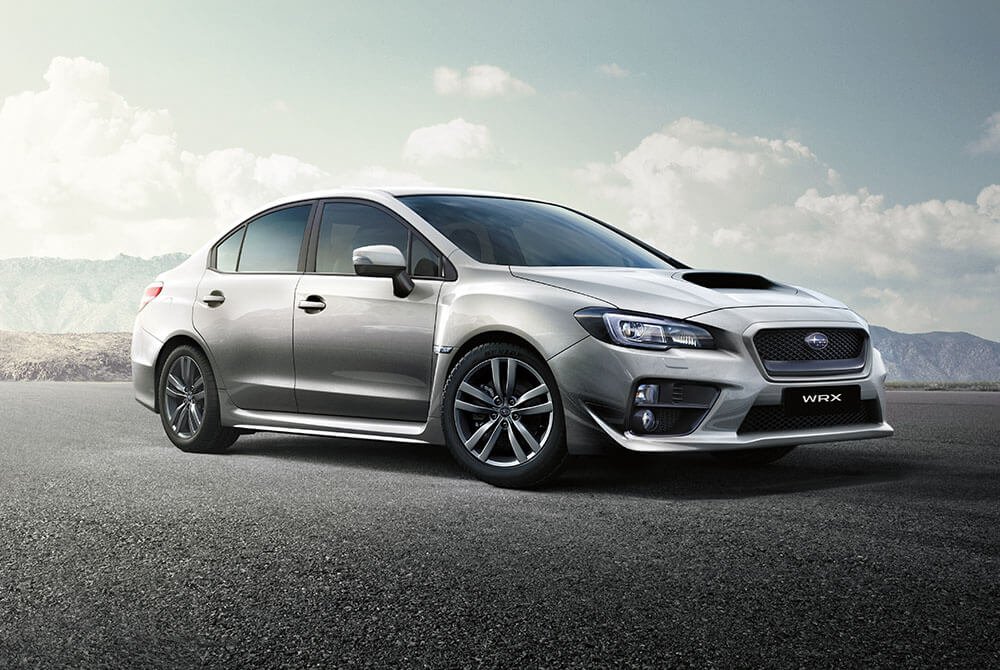
- 2014 Redesign (2015 Model Year): The WRX shed the Impreza name, becoming simply the “Subaru WRX.” It debuted a new, more aggressive design that was clearly differentiated from the standard Impreza sedan.
- New WRX Powertrain: The biggest change for the WRX was the introduction of the new 2.0-liter FA20DIT engine. This direct-injection, twin-scroll turbocharged boxer engine produced 268 hp and significantly more torque (258 lb-ft) at lower RPMs, enhancing daily driveability and responsiveness. It was offered with a 6-speed manual or a continuously variable transmission (CVT) option.
- STi Retains EJ257: Controversially for some, the WRX STi continued with the venerable 2.5-liter EJ257 engine, producing 305 hp. While the engine was largely carried over, the STi benefited from a significantly stiffer chassis, revised suspension, and active torque vectoring, making it the most capable EJ-powered STi to date.
Refinements and the End of an Era (2018-2021)
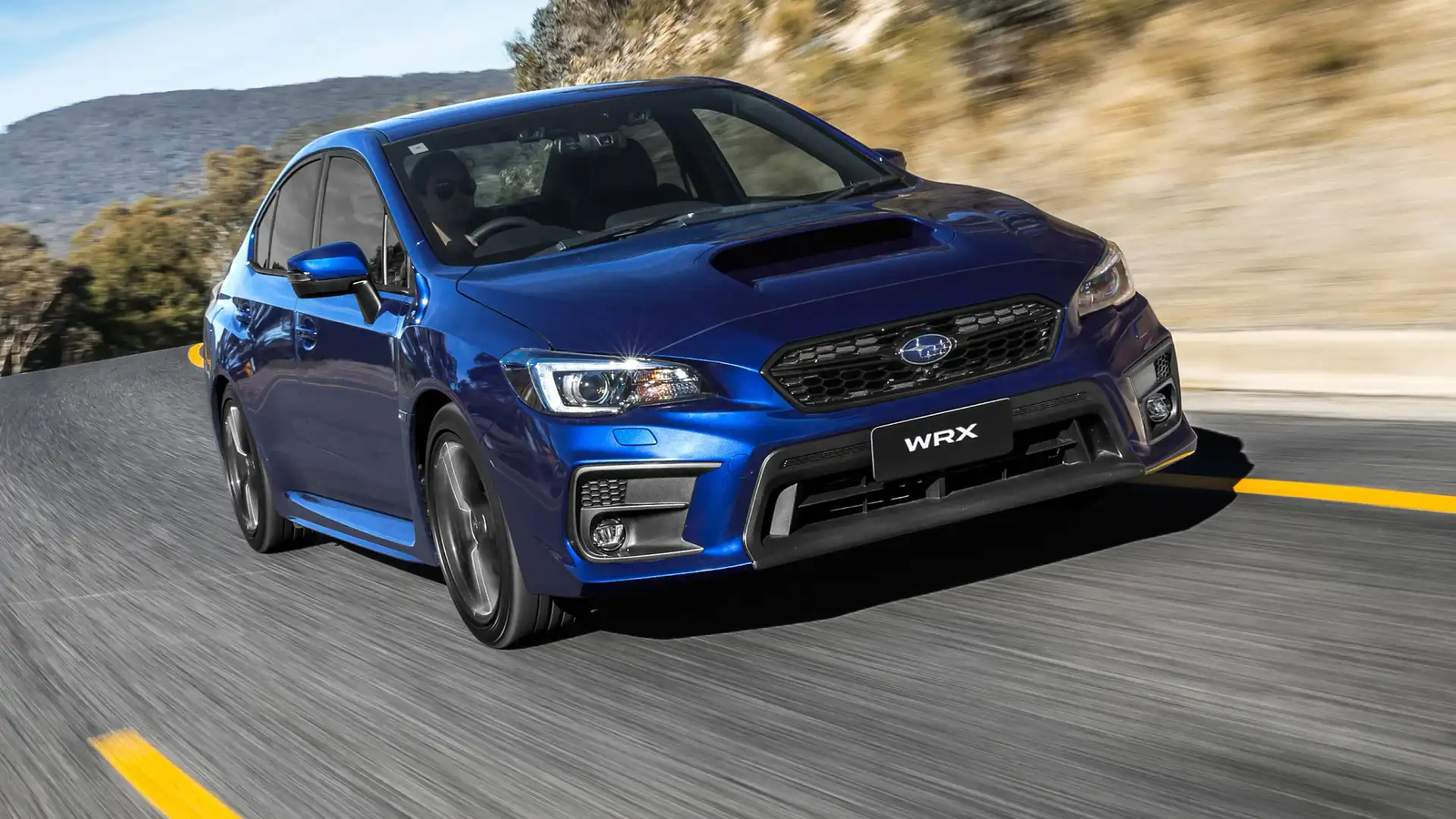
- 2018 Facelift: Both the WRX and STi received a mid-cycle refresh with revised front styling (more aggressive grille, C-shaped daytime running lights), updated interior materials, and minor chassis tweaks. The STi received stronger Brembo brakes (6-piston front, 2-piston rear).
- WRX STI S209 (2019): A highly exclusive, limited-production model (209 units for the US market) based on the STi, featuring an upgraded EJ25 engine with 341 hp, wider bodywork, unique aero, and track-focused suspension. It was the first “S” model STi to be sold outside of Japan.
- Final EJ257 STi (2021): The 2021 model year marked the end of production for the WRX STi in its current form, as Subaru announced that the next-generation WRX would not have an STi variant. This decision was largely driven by tightening emissions regulations and a shift towards electrification.
A New Era: Fifth Generation (VB – 2021-Present)
The current generation of the WRX represents a significant step forward in platform, technology, and engine, while also charting a new course without its storied STi sibling.
Subaru Global Platform and FA24F Engine (2021-Present)
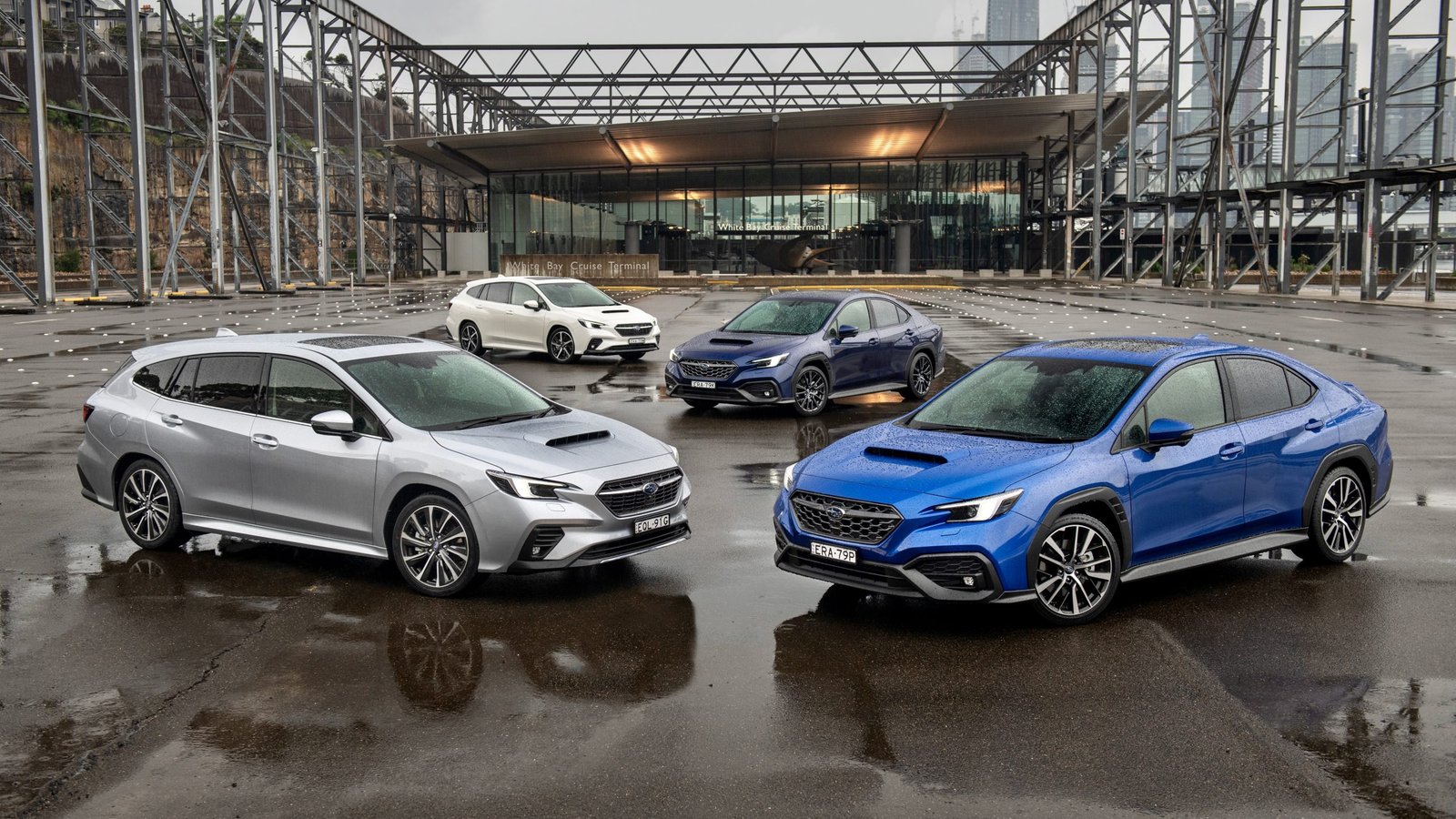
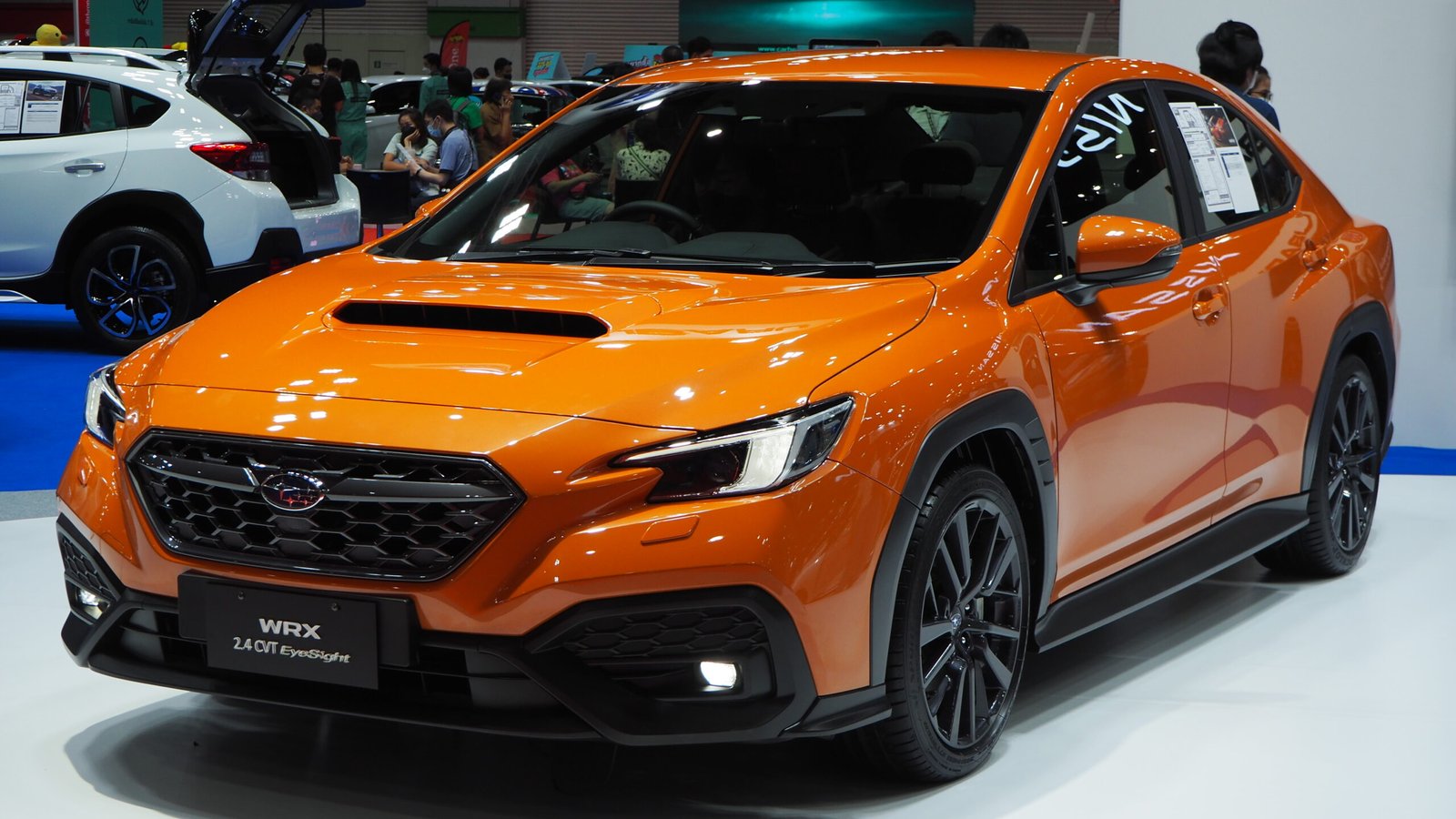
- 2021 Redesign (2022 Model Year): The fifth-generation WRX debuted on the new Subaru Global Platform (SGP), promising enhanced rigidity, safety, and dynamic performance. The exterior design, particularly the black plastic fender cladding, proved divisive among enthusiasts.
- FA24F Powertrain: The new WRX is powered by a larger 2.4-liter FA24F direct-injection turbocharged boxer engine, producing 271 hp and 258 lb-ft of torque. While the horsepower increase is modest, the larger displacement offers a broader torque curve and improved responsiveness. It continues to be offered with a 6-speed manual or an updated Subaru Performance Transmission (SPT) CVT.
- Enhanced Interior and Technology: The interior received a major upgrade, featuring a prominent 11.6-inch STARLINK infotainment touchscreen, improved materials, and advanced driver-assistance systems (EyeSight for SPT models).
- No STi Equivalent: Subaru officially confirmed there would be no STi version of this generation WRX, citing the need to focus resources on future electrified performance vehicles.
Current Model Years and Updates (2024-2025)
- 2024 Model Year: Minor trim level adjustments and package updates. The WRX continues to be a strong contender in the compact performance segment, lauded for its handling, AWD grip, and engaging manual transmission.
- 2025 Model Year: Typically, Subaru introduces minor feature updates, new color options, or special edition trims for mid-cycle years. Expect continued refinement of the existing platform and technology.
WRX History: Special Editions and Limited Runs
Over the years, Subaru has introduced special edition and limited-run models that have captured the hearts of enthusiasts and collectors. These unique variants often feature exclusive design elements, enhanced performance and a level of rarity over standard models.
Subaru WRX STI 22B
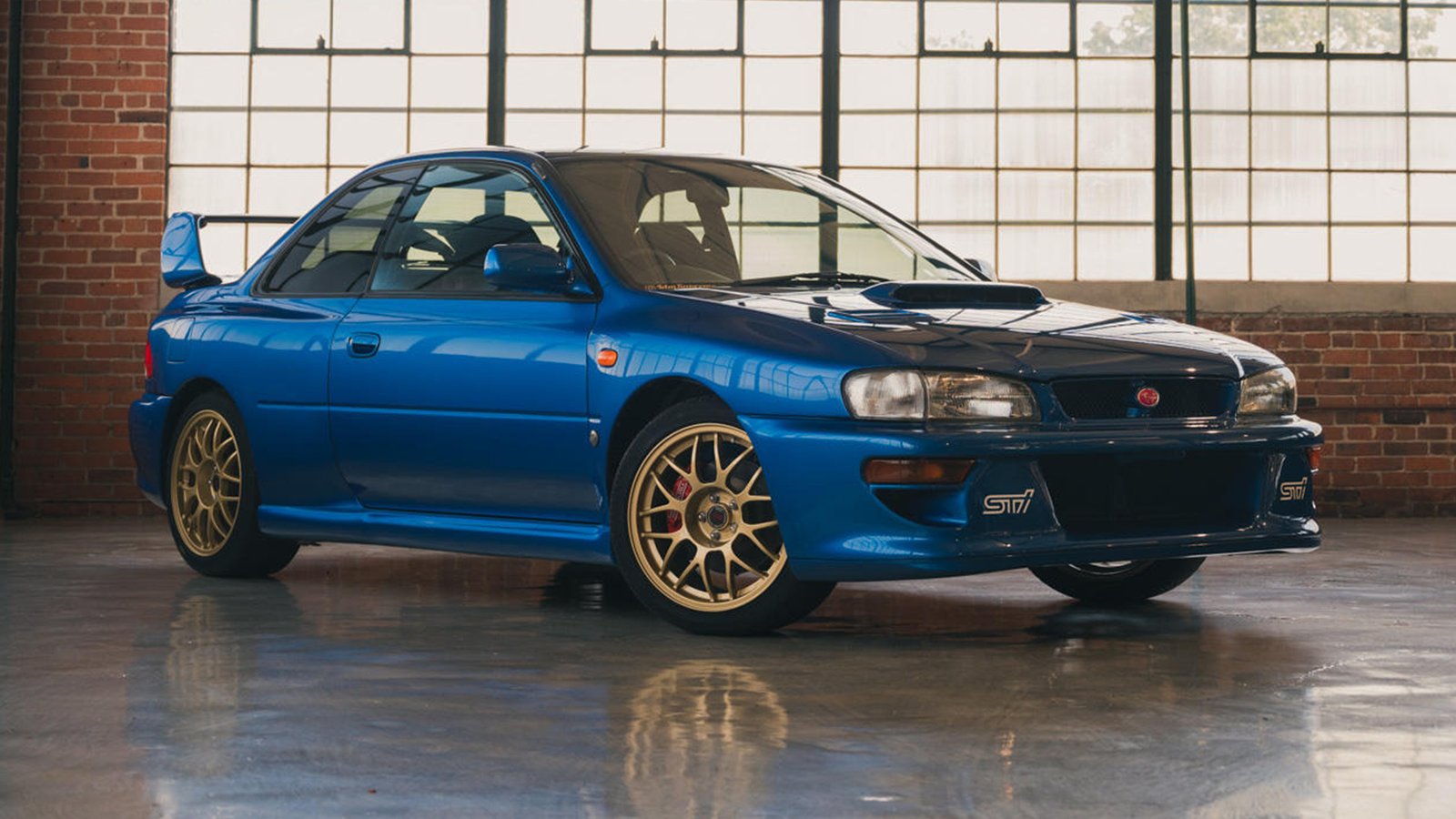
One of the most notable special editions is the Subaru WRX STI 22B. Launched in 1998 to commemorate Subaru’s third consecutive WRC title, the 22B is renowned for its wide-body design, upgraded 2.2-liter engine producing 280 horsepower, and distinctive blue paintwork. Only 424 units were produced, and its scarcity, combined with its performance pedigree, has made it a prized collectible.
WRX STI S209
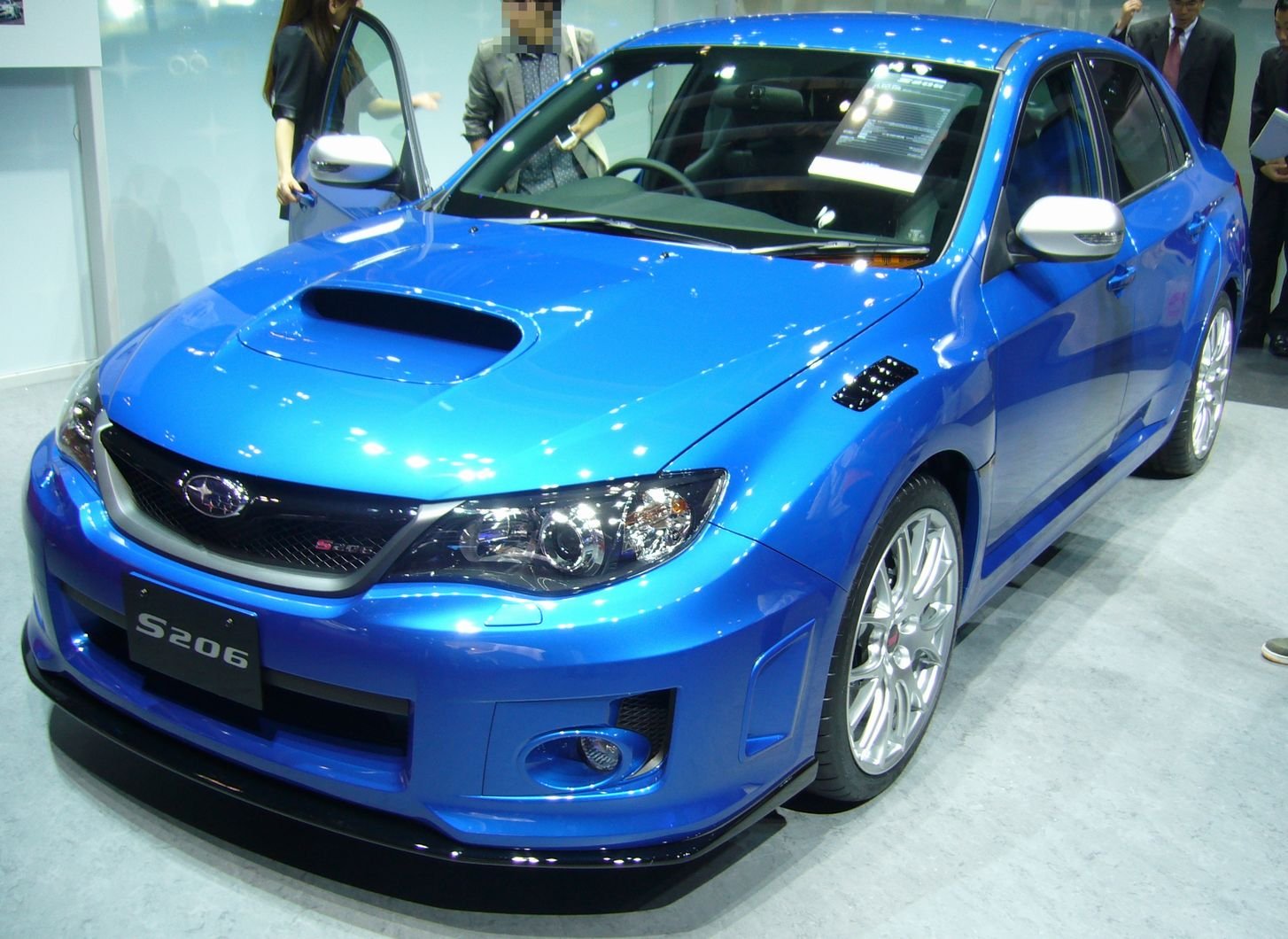
Another limited-run model is the WRX STI S209, released in 2019 exclusively for the U.S. market. The S209 is the first S-Line model to reach American shores. Featuring a 341-horsepower engine, a reinforced chassis, and track-focused enhancements such as adjustable Bilstein dampers and a unique aero package. Its limited production run of 209 units underscores its exclusivity and appeal to performance enthusiasts.
WRX STI Type RA and WRX STI RA-R
The WRX STI Type RA and WRX STI RA-R are additional examples of Subaru’s approach to creating special editions. The Type RA, available in select markets, offers a lighter and more agile driving experience with carbon fiber components and bespoke tuning. The RA-R, limited to just 500 units in Japan, takes it a step further with a stripped-down interior, reduced weight, and a boosted 329-horsepower engine.
These special editions and limited-run models often come with unique badging, colors, and bespoke interiors, contributing to their allure and status as collectibles. Whether it’s through enhanced performance, aesthetic appeal, or rarity, these WRX variants continue to be celebrated by Subaru aficionados and automotive collectors around the world.
WRX History: Impact on Pop Culture and Motorsport
The Subaru Impreza WRX has had a significant impact on both pop culture and the world of motorsport. Its influence can be seen across various media, movies, video games, and car enthusiast communities, making it a cultural icon.
In popular culture, the WRX has been prominently featured in a variety of films and television series. One of the most notable appearances is in “Fast & Furious” franchise, the car’s performance capabilities have been showcased in high-octane scenes. Video games like “Gran Turismo” and “Forza Motorsport” have also played a role in cementing the WRX’s legendary status. These games allow players to drive a WRX, further embedding the car in the minds of enthusiasts around the world.
Beyond the screen, the WRX has cultivated a passionate and dedicated fan base within car enthusiast communities. Clubs and forums dedicated to the WRX provide platforms for owners and fans to share their experiences and racing stories. This community has fostered a sense of camaraderie and has helped to sustain the WRX’s popularity over the years.
In the realm of motorsport, the Subaru Impreza WRX has enjoyed remarkable success, particularly in rallying. The WRX’s rally heritage began in the early 1990s and has since become synonymous with the World Rally Championship (WRC). Its all-wheel-drive system, robust engine, and exceptional handling have made it a formidable competitor on the rally stage. Legendary drivers such as Colin McRae and Petter Solberg have piloted the WRX to numerous victories. This success inspiring a new generation of rally drivers and fans.
The car’s continued success in pop culture and motorsport is a testament to its enduring appeal. The WRX has earned a status as an icon in the automotive world.