
Subaru WRX Engines
An iconic rally bred car with a distinctive boxer engine rumble
The Enduring Heartbeat: A Complete History of Subaru WRX Engines (1992-2026)
The Subaru WRX has carved an indelible niche in automotive history, synonymous with rally-bred performance, all-wheel-drive prowess, and a distinctive boxer engine rumble. From its humble beginnings as a homologation special to its current iteration, the WRX’s engine has been its pulsating heart, evolving through various iterations of the iconic EJ series and the newer FA platforms. This in-depth article chronicles the complete history of Subaru WRX engines, detailing the specifications and innovations that powered this legendary machine from 1992 through to anticipated 2026 models.
First Generation (GC/GF/GM Chassis: 1992-2000) – The Genesis of a Legend
The original Impreza WRX (World Rally eXperimental) debuted exclusively in Japan in 1992, powered by a turbocharged 2.0-liter flat-four. These early engines were foundational, setting the stage for decades of performance.
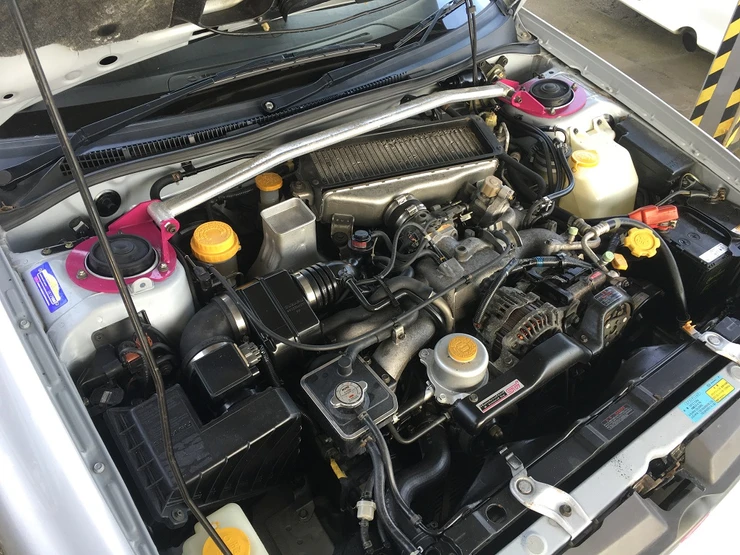
EJ20G (1992-1996 JDM WRX & WRX STI)
- Type: EJ20G, 2.0L DOHC Turbo Flat-4
- Displacement: 1,994 cc (121.7 cu in)
- Bore x Stroke: 92.0 mm x 75.0 mm
- Compression Ratio: Varies, typically 8.0:1 – 8.5:1
- Valvetrain: DOHC, 16-valve
- Fueling: Multi-point electronic fuel injection
- Turbocharger: Mitsubishi TD05-12B or IHI VF series (e.g., VF10, VF12, VF18, VF22 for STI)
- Power Output:
- WRX: 237 hp (177 kW) @ 6,000 rpm, 203 lb-ft (271 Nm) @ 5,000 rpm (initial)
- WRX STI: 247 hp (184 kW) @ 6,500 rpm, 228 lb-ft (309 Nm) @ 3,500 rpm (Version 1)
- Key Features: Closed-deck block on early STI models, hydraulic lifters, forged crankshaft. The STI versions often featured hand-built components, stronger internals, and larger turbos.
EJ20K (1996-1998 JDM WRX & WRX STI)
- Type: EJ20K, 2.0L DOHC Turbo Flat-4
- Displacement: 1,994 cc (121.7 cu in)
- Bore x Stroke: 92.0 mm x 75.0 mm
- Compression Ratio: Varies, generally 8.0:1 – 8.5:1
- Valvetrain: DOHC, 16-valve, with shim-over-bucket valve adjustment (replacing hydraulic lifters).
- Fueling: Multi-point electronic fuel injection
- Turbocharger: IHI VF23 (WRX STI), VF24 (WRX STI Type R), or VF28/29 (WRX)
- Power Output:
- WRX: 208 hp (155 kW) @ 5,600 rpm, 214 lb-ft (290 Nm) @ 4,000 rpm
- WRX STI (Version 3/4): 276 hp (206 kW) @ 6,500 rpm, 260 lb-ft (353 Nm) @ 4,000 rpm (JDM gentleman’s agreement limit)
- Key Features: Introduction of shim-over-bucket lifters for improved high-RPM stability, revised cylinder heads, and often an open-deck block for standard WRX with semi-closed deck for STI.
EJ205 (1998-2000 WRX)
- Type: EJ205, 2.0L DOHC Turbo Flat-4
- Displacement: 1,994 cc (121.7 cu in)
- Bore x Stroke: 92.0 mm x 75.0 mm
- Compression Ratio: 8.0:1 – 8.5:1
- Valvetrain: DOHC, 16-valve, shim-over-bucket
- Fueling: Multi-point electronic fuel injection
- Turbocharger: TD04 (typically on EJ205)
- Power Output: 215 hp (160 kW) @ 5,600 rpm, 214 lb-ft (290 Nm) @ 4,000 rpm
EJ207 (1998-2000 JDM WRX STI – Version 5/6)
- Type: EJ207, 2.0L DOHC Turbo Flat-4
- Displacement: 1,994 cc (121.7 cu in)
- Bore x Stroke: 92.0 mm x 75.0 mm
- Compression Ratio: 8.5:1 – 9.0:1
- Valvetrain: DOHC, 16-valve, shim-over-bucket
- Fueling: Multi-point electronic fuel injection
- Turbocharger: IHI VF28 (Version 5 STI), IHI VF29 (Version 6 STI)
- Power Output: 280 hp (206 kW) @ 6,500 rpm, 260 lb-ft (353 Nm) @ 4,000 rpm
- Key Features: Further refinements to the EJ20 design, including revised pistons, con-rods, and camshafts. STI models continued to feature robust internals designed for sustained high performance.
Second Generation (GD/GG Chassis: 2000-2007) – Global Expansion
This generation, affectionately known as the “Bugeye,” “Blobeye,” and “Hawkeye,” marked the WRX’s official introduction to the North American market and saw significant engine diversification.
EJ205 (2000-2007 JDM WRX, 2002-2005 USDM WRX)
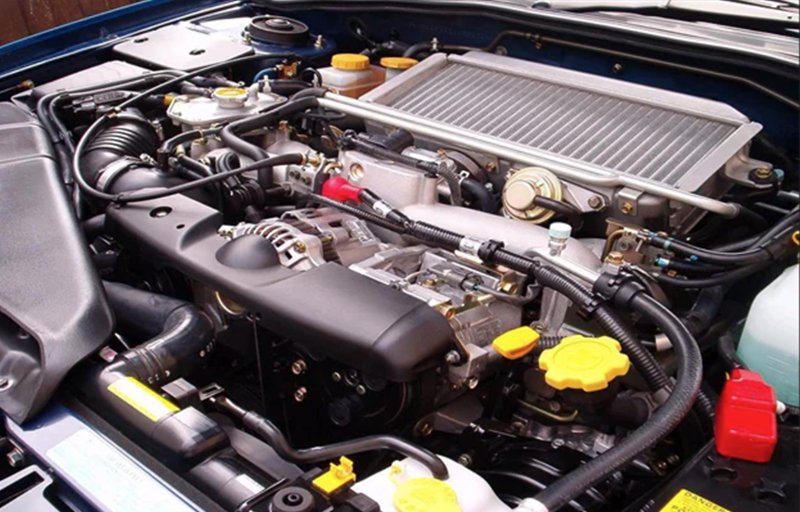
- Type: EJ205, 2.0L DOHC Turbo Flat-4
- Displacement: 1,994 cc (121.7 cu in)
- Bore x Stroke: 92.0 mm x 75.0 mm
- Compression Ratio: 8.0:1 – 9.0:1 (Varies by market)
- Valvetrain: DOHC, 16-valve, AVCS (Active Valve Control System) on JDM models from 2000, eventually on some Euro models. USDM models initially lacked AVCS.
- Fueling: Multi-point electronic fuel injection
- Turbocharger: Mitsubishi TD04L (USDM WRX), IHI VF series (JDM WRX, e.g., VF30, VF34, VF35)
- Power Output:
- USDM WRX (2002-2005): 227 hp (169 kW) @ 6,000 rpm, 217 lb-ft (294 Nm) @ 4,000 rpm
- JDM WRX (2000-2007): 250 hp (184 kW) – 280 hp (206 kW), 246 lb-ft (334 Nm) – 253 lb-ft (343 Nm)
- Key Features: First widespread use of the EJ205. USDM versions were detuned with a smaller turbo and different ECU mapping compared to JDM counterparts. JDM versions benefited from AVCS, providing variable valve timing for improved power and response.
EJ207 (2000-2007 JDM WRX STI, European WRX STI)
- Type: EJ207, 2.0L DOHC Turbo Flat-4
- Displacement: 1,994 cc (121.7 cu in)
- Bore x Stroke: 92.0 mm x 75.0 mm
- Compression Ratio: 8.0:1 – 8.5:1
- Valvetrain: DOHC, 16-valve, Dual AVCS (Variable valve timing on both intake and exhaust camshafts) from 2001 (Version 7 STI onwards).
- Fueling: Multi-point electronic fuel injection
- Turbocharger: IHI VF30 (Version 7 STI), VF34 (Spec C), VF36/37 (Twin-scroll for JDM STI)
- Power Output:
- JDM WRX STI: 280 hp (206 kW) – 320 hp (235 kW) (Spec C), 289 lb-ft (392 Nm) – 318 lb-ft (431 Nm)
- Key Features: Forged pistons and connecting rods, stronger crankshaft, semi-closed deck block, larger intercooler, and the introduction of Dual AVCS for superior power delivery and broader torque curve. The JDM STI engines were significantly more advanced than the standard WRX.
EJ255 (2006-2007 USDM WRX)
- Type: EJ255, 2.5L DOHC Turbo Flat-4
- Displacement: 2,457 cc (150.0 cu in)
- Bore x Stroke: 99.5 mm x 79.0 mm
- Compression Ratio: 8.2:1
- Valvetrain: DOHC, 16-valve, AVCS (Intake only)
- Fueling: Multi-point electronic fuel injection
- Turbocharger: Mitsubishi TD04L-19T
- Power Output: 224 hp (167 kW) @ 5,600 rpm, 226 lb-ft (306 Nm) @ 3,600 rpm
- Key Features: Introduced in the USDM WRX for 2006, replacing the EJ205. This larger displacement engine offered more accessible torque at lower RPMs, improving daily drivability. It shared many components with the EJ257 but had lower compression and a smaller turbo.
EJ257 (2004-2007 USDM WRX STI)
- Type: EJ257, 2.5L DOHC Turbo Flat-4
- Displacement: 2,457 cc (150.0 cu in)
- Bore x Stroke: 99.5 mm x 79.0 mm
- Compression Ratio: 8.2:1
- Valvetrain: DOHC, 16-valve, Dual AVCS (Intake and Exhaust)
- Fueling: Multi-point electronic fuel injection
- Turbocharger: IHI VF39 (2004-2006), IHI VF43 (2007)
- Power Output: 300 hp (224 kW) @ 6,000 rpm, 300 lb-ft (407 Nm) @ 4,000 rpm
- Key Features: The first 2.5L STI engine for the USDM market. Featured forged connecting rods, hypereutectic cast pistons, a semi-closed deck block, and a larger turbo than the EJ255. Dual AVCS provided excellent power delivery throughout the rev range. This engine became synonymous with the USDM STI for almost two decades.
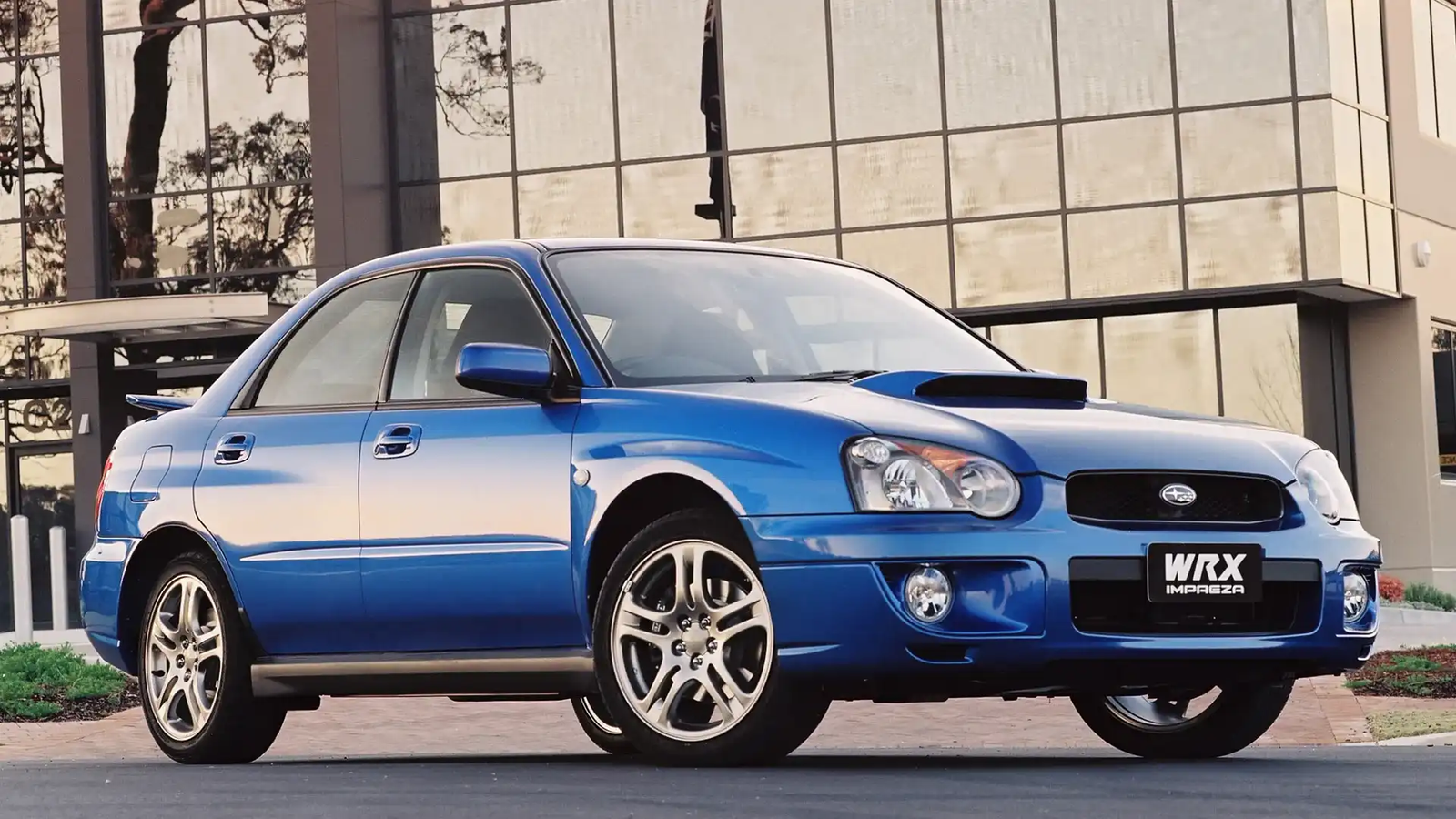
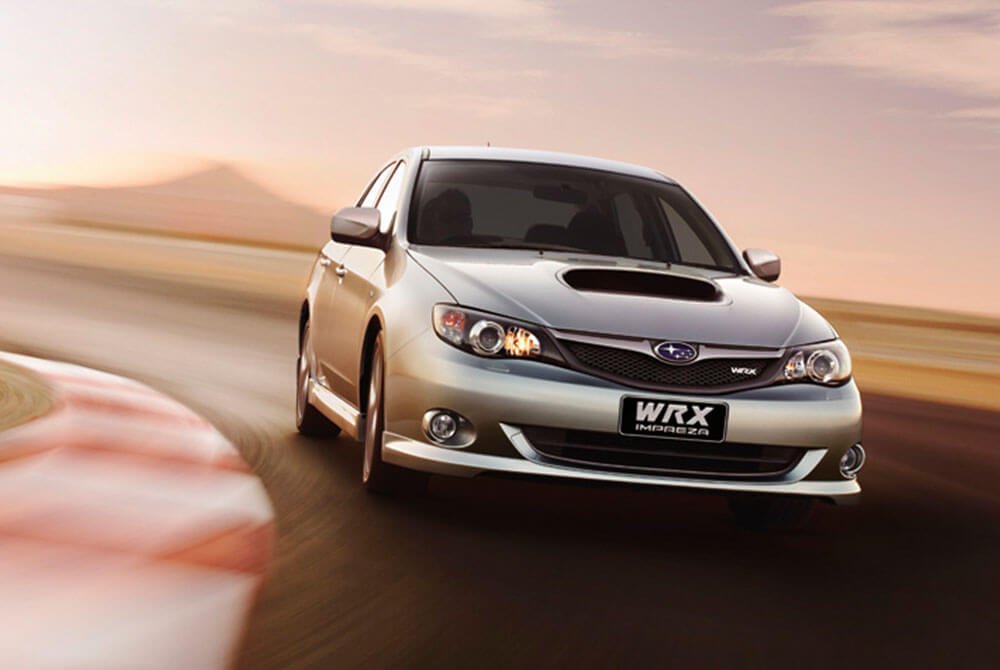
Third Generation (GE/GH/GR/GV Chassis: 2007-2014) – Hatchback Era & Refinement
This generation saw the WRX and STI diverge slightly in body styles and continued to refine the EJ engine family.
EJ205 (2007-2014 JDM WRX)
- Type: EJ205, 2.0L DOHC Turbo Flat-4
- Displacement: 1,994 cc (121.7 cu in)
- Bore x Stroke: 92.0 mm x 75.0 mm
- Compression Ratio: 8.0:1 – 9.0:1
- Valvetrain: DOHC, 16-valve, AVCS (Intake)
- Fueling: Multi-point electronic fuel injection
- Turbocharger: IHI VF series (e.g., VF46, VF52)
- Power Output: 250 hp (184 kW) – 308 hp (226 kW) (S-GT, A-Line)
- Key Features: Continued to be the workhorse for the JDM WRX, evolving with improved turbochargers and ECU tuning.
EJ255 (2008-2014 USDM WRX)
- Type: EJ255, 2.5L DOHC Turbo Flat-4
- Displacement: 2,457 cc (150.0 cu in)
- Bore x Stroke: 99.5 mm x 79.0 mm
- Compression Ratio: 8.2:1 (2008-2010), 8.4:1 (2011-2014)
- Valvetrain: DOHC, 16-valve, AVCS (Intake)
- Fueling: Multi-point electronic fuel injection
- Turbocharger: Mitsubishi TD04L (2008-2010), IHI VF52 (2011-2014)
- Power Output:
- 2008-2010: 224 hp (167 kW) @ 5,200 rpm, 226 lb-ft (306 Nm) @ 2,800 rpm
- 2011-2014: 265 hp (198 kW) @ 6,000 rpm, 244 lb-ft (331 Nm) @ 4,000 rpm (with the VF52, boost was increased for better response)
- Key Features: Initially, the 2008 WRX was perceived as softer, sharing the narrower body with the Impreza. However, Subaru quickly responded by giving the 2009 WRX more power and a stiffer chassis. The 2011-2014 models received the wide-body treatment and the more potent IHI VF52 turbo, transforming its performance and appeal.
EJ257 (2008-2014 USDM WRX STI)
- Type: EJ257, 2.5L DOHC Turbo Flat-4
- Displacement: 2,457 cc (150.0 cu in)
- Bore x Stroke: 99.5 mm x 79.0 mm
- Compression Ratio: 8.2:1
- Valvetrain: DOHC, 16-valve, Dual AVCS (Intake and Exhaust)
- Fueling: Multi-point electronic fuel injection
- Turbocharger: IHI VF48
- Power Output: 305 hp (227 kW) @ 6,000 rpm, 290 lb-ft (393 Nm) @ 4,000 rpm
- Key Features: Continued the legacy of the USDM STI engine. While power figures remained largely consistent, internal refinements and ECU tuning were ongoing. The EJ257 for this generation was known for its robust performance but also its susceptibility to ringland failure on early models if not properly tuned or maintained.
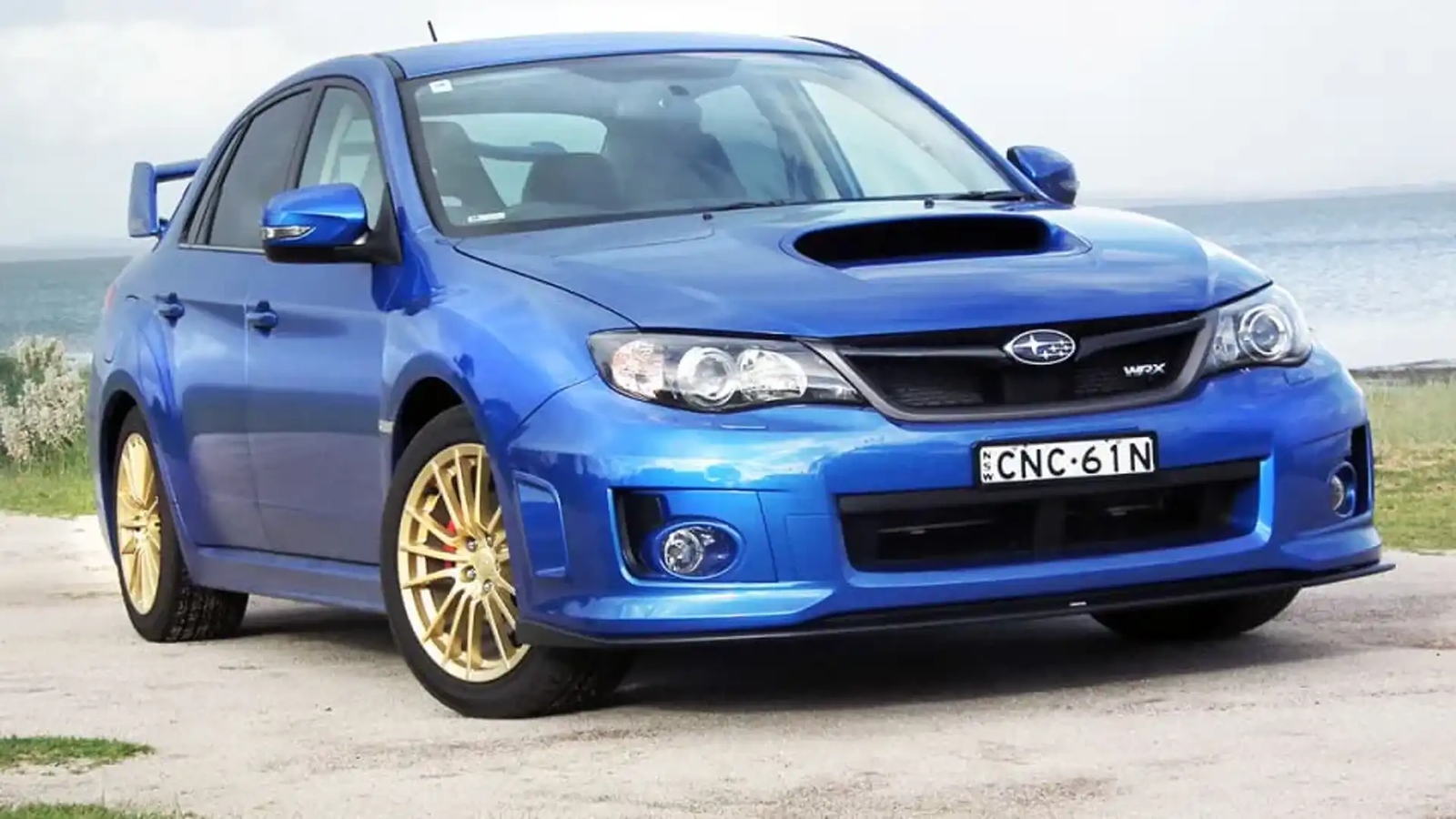
Fourth Generation (VA Chassis: 2015-2021) – The FA Era Begins for WRX
This generation marked a significant divergence: the standard WRX adopted a new direct-injection FA engine, while the WRX STI proudly carried on with the venerable EJ257.
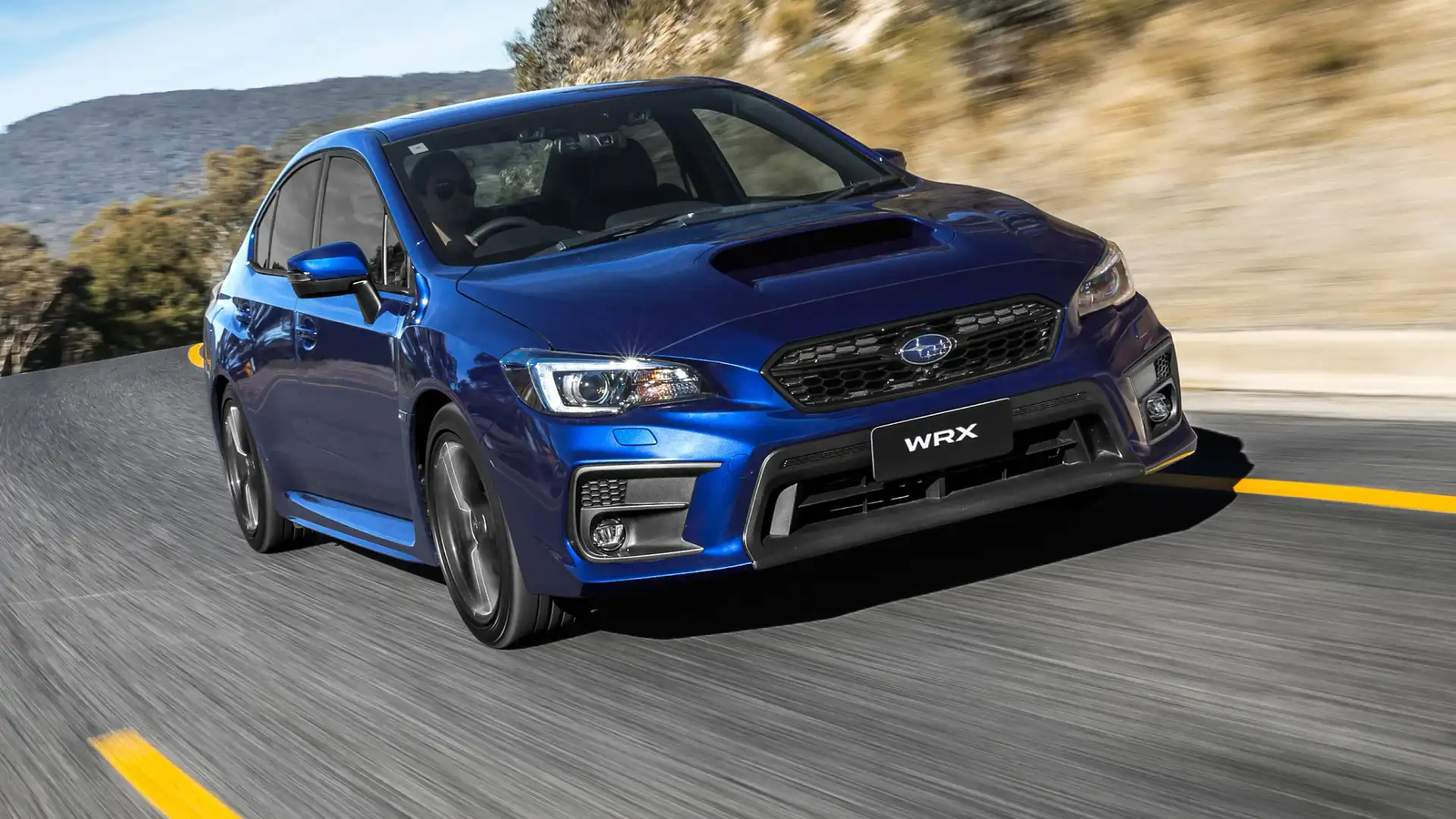
FA20DIT (2015-2021 WRX)
- Type: FA20DIT, 2.0L DOHC Direct-Injection Turbo Flat-4
- Displacement: 1,998 cc (121.9 cu in)
- Bore x Stroke: 86.0 mm x 86.0 mm (Square architecture)
- Compression Ratio: 10.6:1
- Valvetrain: DOHC, 16-valve, Dual AVCS (Intake and Exhaust)
- Fueling: Direct Injection (DI)
- Turbocharger: Twin-scroll, BorgWarner FHI (Subaru-specific)
- Power Output: 268 hp (200 kW) @ 5,600 rpm, 258 lb-ft (350 Nm) @ 2,000-5,200 rpm
- Key Features: This was a revolutionary change for the WRX. Direct injection dramatically improved fuel efficiency and allowed for higher compression, while the twin-scroll turbocharger minimized lag and provided a very broad, flat torque curve. The FA20DIT was a new-generation Subaru boxer engine, designed for efficiency and modern emissions standards while still delivering performance.
EJ257 (2015-2021 WRX STI)
- Type: EJ257, 2.5L DOHC Turbo Flat-4
- Displacement: 2,457 cc (150.0 cu in)
- Bore x Stroke: 99.5 mm x 79.0 mm
- Compression Ratio: 8.2:1
- Valvetrain: DOHC, 16-valve, Dual AVCS (Intake and Exhaust)
- Fueling: Multi-point electronic fuel injection
- Turbocharger: IHI VF48
- Power Output:
- 2015-2017: 305 hp (227 kW) @ 6,000 rpm, 290 lb-ft (393 Nm) @ 4,000 rpm
- 2018-2021: 310 hp (231 kW) @ 6,000 rpm, 290 lb-ft (393 Nm) @ 4,000 rpm
- Key Features: Despite the standard WRX moving to the FA platform, the STI retained the EJ257. Subtle revisions were made over the years, including improved airflow, stronger pistons, and revised ECU tuning for the 2018 model year, boosting power slightly to 310 hp. This engine, while older, was celebrated by purists for its raw character and proven track record in motorsport, albeit still using port injection.
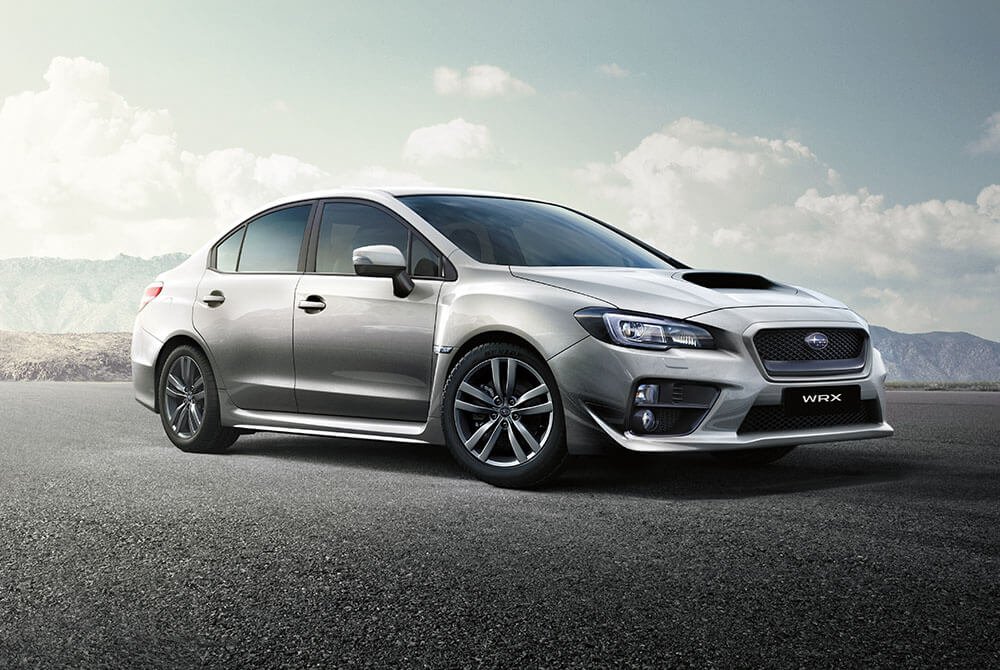
Fifth Generation (VB Chassis: 2022-Current/2026) – The Next Evolution & STI’s Hiatus
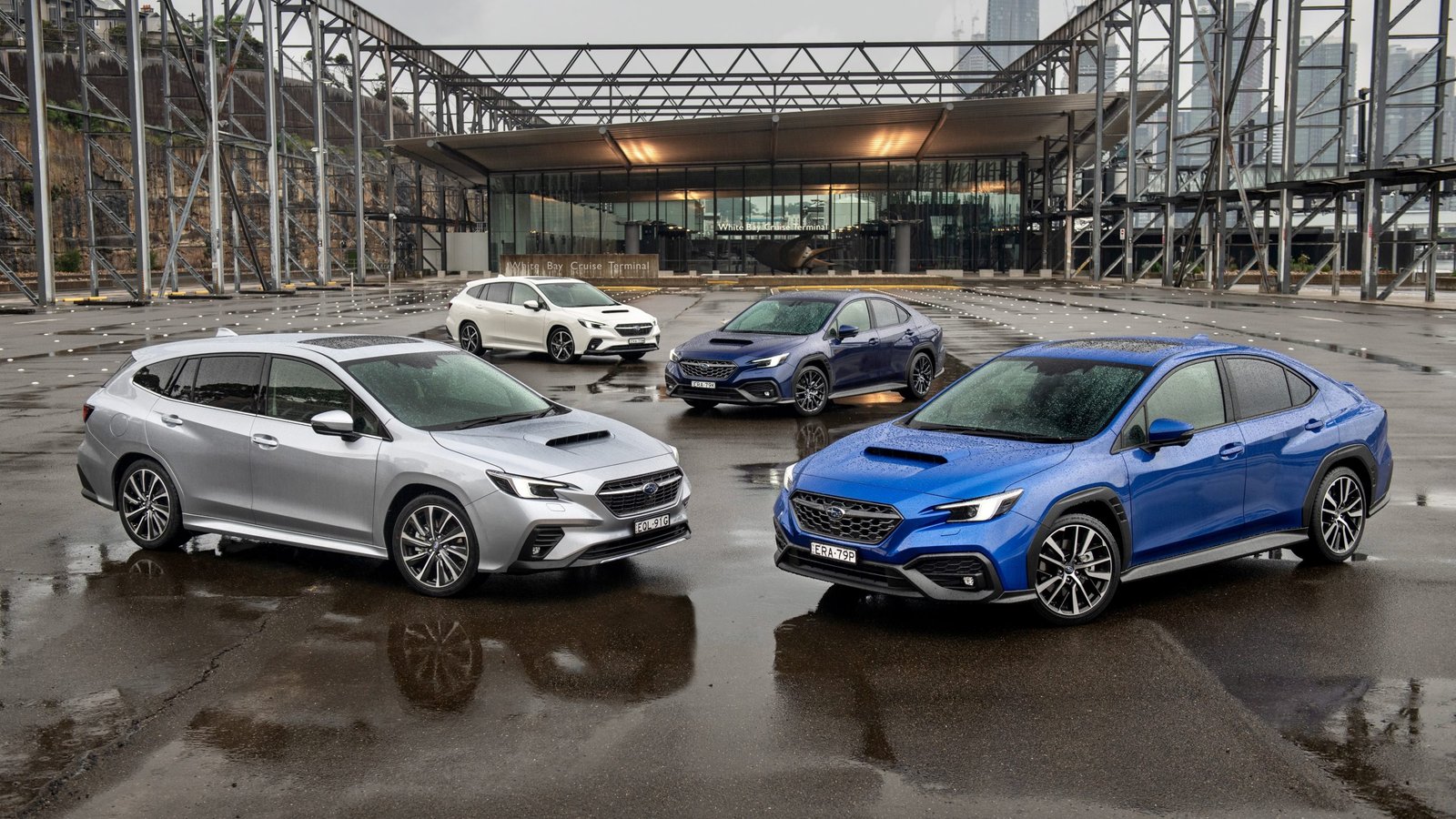
The latest generation of the WRX brings a new, larger FA engine, while the WRX STI’s future remains uncertain, with no current production model.
FA24F (2022-Current WRX)
- Type: FA24F, 2.4L DOHC Direct-Injection Turbo Flat-4
- Displacement: 2,387 cc (145.7 cu in)
- Bore x Stroke: 94.0 mm x 86.0 mm
- Compression Ratio: 10.6:1
- Valvetrain: DOHC, 16-valve, Dual AVCS (Intake and Exhaust)
- Fueling: Direct Injection (DI)
- Turbocharger: Single, twin-scroll BorgWarner FHI
- Power Output: 271 hp (202 kW) @ 5,600 rpm, 258 lb-ft (350 Nm) @ 2,000-5,200 rpm
- Key Features: This engine is a larger displacement variant of the FA20DIT, also found in the Ascent, Legacy XT, and Outback XT. While peak horsepower saw only a modest increase of 3 hp over the FA20DIT, the key benefit is a broader and flatter torque curve, improving responsiveness and reducing turbo lag. The larger displacement allows for greater tuning potential and improved thermal management. This engine is expected to power the WRX through at least the 2026 model year.
WRX STI (Post-2021)
- As of 2024, Subaru has announced that there will be no new gasoline-powered WRX STI for the current generation, citing a focus on future electrification. While a new STI model may emerge in the future with hybrid or electric powertrains, the iconic EJ257 and the traditional WRX STI as we knew it concluded its run with the VA chassis in 2021.
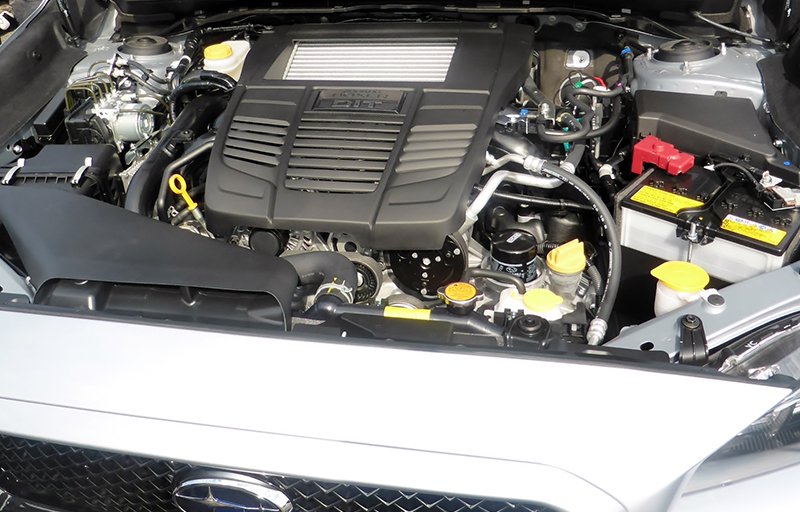
Explore the different WRX Models Produced
From the classic legends to the latest models on the block, WRX Universe is your gateway to exploring the diverse lineup of WRX models. We’ve got you covered with information, history and specifications.
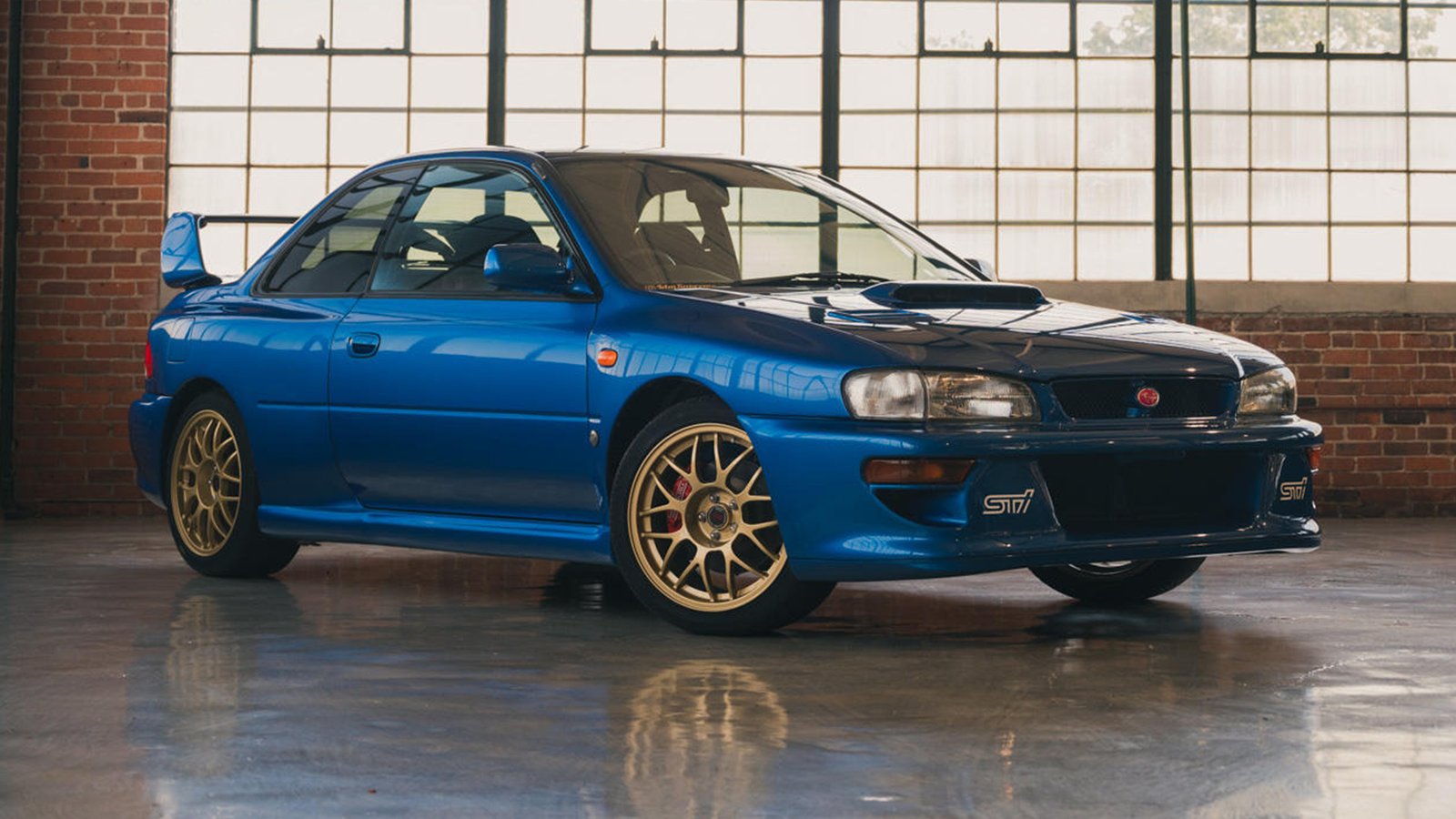
Subaru WRX
The Subaru WRX, a name synonymous with high performance and rally heritage, has carved out a unique niche in the automotive world.