
Subaru WRX Models
3rd Generation (2007 – 2014 GE/GH & GR/GV)
The Third Generation Subaru WRX: A Comprehensive History (2007-2014)
The third generation of the Subaru Impreza WRX, internally designated GE for the WRX Hatchback ‘Narrow Body’ and GH for the WRX sedan ‘Narrow body’, STI and WRX ‘Wide body’ models designated GR for the hatchback and GV for the sedan, represented a significant departure and evolution for the iconic performance car. Spanning model years 2008 to 2014 (introduced in late 2007), this era saw Subaru navigate market demands, address criticisms, and ultimately deliver one of the most beloved and capable iterations of the WRX and WRX STI.
Introduction: A Bold New Direction
Following the GD/GG “Blobeye” and “Hawkeye” generations, Subaru faced the challenge of evolving the WRX while maintaining its rally-bred heritage. The third generation, launched for the 2008 model year, introduced a larger, more refined platform. Crucially, it initially arrived exclusively as a five-door hatchback, a move that surprised and, in some cases, alienated traditional sedan enthusiasts. This generation also marked a strategic shift towards a more mature and comfortable daily driver while still retaining formidable performance capabilities.
Marketing strategies during this period emphasized the WRX’s versatility and performance pedigree. Advertisements and promotional campaigns highlighted the car’s rally-inspired heritage while showcasing its suitability for everyday use. This duality of performance and practicality became a cornerstone of the WRX’s identity, helping to solidify its reputation in both the automotive press and among consumers.
The expansion of the WRX lineup during the third generation was a calculated effort to enhance its market presence. By addressing diverse consumer needs and preferences, Subaru successfully positioned the WRX as a more accessible yet still highly desirable option within the performance car segment. This approach not only boosted sales but also strengthened the brand’s standing in the competitive automotive market.
Initial Release: Narrow body Era (2007-2009 Model Years)
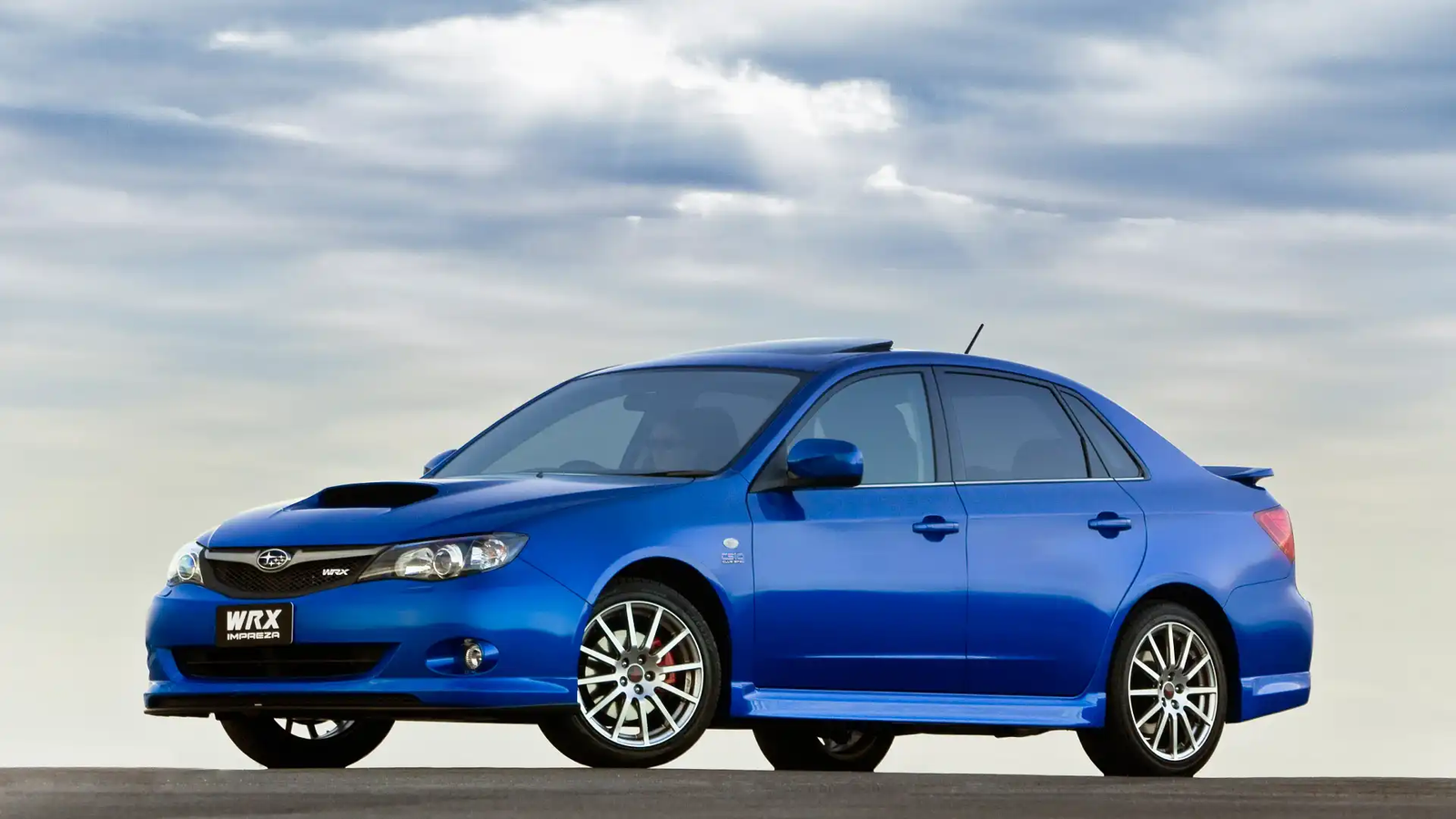
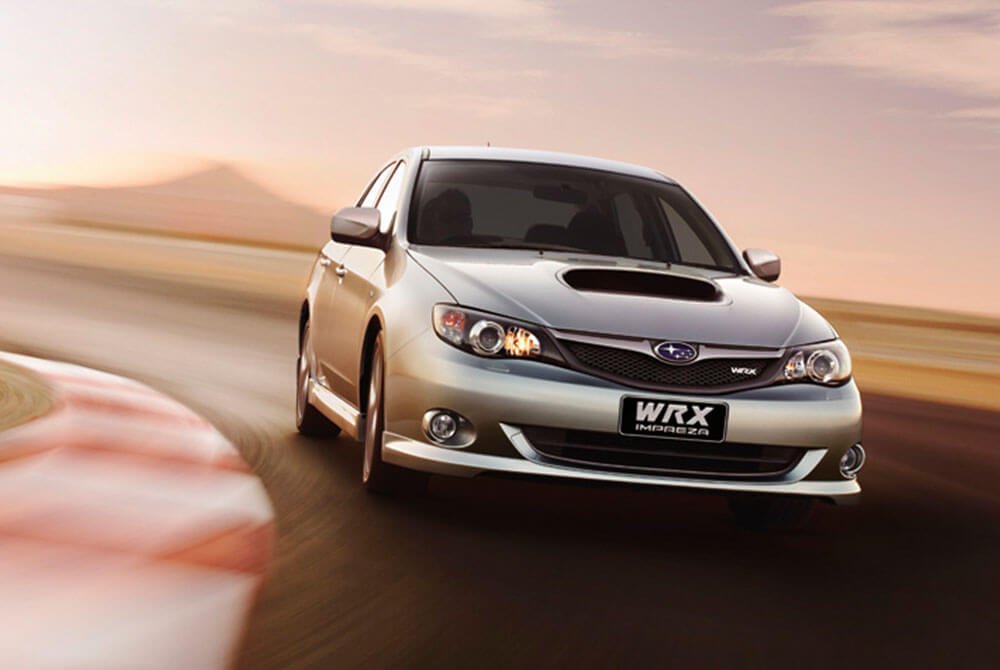
The 2008 model year (released in late 2007) marked the debut of the GE hatchback and GH sedan chassis (released in 2008). Subaru aimed for a more sophisticated ride, which initially led to some criticism regarding the standard WRX’s perceived softening.
2007 – 2008 Subaru WRX (GE/GH)
- Engine: EJ255 2.5-liter turbocharged flat-four, producing 224 hp and 226 lb-ft of torque. This was a slight decrease in horsepower compared to the outgoing “Hawkeye” WRX, though torque remained similar.
- Drivetrain: Symmetrical All-Wheel Drive with a 5-speed manual transmission.
- Chassis & Suspension: The suspension setup was softer than its predecessor, contributing to a more compliant ride but also leading to concerns about reduced raw performance feel. It featured a double-wishbone rear suspension, a first for the WRX, improving ride quality and handling stability.
- Styling: Initially, the standard WRX featured a “narrow-body” design, lacking the wider fenders of the STI. It was exclusively available as a five-door hatchback.
- Brakes: Ventilated front and solid rear discs.
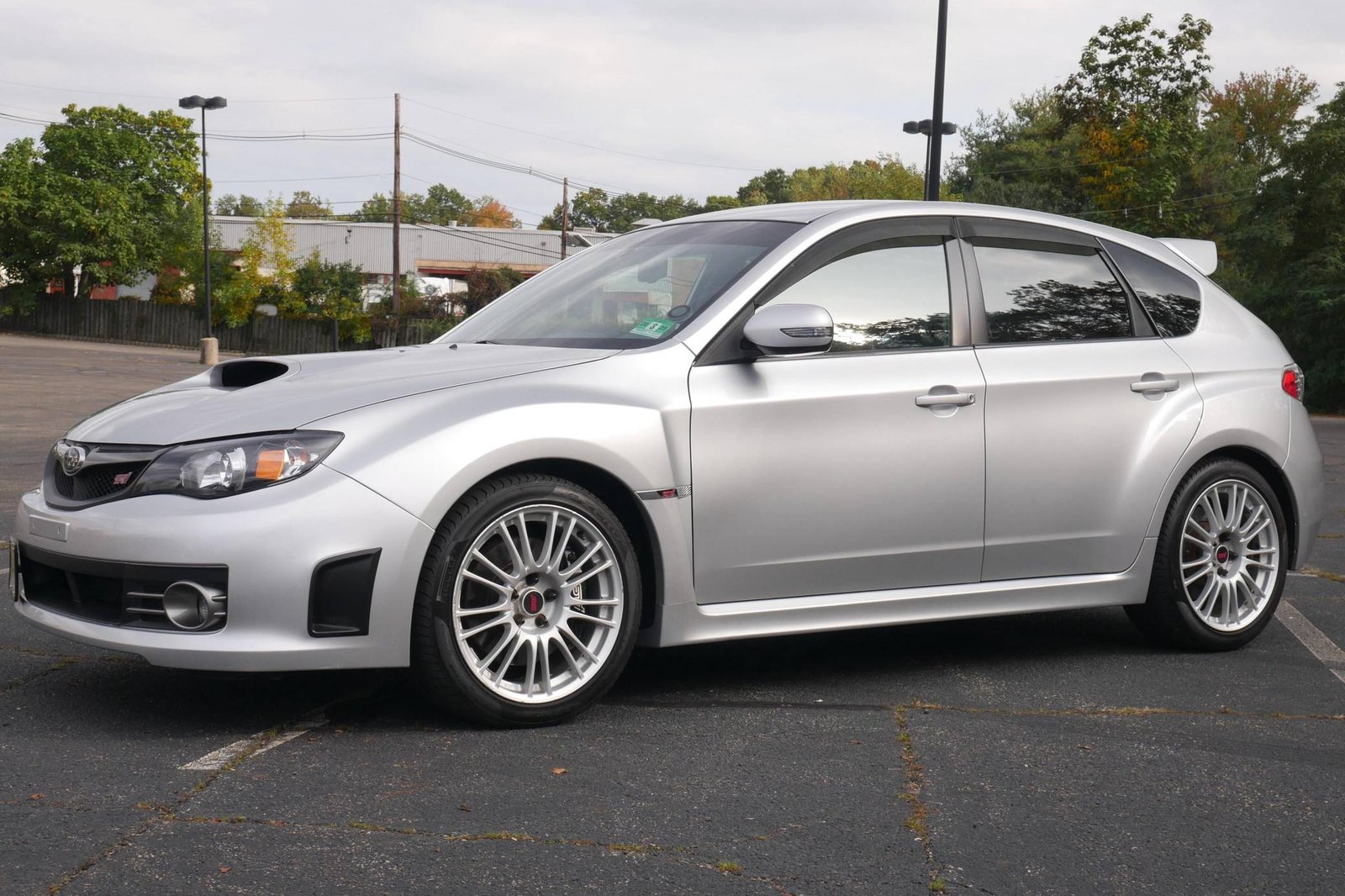
2008 Subaru WRX STI ‘Hatch back’ (GR)
The STI, however, launched with an uncompromised performance focus, immediately distinguishing itself from the standard WRX.
- Engine: EJ257 2.5-liter turbocharged flat-four, generating 305 hp and 290 lb-ft of torque. It featured Subaru’s Dual Active Valve Control System (Dual AVCS) for improved power delivery across the rev range.
- Drivetrain: 6-speed manual transmission with Subaru’s Driver-Controlled Center Differential (DCCD) symmetrical All-Wheel Drive system, offering manual and automatic differential locking modes.
- Chassis & Suspension: Significantly stiffer and more aggressively tuned than the standard WRX, featuring inverted struts, aluminum front lower control arms, and a wider track. It also included Subaru’s SI-DRIVE system, allowing the driver to select different engine maps.
- Styling: The STI immediately debuted with a wide-body design, featuring flared fenders, a more aggressive front fascia, and a prominent rear wing (standard). It was also exclusively a five-door hatchback in its initial release.
- Brakes: Brembo performance braking system with 4-piston calipers in front and 2-piston calipers in the rear.
Addressing Criticisms: Performance Upgrades and the Sedan’s Return
Subaru quickly responded to market feedback, particularly regarding the standard WRX’s performance and the absence of a sedan option.
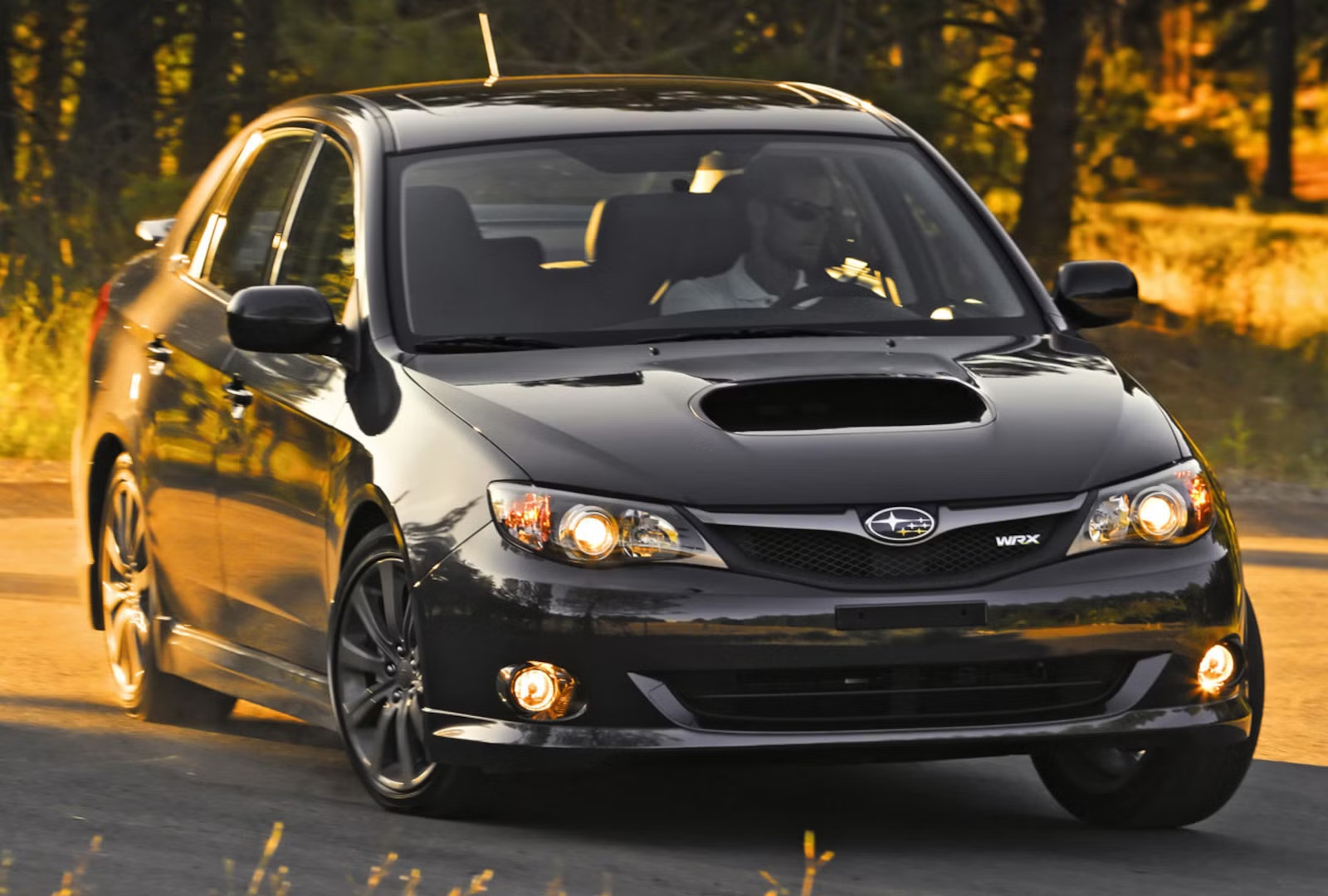
2009 Subaru WRX (GE/GH)
- Minor refinements were made, but the core specifications remained largely unchanged from the 2008 model.
2009 – 2010 Subaru WRX (GE/GH) – The Game Changer
This model year marked a significant turning point for the standard WRX, addressing many of the initial criticisms head-on.
- Engine: Power was significantly boosted to 265 hp and 244 lb-ft of torque, largely due to a larger turbocharger, revised ECU tuning, and a freer-flowing exhaust.
- Chassis & Suspension: Suspension was stiffened, and larger anti-roll bars were fitted, drastically improving handling and reducing body roll.
- Wheels & Tires: Wider 17-inch wheels and higher-performance summer tires became standard.
- Brakes: Upgraded to 4-wheel ventilated disc brakes.
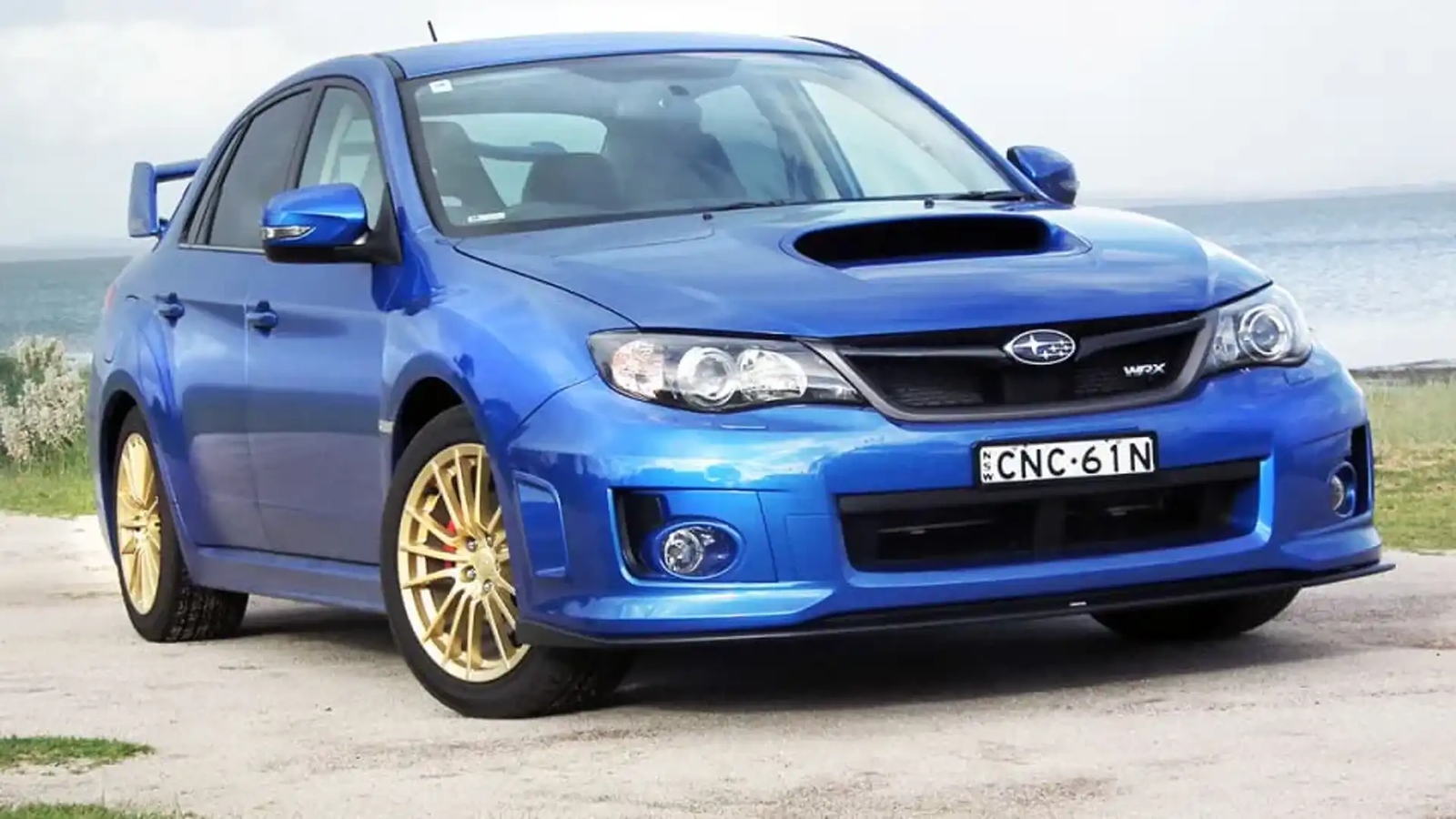
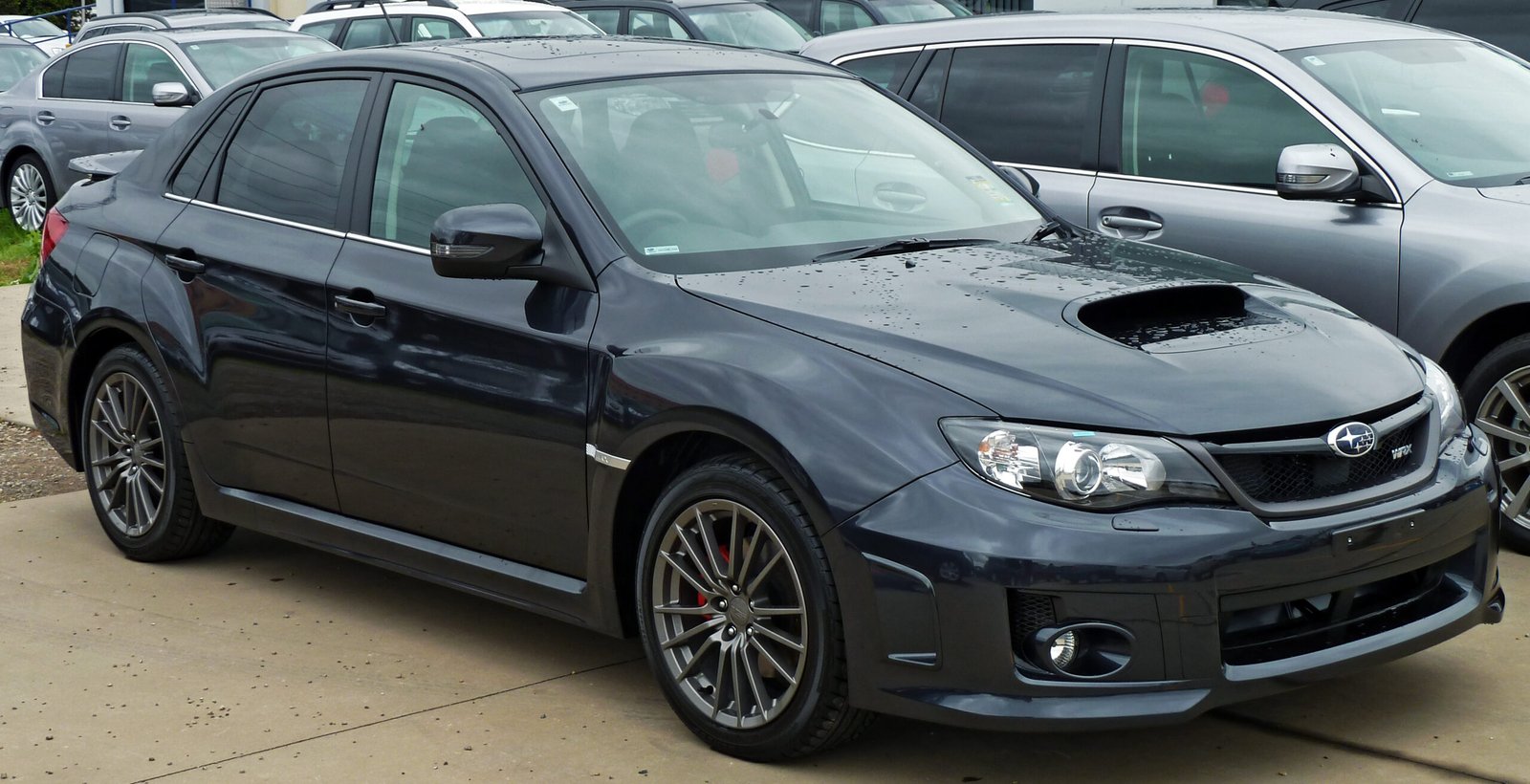
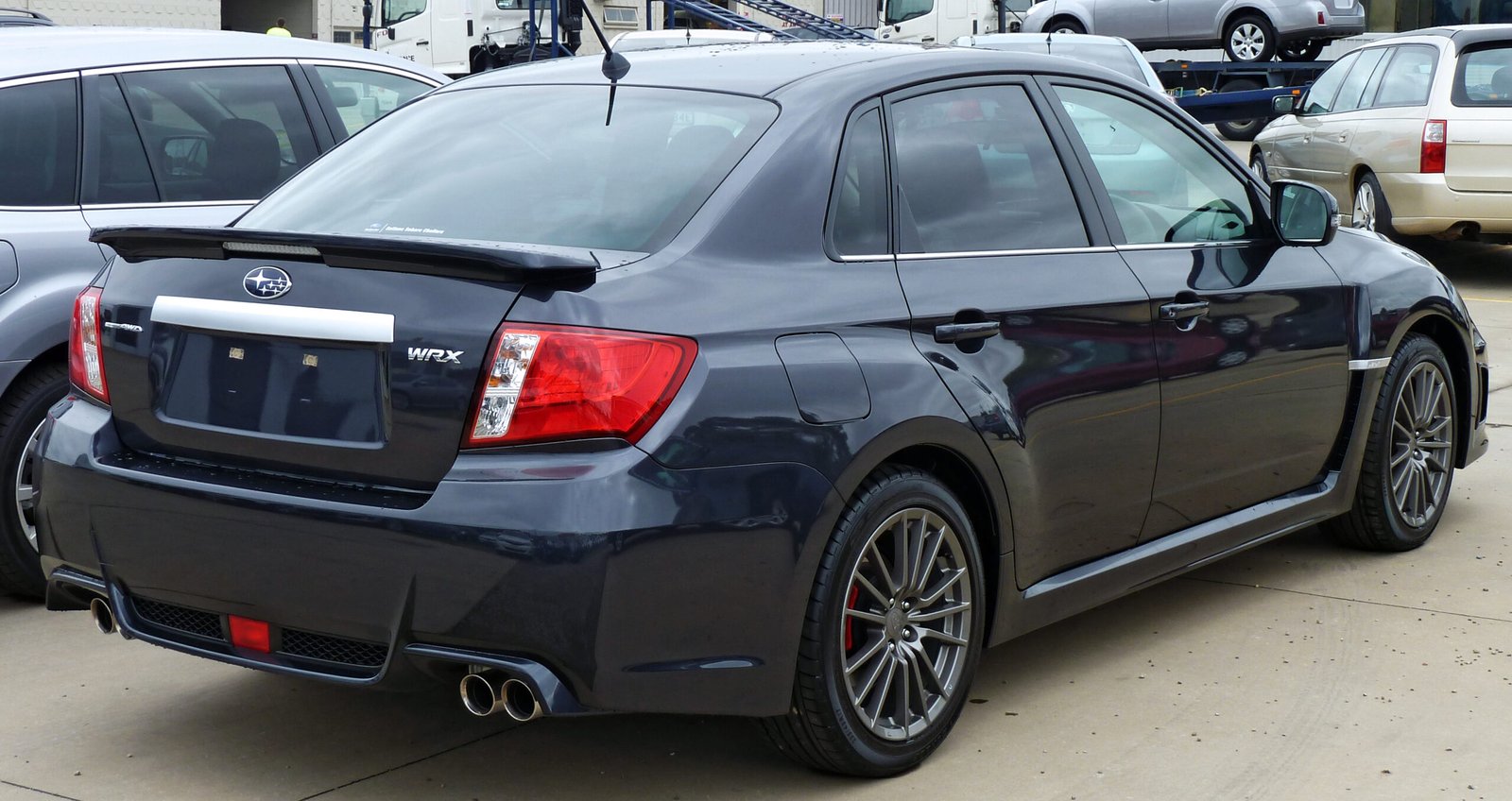
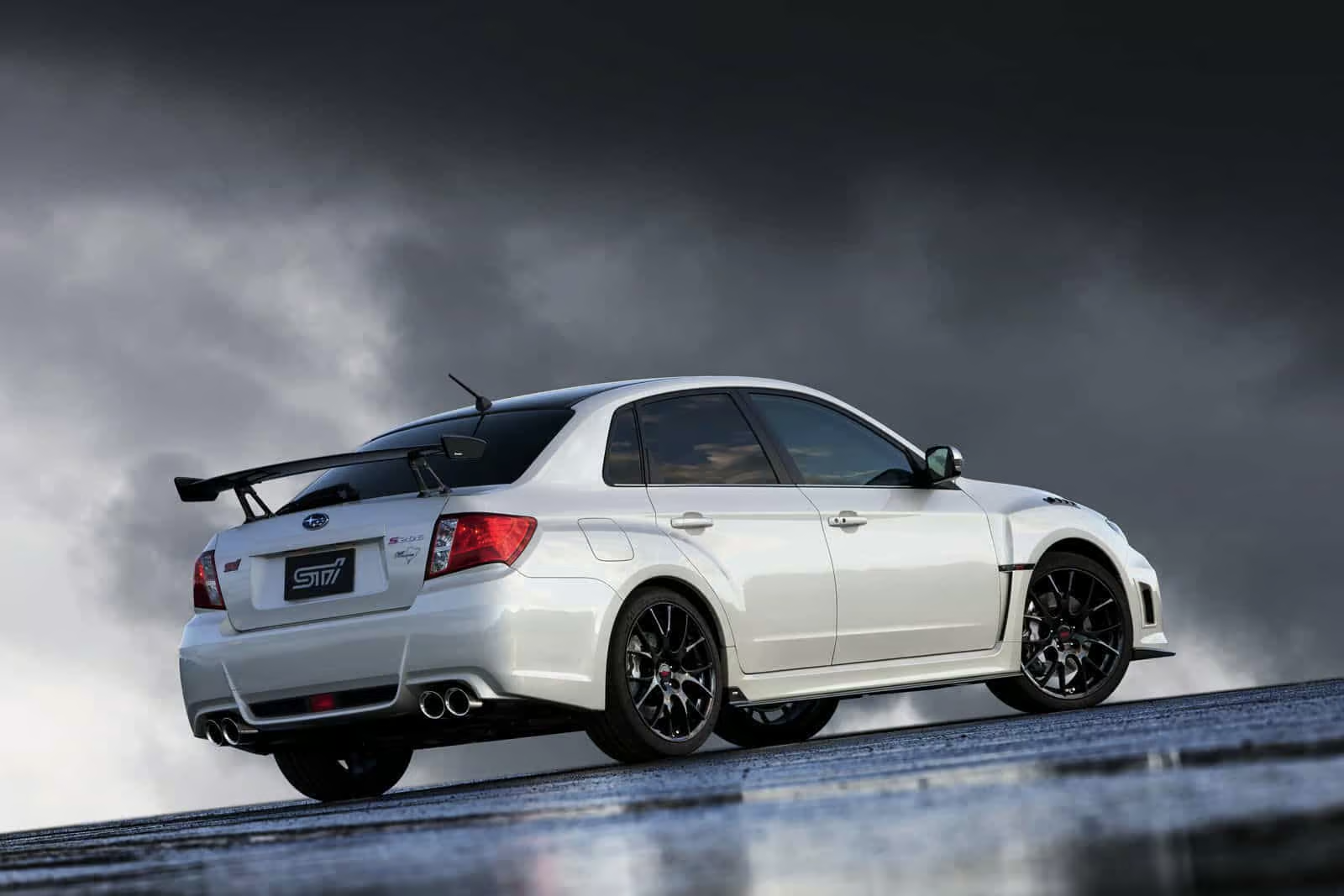
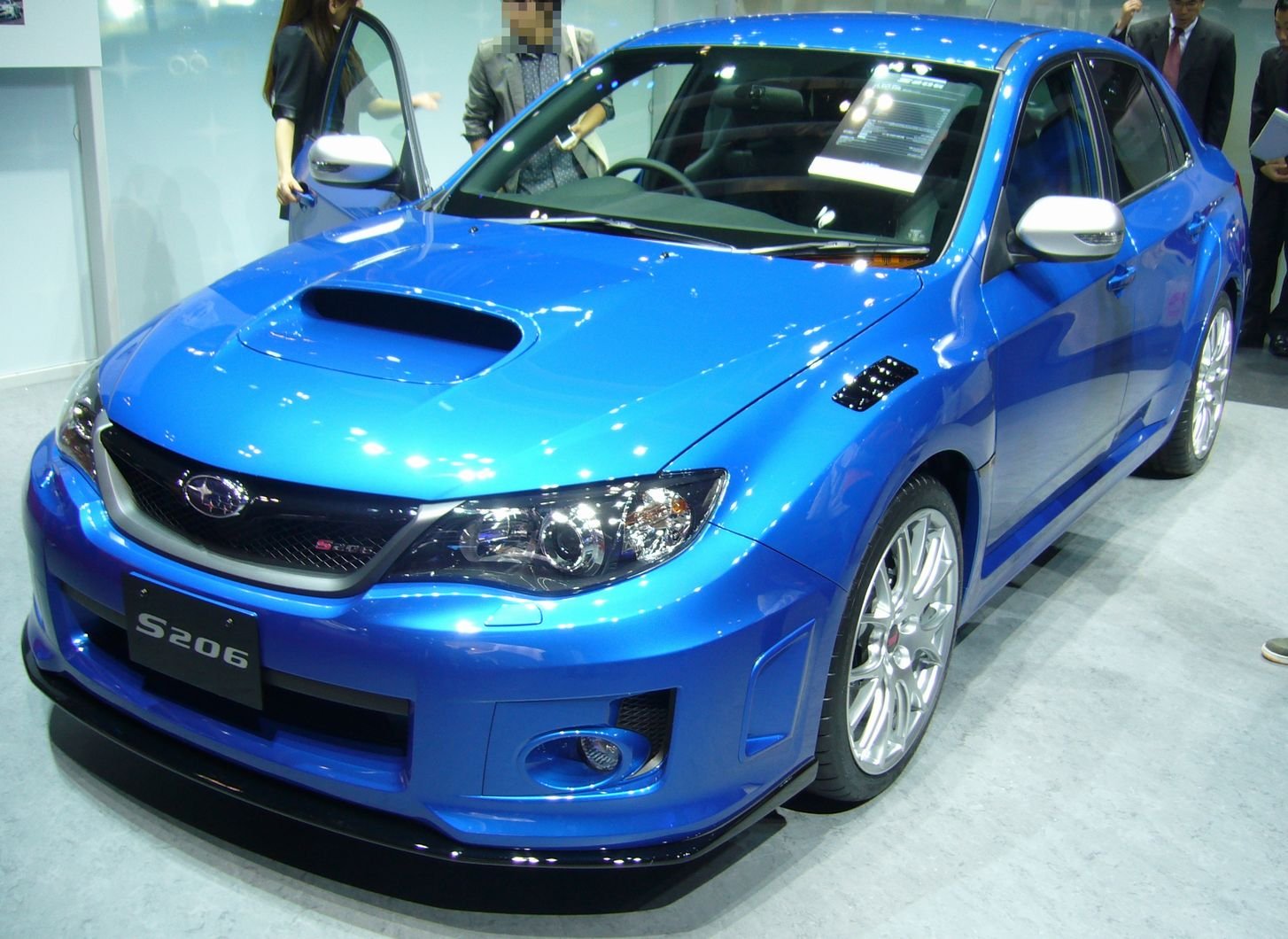
2011 Subaru WRX & WRX STI (GR/GV) – The Widebody Sedan Returns
This was arguably the most impactful year for the third generation, as Subaru brought back the iconic sedan body style and standardized the widebody aesthetic across the WRX line.
- Body Styles: Both the WRX and WRX STI became available as a four-door sedan (GV) in addition to the five-door hatchback (GR).
- WRX Styling: The standard WRX adopted the wide-body styling previously reserved for the STI, giving it a much more aggressive and muscular presence.
- WRX STI Styling: The STI received a restyled front bumper, grille, and fog light surrounds. The sedan STI also featured a massive signature rear wing.
- WRX STI Suspension: The STI received further suspension revisions, including stiffer springs, revised damping, and lighter aluminum rear lower control arms, aiming for even sharper handling.
2012 – 2014 Subaru WRX & WRX STI (GR/GV)
For the final years of the third generation, Subaru largely maintained the successful formula established in 2011, focusing on minor cosmetic updates, trim variations, and special editions.
- 2012: Minor interior updates, including a new audio system and optional navigation.
- 2013: Limited Edition models for both WRX and STI offered premium features like leather upholstery and navigation.
- 2014 (Final Model Year): No significant changes, paving the way for the all-new fourth-generation WRX (which would drop the “Impreza” moniker). Special editions like the STI “Series.Blue” were released in some markets, offering unique aesthetics and performance tweaks.
Key Features and Technical Specifications (Overview)
Engines
- WRX (EJ255): 2.5L DOHC 16-valve intercooled, turbocharged flat-four.
- 2008-2009: 224 hp @ 5,200 rpm, 226 lb-ft @ 2,800 rpm
- 2010-2014: 265 hp @ 6,000 rpm, 244 lb-ft @ 4,000 rpm
- WRX STI (EJ257): 2.5L DOHC 16-valve intercooled, turbocharged flat-four with Dual AVCS.
- 2008-2014: 305 hp @ 6,000 rpm, 290 lb-ft @ 4,000 rpm
Drivetrain
- WRX: Symmetrical All-Wheel Drive, 5-speed manual transmission.
- WRX STI: Symmetrical All-Wheel Drive with Driver Controlled Center Differential (DCCD), 6-speed manual transmission.
Chassis & Suspension
- WRX: McPherson strut front suspension, double-wishbone rear suspension. Progressive stiffening and larger anti-roll bars from 2010 onwards.
- WRX STI: Inverted McPherson strut front suspension, double-wishbone rear suspension. STI-specific tuning, aluminum components, and further refinements throughout its lifecycle.
Brakes
- WRX: Ventilated front and solid rear discs (2008-2009). Four-wheel ventilated discs (2010-2014).
- WRX STI: Brembo performance braking system standard: 4-piston front, 2-piston rear.
Interior & Technology
The interior of the GR/GV generation was more refined than previous models, offering improved materials and better sound insulation. Features generally included automatic climate control, sport seats, and available navigation and premium audio systems in later years. The STI models featured more aggressively bolstered seats, unique gauge clusters, and the SI-DRIVE system controls.
Market Reception and Legacy
The third-generation WRX initially faced a mixed reception. The standard WRX was criticized for its softer suspension and narrow-body styling, leading some to perceive it as less aggressive than its predecessors. However, Subaru’s rapid response, particularly the significant performance upgrade for the 2010 WRX and the reintroduction of the widebody sedan in 2011, solidified its place as a formidable performance car.
The GR/GV generation, especially in its later widebody iterations, became a favorite among enthusiasts for its balanced blend of daily usability and track/rally capability. Its robust EJ-series engines, symmetrical AWD, and responsive handling made it a strong competitor in its segment, continuing the WRX’s legacy as an accessible performance icon. It proved that Subaru was willing to listen to its customer base and adapt, ultimately delivering a car that is highly sought after in the used market today.
Conclusion
The third-generation Subaru WRX and WRX STI represent a pivotal chapter in the model’s history. From its controversial hatchback-only debut to its triumphant return with the widebody sedan and significant performance upgrades, this generation showcased Subaru’s commitment to continuous improvement. It matured the WRX platform while retaining the raw, engaging driving experience that defines the brand, cementing its status as a legend among rally-inspired performance vehicles.
Interesting Facts
- Despite the increase in size, stiffness, and safety equipment, the car’s weight is similar to the previous generation
- The WRX received a considerable performance upgrade for the 2009 model with larger VF52 Turbo, stiffer suspension and wider tyres bringing the power output up to 265hp
- The WRX 2009 – 2010 ‘Narrow body’ models are the fastest WRX produced with 0 – 100 km/h time in 4.9 secs and 1/4 mile time of 13.1 seconds
- Subaru introduced the ‘Wide body’ model WRX in 2011 in both Hatchback and Sedan models
Explore the different WRX Models Produced
From the classic legends to the latest models on the block, WRX Universe is your gateway to exploring the diverse lineup of WRX models. We’ve got you covered with information, history and specifications.
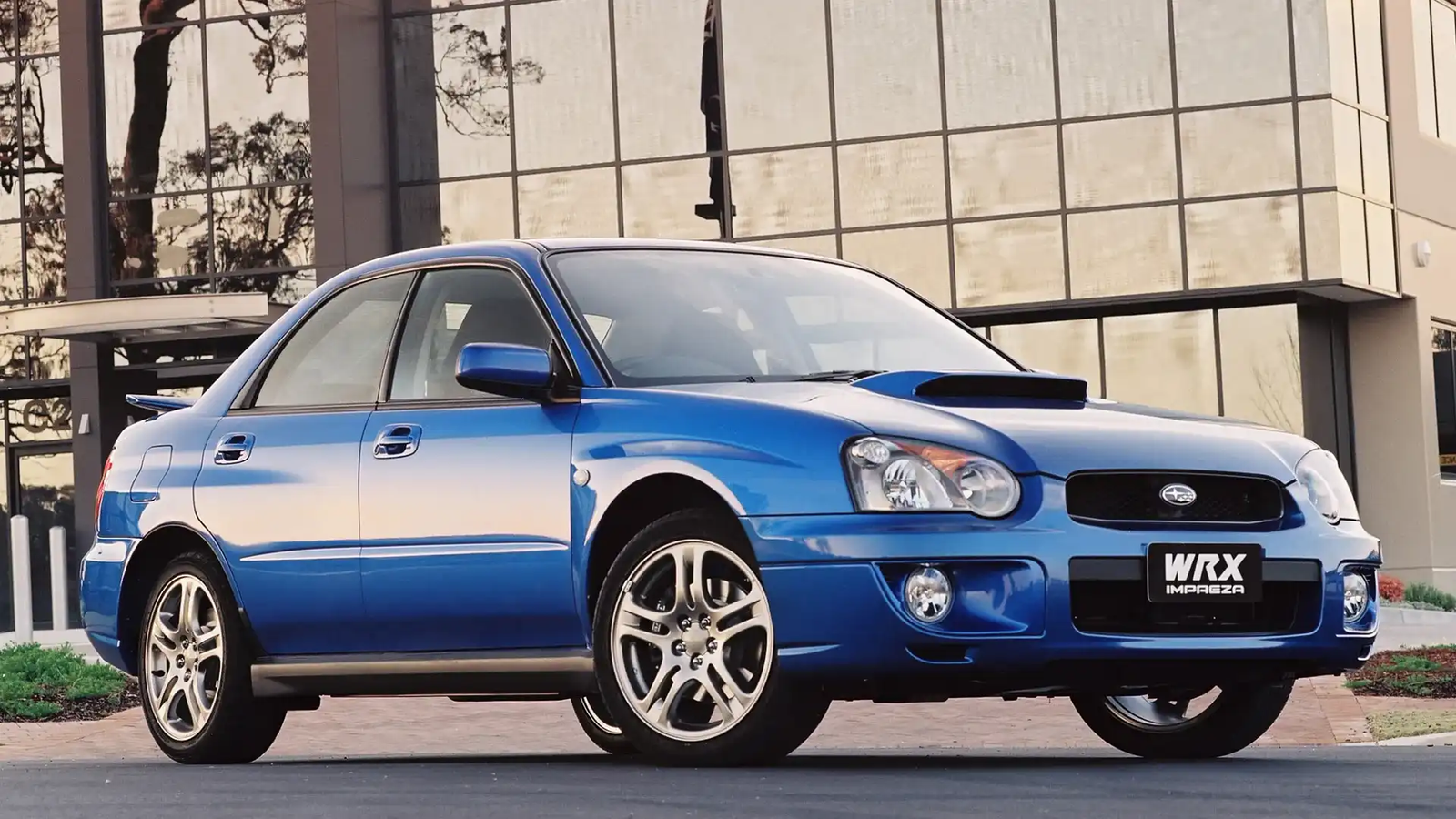
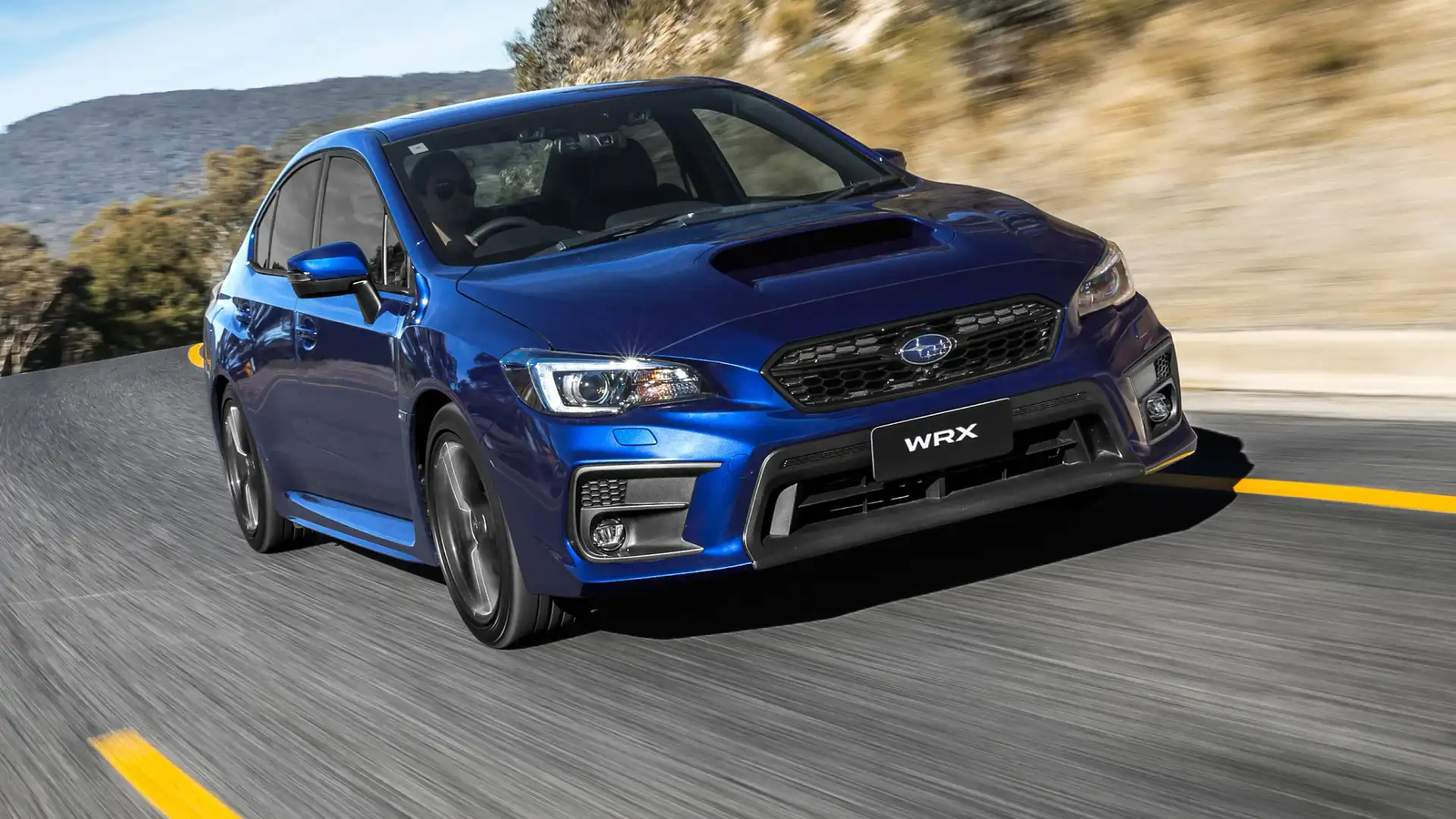
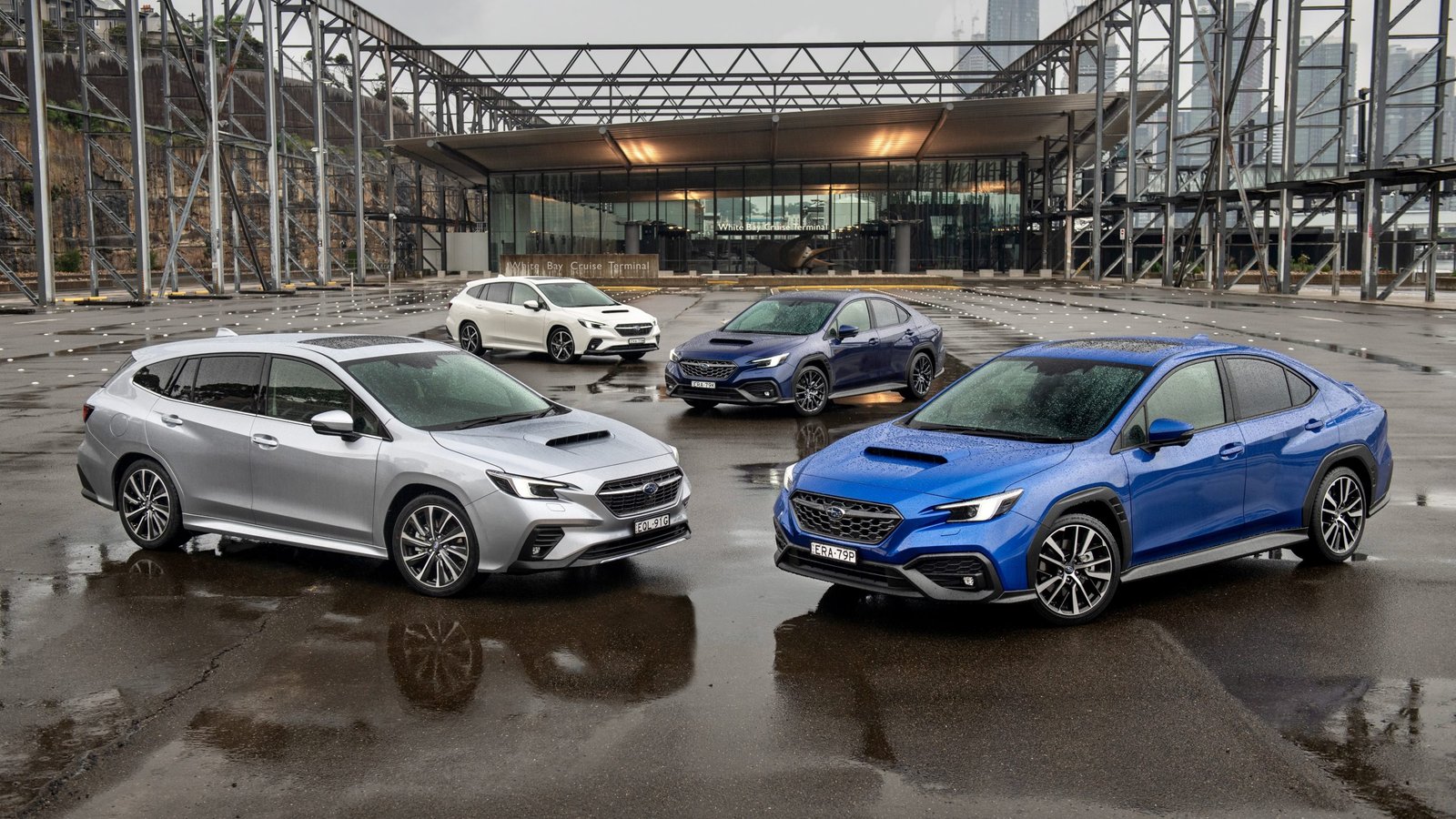
Subaru WRX
The Subaru WRX, a name synonymous with high performance and rally heritage, has carved out a unique niche in the automotive world.