The Subaru WRX has long been synonymous with rally heritage, all-wheel-drive prowess, and an unadulterated, raw driving experience. For decades, it has been a beacon for enthusiasts seeking performance without breaking the bank. Now, with the launch of its fifth generation (VA chassis in some markets, often referred to as VB/VN), a significant question looms over its rumble-infused exhaust notes: Is this the last iteration of a purely combustion-powered WRX, marking the end of an era?
The 5th Generation WRX: An Overview
Launched amidst a rapidly changing automotive landscape, the fifth-generation Subaru WRX arrives with a blend of familiar characteristics and crucial updates, aiming to evolve while retaining its core identity.
Design and Styling
The latest WRX sports a more mature, yet still aggressive, design. While its chunky, unpainted fender flares initially drew mixed reactions, they contribute to a wider, more muscular stance. The overall aesthetic is a departure from its predecessor, opting for a design that attempts to bridge its rally roots with a more contemporary, mainstream appeal. Signature elements like the hood scoop and quad exhaust tips remain, ensuring it’s unmistakably a WRX.
Performance and Powertrain
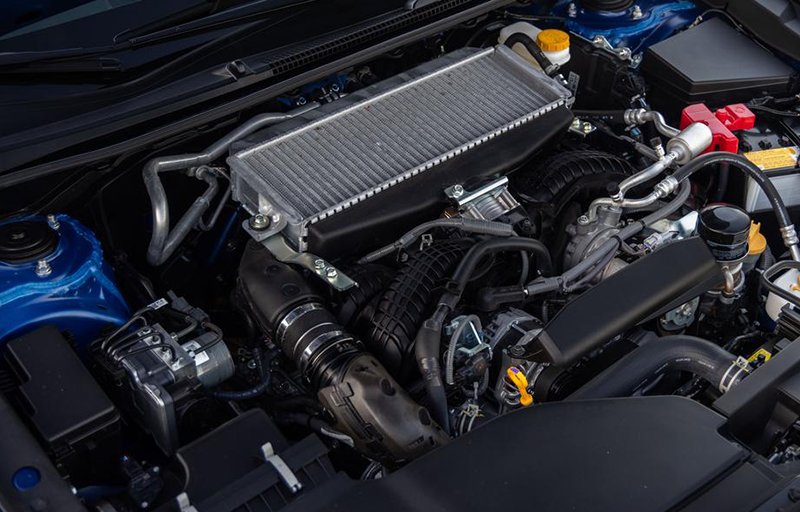
Underneath the hood lies the biggest change: the new 2.4-liter turbocharged flat-four engine, designated FA24. This unit, shared with other Subaru models like the Ascent and Outback XT, produces 271 horsepower and 258 lb-ft of torque. While the horsepower increase over the previous FA20 is modest, the FA24 offers a broader, flatter torque curve, improving daily drivability and responsiveness.
Transmission options continue to include a 6-speed manual for purists and a revised Subaru Performance Transmission (SPT) – a continuously variable transmission (CVT) that Subaru claims offers faster shifts and a more engaging experience than previous iterations. Subaru’s symmetrical all-wheel-drive system remains a core component, ensuring grip and stability in various conditions.
Chassis and Handling
The 5th generation WRX is built on the Subaru Global Platform (SGP), a fundamental change that underpins most of Subaru’s modern lineup. This platform brings significant improvements in rigidity and crash safety. For the WRX, it translates to enhanced handling, sharper steering response, and a more refined ride quality compared to its predecessors. The suspension has been tuned for a balance of spirited driving and everyday comfort, aiming to broaden its appeal without sacrificing its dynamic capabilities.
Interior and Technology
Inside, the new WRX features a more modern and upscale cabin. A prominent 11.6-inch STARLINK multimedia touchscreen dominates the center console, integrating infotainment, climate controls, and vehicle settings. Quality of materials has seen an improvement, and the sport seats are designed to offer both comfort and support during enthusiastic driving. Standard safety features include EyeSight Driver Assist Technology on SPT-equipped models, bringing a suite of modern driver aids to the performance sedan.
A Legacy of Performance: The WRX Through the Generations
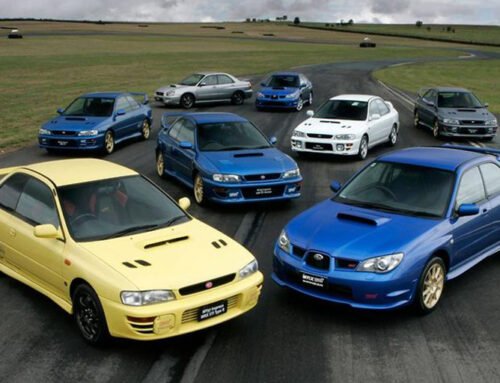
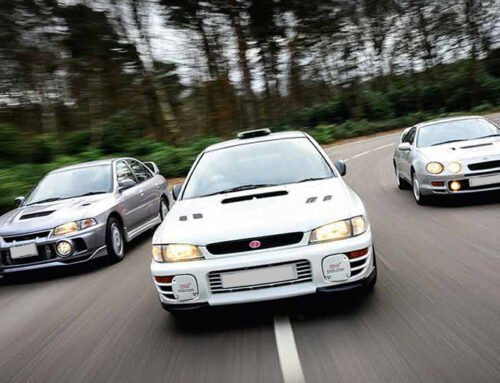
The Subaru WRX’s journey began in the early 1990s, born from a desire to dominate the World Rally Championship (WRC). Its success on the rally stages quickly translated into a cult following for its road-going counterparts.
Rally Heritage and Public Appeal
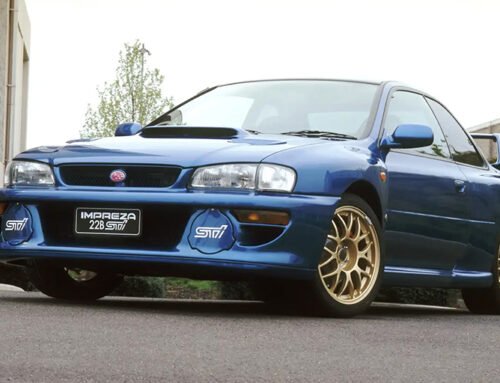
From the iconic blue and gold liveries of Colin McRae and Richard Burns to its distinctive boxer engine rumble, the WRX cemented its place as a rally legend. This heritage imbued subsequent generations with an aura of raw, accessible performance. It became the aspirational car for a generation of enthusiasts, offering turbocharged power, all-wheel drive, and aggressive styling in a practical sedan package. Each generation refined the formula, leading to a loyal customer base that championed its unique character.
The Absence of the STI
A significant point of discussion and concern among enthusiasts regarding the 5th generation is the absence of a high-performance STI variant. Subaru announced that there would be no new generation WRX STI based on the current platform, citing the need to focus resources on future electrification and advanced driver-assist technologies. This decision has fueled speculation that the era of pure, high-horsepower combustion performance from Subaru is indeed drawing to a close.
The Shifting Automotive Landscape
The automotive industry is undergoing its most profound transformation in a century, driven by regulatory pressures and evolving consumer preferences.
Global Emissions Regulations
Governments worldwide are implementing increasingly stringent emissions standards, pushing automakers away from internal combustion engines (ICE) towards electric vehicles (EVs) and other zero-emission technologies. These regulations make it progressively more challenging and expensive to develop and certify new, high-performance ICE vehicles, especially those that might be considered niche products.
The Rise of Electrification
Major automakers are investing billions into electric vehicle research and development, with many announcing timelines for phasing out ICE production entirely. The market is shifting, with EVs gaining market share and offering performance metrics that often surpass their combustion counterparts, sometimes at a lower running cost.
Subaru’s Electric Vehicle Strategy
Subaru, while historically focused on its horizontally opposed engines and symmetrical AWD, is not immune to these trends. The introduction of the Solterra, its first global all-electric SUV, signals a clear direction towards electrification. The company has publicly stated its commitment to electrifying its lineup and reducing its carbon footprint, suggesting that future performance models may well incorporate hybrid or fully electric powertrains.
Is the 5th Gen Truly the End of an Era?
Considering the confluence of factors, the argument that the 5th generation WRX represents the last of its kind – a purely combustion-powered, enthusiast-focused sedan – is compelling.
Arguments for “Yes”
- Regulatory Pressure: The increasing difficulty and cost of developing new ICE platforms that meet future emissions standards make it unlikely Subaru will invest in another generation of a pure combustion WRX.
- Subaru’s Strategic Direction: The company’s stated focus on electrification and its decision to forgo a new STI strongly suggest a pivot away from traditional high-performance ICE vehicles.
- Market Trends: The broader automotive market is moving towards EVs. While a niche, the WRX may struggle to justify its existence as a pure ICE model when competitors offer electrified performance.
- No New STI: The lack of an STI, historically the pinnacle of WRX performance, is perhaps the strongest indicator that the “era” of uncompromising combustion performance is fading.
Arguments for “No” (or a Nuanced View)
- Niche Market Persistence: There remains a strong, albeit shrinking, demand for engaging, manual-transmission, combustion-powered performance cars. Subaru might cater to this niche with limited runs or highly specialized models.
- Hybrid Transition: Rather than an immediate jump to full electric, a hybrid WRX could serve as a transitional step, blending combustion power with electric assist for improved performance and efficiency. This wouldn’t be “pure combustion” but also not fully electric.
- Synthetic Fuels/Hydrogen: While less likely for a mass-produced enthusiast car in the near future, advancements in synthetic fuels or hydrogen combustion could theoretically offer a lifeline to ICE vehicles.
The Future of Performance from Subaru
While the future of a purely combustion-powered WRX appears dim, the future of Subaru performance is not necessarily over.
Hybrid WRX?
A hybrid WRX seems like a logical next step. Integrating electric motors could provide instant torque fill, boost overall power, and improve fuel efficiency, addressing some of the traditional criticisms of the WRX while meeting emissions targets.
Electric WRX?
A fully electric WRX is also a strong possibility. Imagine a high-performance electric sedan with Subaru’s symmetrical all-wheel-drive philosophy, leveraging the instant torque and precise control offered by electric motors. It would be a radical departure but could carry the spirit of the WRX into a new age.
Conclusion
The 5th generation Subaru WRX stands at a pivotal moment in automotive history. It represents the culmination of decades of internal combustion-powered rally-bred performance, but it also arrives at the precipice of a sweeping industry transformation. While its new FA24 engine and improved platform offer a compelling package for enthusiasts today, the global shift towards electrification, coupled with Subaru’s strategic decisions, strongly suggests that this iteration may indeed be the last of its kind.
As the rumble of its boxer engine echoes into the future, the 5th generation WRX may well be remembered not just for its performance, but as a significant marker – a compelling swan song for an era of accessible, combustion-powered performance that defined a generation of enthusiasts. The spirit of the WRX, however, is likely to evolve, finding new ways to deliver excitement and capability in an increasingly electrified world.