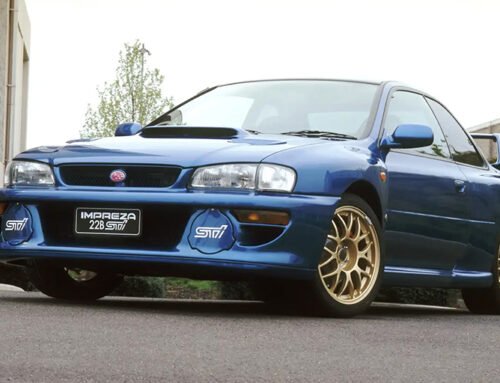
The Subaru WRX has long held a revered spot in the hearts of automotive enthusiasts. Known for its rally-bred performance, symmetrical all-wheel-drive, and distinctive boxer engine rumble, it promises an exhilarating driving experience. However, with any high-performance vehicle, questions about reliability often arise. Is the WRX a temperamental diva, or a steadfast workhorse? The simple answer is: the Subaru WRX is a remarkably robust performance car, capable of delivering years of thrilling drives with minimal problems, provided it is maintained and treated correctly.
Understanding the WRX’s Core Design for Reliability
Subaru’s engineering philosophy underpins much of the WRX’s inherent durability. The brand is known for its ruggedness, and the WRX, despite its performance aspirations, shares much of that DNA.
The Boxer Engine Advantage
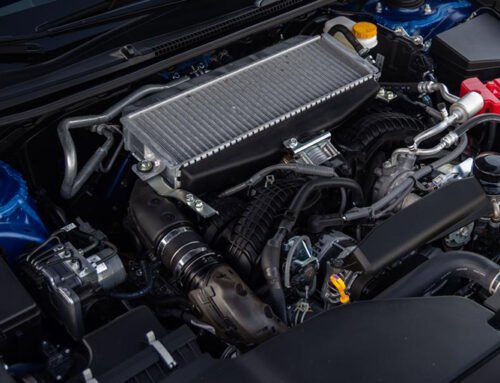
The horizontally opposed “boxer” engine design contributes to a lower center of gravity, enhancing handling. From a reliability standpoint, it also features a rigid block design. While the EJ series engines (found in older WRX models) have garnered a reputation for specific issues when neglected or heavily modified, the fundamental design is solid. Newer FA series engines (found in 2015+ WRX) have addressed many of these historical concerns, offering even greater baseline durability.
Symmetrical All-Wheel Drive
Subaru’s legendary Symmetrical All-Wheel Drive system is not just about traction; its robust design and integration contribute to the overall drivetrain’s longevity. When properly maintained with correct fluid changes, the AWD system is known for its resilience.
The Critical Role of Maintenance and Treatment
The caveat “if maintained and treated correctly” is paramount for the WRX. Unlike a commuter sedan, a performance car like the WRX operates under higher stresses. Ignoring this fact is the primary reason some owners encounter issues.
Adherence to Maintenance Schedules (and Beyond)
- Oil Changes: This is arguably the most critical maintenance item for any turbocharged engine. The WRX’s turbocharger operates at extremely high temperatures and RPMs, relying heavily on clean, high-quality oil for lubrication and cooling. Sticking strictly to (or even shortening) recommended synthetic oil change intervals is crucial.
- Fluid Checks and Changes: Beyond engine oil, regular inspection and timely replacement of transmission fluid, differential fluid, coolant, and brake fluid are vital for the longevity of these components. Using the correct OEM-specified fluids is non-negotiable.
- Spark Plugs: Timely replacement of spark plugs ensures efficient combustion and prevents undue stress on the engine.
- Air Filters: Clean air filters protect the engine and turbo from contaminants.
Driving Habits and “Treating It Correctly”
- Warm-up and Cool-down: Allowing the engine to properly warm up before aggressive driving ensures optimal oil flow. Equally important is a cool-down period after spirited driving, allowing the turbocharger to cool down before shutting off the engine, preventing oil coking.
- Avoiding Abuse: Constant redlining, aggressive clutch dumps, poor shifting techniques, and continuous track or drag racing without proper preparation and recovery can significantly shorten the lifespan of the engine, clutch, and transmission.
- Mindful Modifications: While modifications are popular in the WRX community, poorly chosen or improperly tuned modifications are a leading cause of reliability problems. Any significant power increase requires corresponding upgrades to cooling, fueling, and most importantly, a professional tune specifically tailored to the car’s setup.
Common WRX Reliability Concerns (and Mitigations)
While generally robust, certain areas have historically been points of concern for some WRX owners, particularly with older generations or abused vehicles.
EJ Series Engine Specifics (Pre-2015 WRX / STI)
- Ringland Failure: This is perhaps the most infamous issue associated with the EJ25 engine. It’s often caused by detonation (pre-ignition) due to aggressive tuning, poor fuel quality, or prolonged high-stress operation. Proper tuning, using high-octane fuel, and diligent maintenance significantly reduce this risk.
- Head Gaskets: While more prevalent in naturally aspirated Subarus, older EJ engines can occasionally develop head gasket leaks. Regular coolant system maintenance helps.
General Concerns Across Generations
- Clutch Wear: As a performance car, the clutch can wear faster than in a standard vehicle, especially with aggressive driving or inexperienced manual transmission drivers. Driving technique plays a huge role.
- Transmission Issues: While generally strong, the manual transmissions can suffer from wear or failure if subjected to constant abuse (e.g., hard launches, missed shifts, excessive power without proper drivetrain reinforcement).
- Oil Consumption: Some WRX engines, especially the FA20DIT, can exhibit minor oil consumption. It’s often within manufacturer specifications but warrants regular oil level checks between changes.
- Turbocharger Longevity: The turbocharger is a high-stress component. Its lifespan is directly tied to oil quality, proper warm-up/cool-down, and avoiding over-boosting.
- A/C Compressor: Older models can sometimes experience A/C compressor failures.
Generational Differences in Reliability
Subaru has continually refined the WRX, with generational changes impacting reliability profiles.
- EJ20/EJ25 Engines (2002-2014 WRX, all STI models): These engines are powerful but demand respect. Their reliability largely hinges on the owner’s diligence in maintenance, tuning, and driving habits. A well-maintained and untuned EJ engine can last for hundreds of thousands of miles.
- FA20DIT Engine (2015-2021 WRX): The direct-injected FA engine is generally considered more robust out-of-the-box and less prone to the ringland issues of the EJ. It still benefits immensely from strict oil change intervals due to direct injection’s impact on oil contamination.
- FA24F Engine (2022+ WRX): This newer, larger displacement engine shares architecture with the Ascent and Outback XT, suggesting a design focused on durability. Early indications are positive, but long-term reliability will become clearer with more mileage.
Tips for Maximizing Your WRX’s Reliability
- Strict Maintenance: Follow Subaru’s recommended schedule, and consider shortening oil change intervals for optimal engine health, especially if you drive aggressively.
- Quality Fluids Only: Use specified synthetic oils, coolants, and other fluids. Do not cut corners here.
- Proper Driving Habits: Always warm up the engine and turbo. Allow the turbo to cool down after spirited driving. Avoid constant abuse.
- Sensible Modifications: If you modify, invest in quality parts and, crucially, a professional, reputable tuner. More power without proper supporting mods and tuning is a recipe for disaster.
- Listen to Your Car: Pay attention to new noises, smells, or changes in performance. Addressing minor issues early prevents them from becoming major problems.
- Find a Trusted Mechanic: A Subaru specialist or a mechanic familiar with performance vehicles can be invaluable.
Conclusion
The Subaru WRX is unequivocally a robust performance car capable of impressive reliability. Its reputation for occasional issues often stems from owners who either neglect its specific maintenance needs or push the car beyond its limits without proper preparation. For the enthusiast willing to invest in diligent maintenance, practice sensible driving habits, and approach modifications thoughtfully, the WRX will reward them with an exhilarating, dependable, and relatively problem-free ownership experience for many years to come.