The Subaru WRX, particularly the 2nd generation (GD/GG chassis), holds a special place in the hearts of automotive enthusiasts. Known for its rally heritage, potent turbocharged Boxer engine, and symmetrical all-wheel-drive system, it offers an exhilarating driving experience that’s hard to match for the price. If you’re looking to buy one of these iconic machines, this guide will help you navigate the process and find the right car.
Introduction to the 2nd Generation WRX
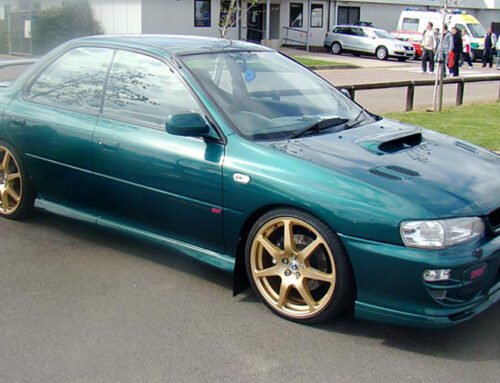
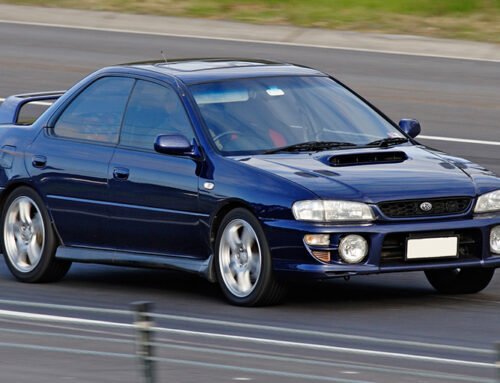
Spanning from the 2002 to 2007 model years in North America, the 2nd generation WRX is often categorized by its distinct front-end styling updates:
- “Bugeye” (2002-2003): Characterized by its round, bug-eyed headlights.
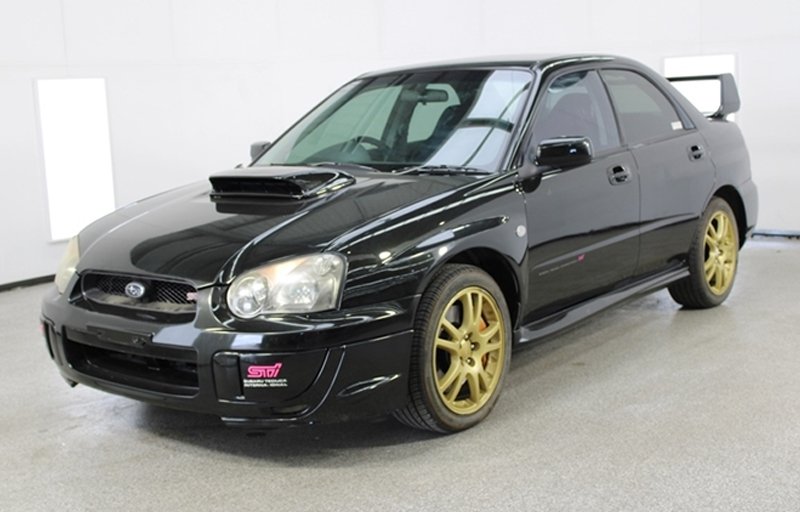
- “Blobeye” (2004-2005): Featured more aggressive, almond-shaped headlights and a revised front bumper.
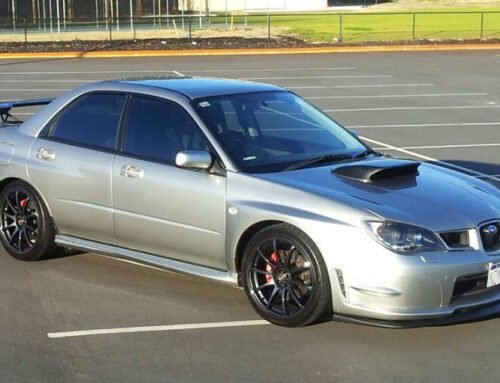
- “Hawkeye” (2006-2007): The final iteration, boasting sharper, angular headlights and a more mature grille design.
Each iteration brought subtle improvements and changes, but all share the core WRX DNA.
Why Buy a 2nd Gen WRX?
- Performance: A turbocharged Boxer engine (EJ205 or EJ255) paired with a capable AWD system delivers excellent acceleration and handling.
- Driving Engagement: Direct steering, a manual transmission, and a raw feel make it incredibly fun to drive.
- Practicality: Available as a sedan or wagon, offering decent cargo space and seating for four adults.
- Modifiability: A vast aftermarket supports these cars, allowing for personalization and performance upgrades.
- Rally Heritage: Connects you to Subaru’s legendary WRC history.
Understanding the Different Sub-Generations
While all fall under the “2nd Gen” umbrella, knowing the differences can help narrow your search.
2002-2003 “Bugeye” WRX
- Engine: EJ205 2.0-liter turbocharged Boxer engine (227 hp, 217 lb-ft torque).
- Transmission: 5-speed manual or 4-speed automatic.
- Styling: Distinctive round headlights, simple grille.
- Key Notes: The original North American WRX, often seen as a purist’s choice.
2004-2005 “Blobeye” WRX
- Engine: Still the EJ205 2.0-liter turbo, but with a slightly larger turbocharger (TD04L). No significant power increase reported.
- Transmission: 5-speed manual or 4-speed automatic.
- Styling: More aggressive front bumper, larger grille, “blob” shaped headlights.
- Key Notes: Wider track, revised suspension geometry for improved handling. The WRX STI was introduced in 2004 with a 2.5L engine and 6-speed.
2006-2007 “Hawkeye” WRX
- Engine: EJ255 2.5-liter turbocharged Boxer engine (230 hp, 235 lb-ft torque).
- Transmission: 5-speed manual or 4-speed automatic.
- Styling: Sharper, more angular headlights, revised grille, integrated fog lights.
- Key Notes: The 2.5L engine offers more low-end torque. This is the last of the GD/GG chassis.
Common Issues & What to Look For
The 2nd Gen WRX is a robust platform, but like any performance car, it has its quirks and potential failure points. A thorough inspection is crucial.
Engine (EJ205/EJ255)
- EJ255 Ringland Failure (2006-2007): The 2.5L engine is more susceptible to piston ringland failure, especially if aggressively tuned or poorly maintained. Listen for knocking, check for excessive oil consumption, and look for blue smoke from the exhaust. A compression and leak-down test is highly recommended.
- Head Gaskets: While more common on naturally aspirated Subarus, check for external leaks around the cylinder heads or coolant contamination in the oil.
- Turbocharger Health: Listen for excessive whine or grinding. Check for oil leaks around the turbo housing and inspect for shaft play (though difficult without disassembly). The TD04L (stock on most WRXs) is generally reliable.
- Oil Consumption: Some oil consumption is normal for Boxer engines, but excessive consumption (e.g., more than a quart every 1,000 miles) can indicate issues like worn piston rings or valve seals.
- Modifications: Be wary of heavily modified engines unless you have detailed records and proof of professional tuning. Poorly tuned cars are a ticking time bomb. Ask about the tuner and the dyno results.
- Timing Belt: Should be replaced every 105,000 miles. Check for proof of replacement, as it’s an expensive job.
Transmission & Drivetrain
- 5-Speed Manual Weakness: The 5-speed manual transmission is often considered the weakest link. Listen for grinding, especially when shifting into 1st, 2nd, or 3rd gear, particularly when cold. This indicates worn synchros.
- Clutch: Test the clutch for slipping (engine revs without corresponding acceleration) or a heavy pedal feel.
- CV Axles: Listen for clicking noises when turning at low speeds, which indicates worn CV joints.
- Differential Noise: Check for whining or clunking from the front or rear differentials.
Suspension & Brakes
- Struts/Shocks: Look for fluid leaks on the strut bodies and listen for clunking noises over bumps, indicating worn struts or top hats.
- Bushings: Worn suspension bushings (control arm, sway bar) can lead to sloppy handling and noise.
- Brakes: Check the condition of rotors and pads. Ensure the calipers aren’t seized. A soft or spongy pedal could indicate air in the lines or a failing master cylinder.
- Rust: Inspect the suspension components, subframe, and brake lines for excessive rust, especially in regions with harsh winters.
Body & Interior
- Rust: Common areas for rust include the rear quarter panels (especially around the wheel arches), rocker panels, and undercarriage. Check thoroughly.
- Paint Condition: Clear coat fade is common on older Subarus, particularly on the roof and hood.
- Interior Wear: Check the driver’s seat bolster for rips or excessive wear. Ensure all electronics (windows, mirrors, HVAC, radio) function correctly.
- Sunroof Leaks (Wagon): If equipped, check for water stains around the sunroof, indicating potential leaks.
Pre-Purchase Inspection (PPI)
This is the most critical step.
- Self-Inspection:
- Exterior: Walk around the car, checking for panel gaps, paint inconsistencies (signs of accident repair), rust, and tire condition.
- Interior: Check all functions, look for warning lights, and assess overall cleanliness and wear.
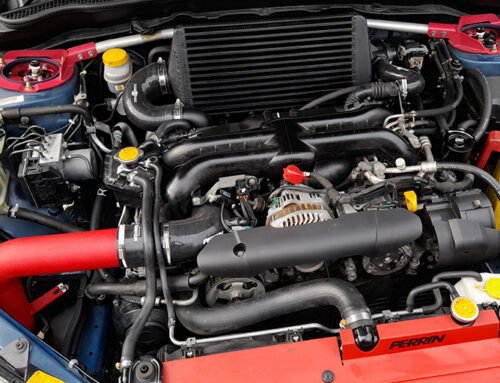
- Engine Bay: Look for fluid leaks, aftermarket parts, frayed wires, and general cleanliness. A very clean engine bay might hide leaks.
- Undercarriage: If possible, get under the car to check for rust, exhaust leaks, and suspension component damage.
- Test Drive:
- Cold Start: Listen for any unusual noises (knocking, ticking, excessive smoke).
- Engine: Check for smooth acceleration, boost delivery, and listen for turbo whine. Drive through all gears.
- Transmission: Test all gears, noting any grinding or difficulty engaging. Check clutch engagement point.
- Brakes: Test for firm pedal feel, no pulling, and no excessive noise.
- Suspension: Drive over bumps and rough roads to listen for clunks, squeaks, or excessive bounciness.
- Steering: Check for play, unusual noises, or pulling.
- AWD: Test in a safe, controlled environment if possible (e.g., gravel lot) to ensure the AWD functions correctly.
- Professional Inspection: Always have a reputable, independent mechanic (preferably one familiar with Subarus) perform a pre-purchase inspection. They can identify issues you might miss and perform crucial tests like compression and leak-down.
Documentation & History
- Service Records: Comprehensive service records are invaluable. They show a history of maintenance, major repairs, and indicate how well the car was cared for. Look for evidence of regular oil changes, timing belt replacement (if applicable), and clutch work.
- Accident History: Obtain a CARFAX or AutoCheck report. Be wary of salvage titles or extensive accident damage.
- Modification List: Ask the seller for a detailed list of all modifications, when they were done, and by whom. Ideally, you want a car that is stock or has only minor, well-documented modifications.
Determining Fair Value
- Mileage & Condition: Lower mileage and excellent condition command higher prices.
- Modifications: Well-chosen, quality modifications might add value to an enthusiast, but excessive or poorly done mods can detract from it. Stock is often safer for resale.
- Market Research: Use resources like Kelley Blue Book, NADA Guides, and recent sales on enthusiast forums (like NASIOC, i-Club) to gauge current market prices in your area.
- Region: Prices can vary significantly based on geographic location and local demand.
Final Considerations
- Insurance Costs: WRXs can be more expensive to insure due to their performance nature and higher theft rates. Get an insurance quote before buying.
- Maintenance Costs: Parts and labor can be more expensive than for a standard economy car. Be prepared for potential repair costs, especially if buying an older, higher-mileage example.
- Fuel Economy: Expect around 20-25 MPG combined, depending on driving style and conditions. Premium fuel (91+ octane) is required.
- Enjoyment Factor: Despite potential quirks, the 2nd Gen WRX offers an incredibly engaging and fun driving experience. Choose wisely, and you’ll have a fantastic enthusiast car.
By following this guide, you’ll be well-equipped to make an informed decision and find a 2nd generation Subaru WRX that will bring you years of driving pleasure. Good luck with your search!