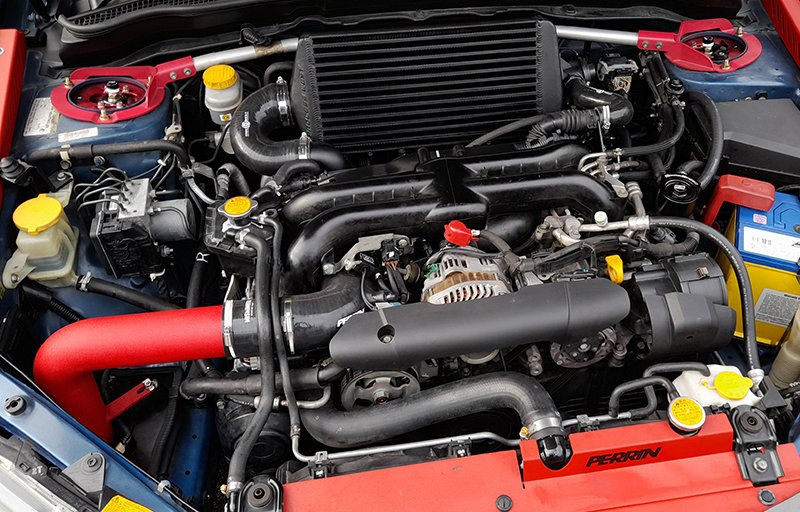
Understanding Stages 1, 2, and 3
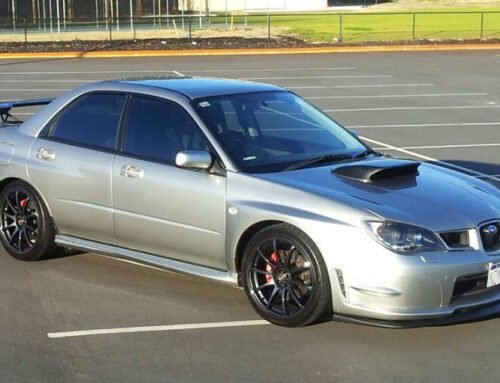
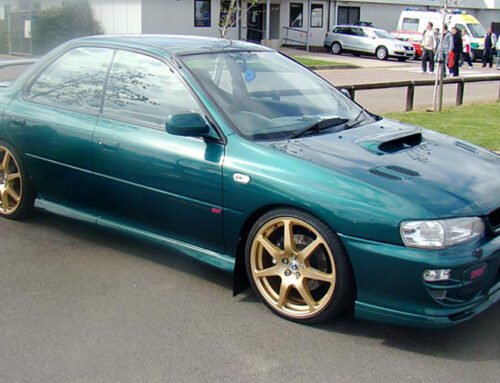
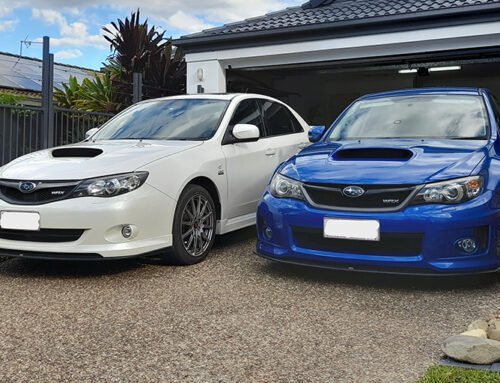
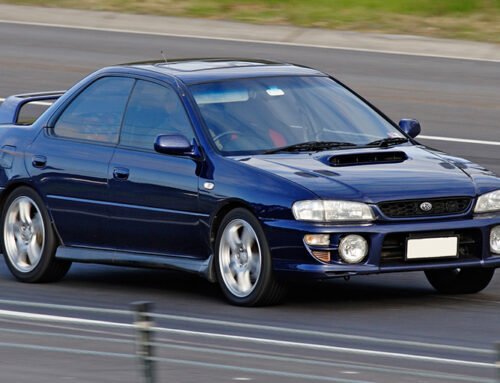
The Subaru Impreza WRX has long been a darling of the automotive enthusiast community, celebrated for its rally heritage, potent all-wheel-drive system, and the iconic rumble of its boxer engine. But beyond its stock capabilities, the WRX truly shines in its potential for modification. For many owners, the journey of enhancing their WRX begins with understanding the common “stages” of tuning. These stages offer a structured roadmap for performance upgrades, helping owners achieve specific power goals while maintaining a degree of reliability.
This article will delve into the popular Stage 1, Stage 2, and Stage 3 modifications for the Subaru Impreza WRX, outlining what each stage typically involves, the expected benefits, and crucial considerations.
Why Modify a WRX?
The allure of modifying a WRX extends beyond simply chasing horsepower figures. Enthusiasts often embark on this journey for several reasons:
- Enhanced Performance: Unlocking more power, torque, and sharper throttle response.
- Improved Drivability: Optimizing the power delivery for a more engaging driving experience.
- Personalization: Tailoring the car’s characteristics to individual preferences, whether for daily driving, track use, or drag racing.
- Addressing Factory Limitations: Strengthening components or improving cooling to handle more demanding conditions.
Understanding Modification Stages
In the world of automotive tuning, “stages” serve as a general guideline for progressively increasing performance. They are not rigid, universally defined standards but rather common groupings of modifications that work synergistically to achieve specific power levels. Each stage typically builds upon the previous one, requiring a more comprehensive approach to ensure reliability and optimal performance.
Stage 1 Modifications
Stage 1 is often the entry point into WRX tuning, focusing on optimizing the engine’s existing hardware through recalibration.
What Stage 1 Entails
The core of Stage 1 is an ECU (Engine Control Unit) reflash or tune. This involves uploading new software to the car’s computer, which modifies parameters such as:
- Fuel mapping (air-fuel ratio)
- Ignition timing
- Boost pressure targets
- Throttle response
- Rev limiters
- Speed limiters
Some Stage 1 packages may also include a high-flow air filter or a cat-back exhaust system (the portion of the exhaust from the catalytic converter back), though these are sometimes considered optional or light Stage 1+. The key is that they do not require altering the catalytic converter or downpipe.
Expected Benefits
- Significant Power and Torque Gains: Often 20-50 horsepower and similar torque increases, depending on the specific WRX generation and tuner.
- Improved Throttle Response: A more immediate and linear feel when pressing the accelerator.
- Smoother Power Delivery: Eliminating flat spots or inconsistencies in the stock power band.
- Better Fuel Economy (potentially): While not the primary goal, a well-optimized tune can sometimes lead to slight improvements in efficiency under certain driving conditions.
Considerations
- Reliability: Generally considered safe for the stock engine when performed by a reputable tuner. However, pushing too much boost or aggressive timing can still degrade engine longevity.
- Cost: Relatively affordable, with tunes ranging from a few hundred to over a thousand dollars, plus any optional air filters or exhaust.
- Warranty: An ECU reflash will almost certainly void your powertrain warranty.
- Emissions: As no major emissions components are altered, Stage 1 typically doesn’t affect emissions testing.
Stage 2 Modifications
Stage 2 builds upon Stage 1 by introducing hardware upgrades that improve exhaust flow and cooling, allowing for a more aggressive tune.
What Stage 2 Entails
In addition to the Stage 1 ECU tune, Stage 2 typically includes:
- Upgraded Downpipe: This is the most critical component, replacing the restrictive factory downpipe with a less restrictive one. It often includes a high-flow catalytic converter or, in some cases, is “catless” (for off-road use only due to legality).
- Full Turbo-Back Exhaust System: Replacing the entire exhaust from the turbocharger back, including the downpipe, mid-pipe, and cat-back sections.
- Larger Top-Mount Intercooler (TMIC) or Front-Mount Intercooler (FMIC): Improves charge air cooling, especially under sustained high-load conditions, preventing heat soak and detonation.
- Cold Air Intake (CAI) or Short Ram Intake (SRI): While some Stage 1 tunes can accommodate a drop-in filter, Stage 2 often benefits from a full intake system to further improve airflow.
Expected Benefits
- Substantial Power and Torque Gains: Another significant jump in power, often pushing into the 300-400 horsepower range for many WRX generations, depending on the specific modifications and tune.
- Reduced Turbo Lag: Improved exhaust flow allows the turbo to spool up faster.
- Improved Engine Efficiency: Cooler intake temperatures and better exhaust scavenging contribute to more efficient combustion.
- Enhanced Exhaust Note: A more aggressive and prominent exhaust sound.
Considerations
- Reliability: While Stage 2 offers significant gains, it places more stress on the engine. Using quality parts and a professional, custom tune is paramount to maintaining reliability.
- Cost: Considerably more expensive than Stage 1, factoring in the cost of the downpipe, exhaust, intercooler, intake, and a new custom tune specific to these hardware changes.
- Legality/Emissions: Replacing or removing factory catalytic converters (as is common with upgraded downpipes) is illegal for street use in many regions and will cause your car to fail emissions testing. It is crucial to understand local laws.
- Supporting Modifications: At this stage, some owners might consider minor suspension or braking upgrades to complement the increased power.
Stage 3 Modifications
Stage 3 represents a more serious commitment to performance, often involving significant hardware changes to the engine and turbocharger system to achieve very high power outputs.
What Stage 3 Entails
Building on Stage 2, Stage 3 typically involves:
- Larger Turbocharger Upgrade: Replacing the stock turbo with a bigger, more efficient unit capable of flowing much more air.
- Fuel System Upgrades: Required to supply enough fuel for the larger turbo. This includes larger fuel injectors, a high-flow fuel pump, and sometimes a fuel pressure regulator.
- Engine Internal Upgrades (Often Recommended): For sustained high power, strengthening the engine internals becomes crucial. This can include forged pistons, connecting rods, and sometimes upgraded camshafts and cylinder head work.
- Clutch Upgrade: A stronger clutch is almost always necessary to handle the increased torque and prevent slippage.
- Wastegate and Blow-Off Valve (BOV) Upgrade: To better control boost and prevent compressor surge.
- Professional Custom Tune: An absolute necessity. A highly experienced tuner will optimize all new components for maximum safe power.
Expected Benefits
- Extreme Power Output: Depending on the extent of modifications, power figures can easily exceed 400 horsepower and climb much higher, transforming the WRX into a formidable performance machine.
- Track/Competition Ready: These modifications are often geared towards dedicated track use, drag racing, or other forms of motorsport.
- Dramatic Performance Improvement: A completely different driving experience compared to stock or even Stage 2.
Considerations
- Cost: Stage 3 is a substantial financial investment, often costing many thousands, if not tens of thousands, of dollars.
- Reliability and Longevity: Pushing an engine to these extremes inherently reduces its long-term reliability and lifespan. Regular maintenance, high-quality fluids, and careful driving become paramount.
- Engine Rebuild: Often, a full engine build with forged internals is recommended or even required to handle the power, adding significant cost and downtime.
- Drivability: While powerful, a highly tuned Stage 3 WRX might be less comfortable or practical for daily driving due to aggressive clutches, stiffer suspension, and a less refined power delivery.
- Professional Installation and Tuning: This is not a DIY project for most. Expert installation and a highly skilled tuner are critical to prevent catastrophic engine failure.
- Supporting Modifications: At this level, upgrades to brakes, suspension, chassis stiffening, and tires are essential to handle the immense power safely and effectively.
Important Considerations Before Modifying Your WRX
Regardless of the stage you aim for, keep these points in mind:
- Research Thoroughly: Understand the specific requirements and potential issues for your WRX generation.
- Set Realistic Goals: Determine your budget, desired power level, and how you intend to use the car.
- Choose Reputable Parts and Tuners: Quality components and experienced tuners are crucial for performance and reliability.
- Understand Your Warranty: Any significant modification will likely void your factory powertrain warranty.
- Be Aware of Legality and Emissions: Modifying exhaust systems or removing emissions equipment can be illegal for street use and may prevent your car from passing inspections.
- Consider Supporting Mods: Don’t just focus on power. Upgraded brakes, suspension, and tires are essential to safely control and utilize increased horsepower.
- Budget for Maintenance: Highly modified cars often require more frequent and specialized maintenance.
Conclusion
The Subaru Impreza WRX offers an incredible platform for performance tuning, with modification stages providing a clear progression for enthusiasts. Whether you’re looking for a mild boost in performance with Stage 1, a significant power increase with Stage 2, or an extreme, track-focused machine with Stage 3, understanding what each stage entails is the first step. Always prioritize research, quality components, and professional tuning to ensure your WRX modification journey is both exhilarating and reliable.