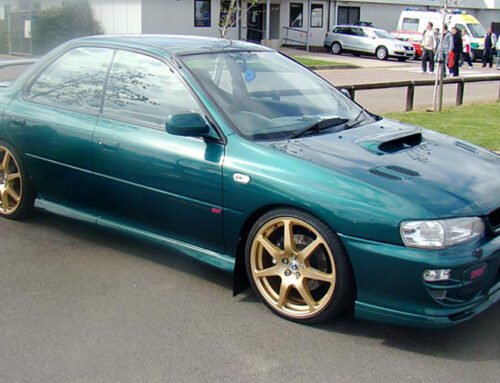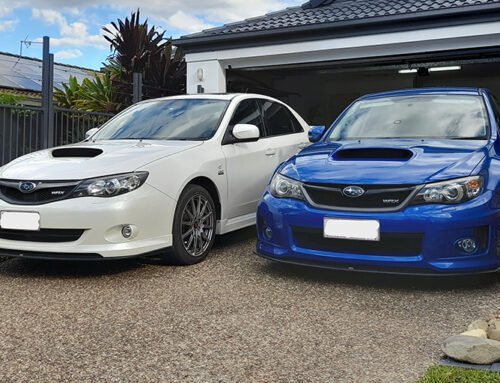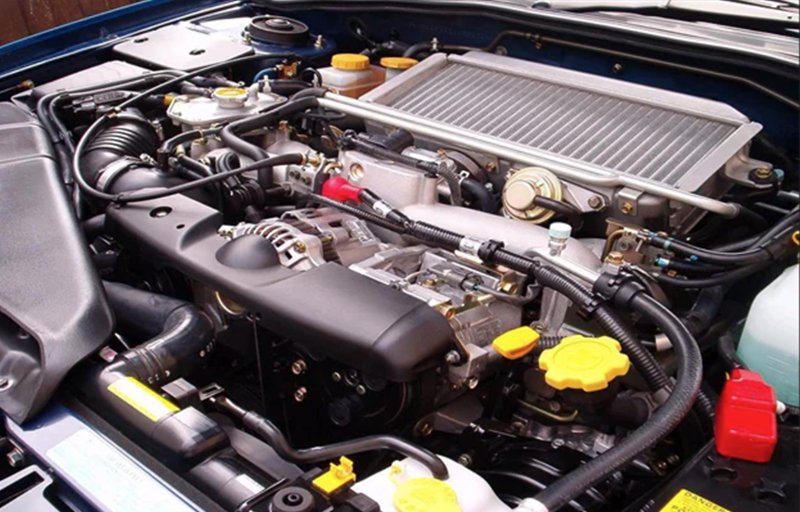
The Subaru Impreza WRX is more than just a car; it’s a statement of performance, rally heritage, and all-wheel-drive prowess. With its turbocharged Boxer engine and precise handling, owning a WRX offers an exhilarating driving experience. However, to keep your WRX performing at its peak and to ensure its longevity, diligent and specific maintenance is absolutely crucial. Neglecting its unique needs can lead to costly repairs and diminished performance. This guide outlines the essential maintenance and care tips every WRX owner should follow.
Regular Fluid Checks and Changes
Fluids are the lifeblood of your WRX, especially given its high-performance nature and complex AWD system. Regular checks and timely changes are paramount.
Engine Oil
The turbocharged engine in your WRX operates under high stress and temperatures.
- Recommendation: Use high-quality synthetic oil of the recommended viscosity (typically 5W-30 or as specified in your owner’s manual).
- Frequency: Change every 3,000-5,000 miles or as per Subaru’s severe service schedule, especially if you drive aggressively, track the car, or live in harsh conditions. Check oil levels weekly.
- Importance: Fresh oil protects the turbocharger, bearings, and other critical engine components from wear and heat damage.
Transmission Fluid (Manual/Automatic)
Both manual and automatic transmissions in a WRX work hard to manage power delivery to all four wheels.
- Recommendation: Use the specific Subaru-approved fluid for your transmission type (e.g., Subaru Extra-S for manual transmissions, specific ATF for automatics/CVTs).
- Frequency: Consult your owner’s manual. Manual transmissions typically need changes every 30,000-60,000 miles. Automatic transmissions might vary, some newer CVTs are “lifetime” but often benefit from drain and fills.
- Importance: Proper fluid ensures smooth shifting, protects gears, and maintains the integrity of the AWD system.
Differential Fluids (Front/Rear)
The WRX’s symmetrical all-wheel-drive system relies on robust front and rear differentials.
- Recommendation: Use GL-5 rated gear oil of the specified weight.
- Frequency: Typically every 30,000-60,000 miles, similar to transmission fluid.
- Importance: Fresh differential fluid reduces friction and wear on these critical components, ensuring optimal power distribution and preventing costly repairs.
Coolant
Maintaining optimal engine temperature is vital for a turbocharged engine.
- Recommendation: Use Subaru Super Coolant (SLLC) or an equivalent long-life coolant.
- Frequency: Initial change often at 137,500 miles, then every 75,000 miles, but always check levels regularly.
- Importance: Prevents overheating, corrosion, and freezing, which can severely damage the engine.
Brake Fluid
High-performance driving puts extra strain on your brakes.
- Recommendation: Use DOT 3 or DOT 4 fluid as specified.
- Frequency: Flush and replace every 2-3 years, regardless of mileage.
- Importance: Brake fluid absorbs moisture over time, reducing its boiling point and effectiveness. Fresh fluid ensures consistent braking performance and safety.
Power Steering Fluid (if applicable)
For models with hydraulic power steering.
- Recommendation: Use ATF or specific power steering fluid as per manual.
- Frequency: Check levels regularly; replacement is less frequent, often tied to system issues rather than a fixed interval.
- Importance: Ensures smooth and responsive steering.
Tire and Wheel Care
Tires are your WRX’s only contact with the road, and the AWD system demands specific attention to them.
Tire Pressure
- Frequency: Check monthly, and before long trips.
- Importance: Correct tire pressure is critical for handling, fuel efficiency, tire longevity, and most importantly, the health of your AWD system. Uneven pressure can put undue stress on the differentials.
Tire Rotation
- Frequency: Every 5,000-7,500 miles.
- Importance: Ensures even wear across all four tires. For AWD vehicles like the WRX, it’s crucial that all four tires have similar tread depth to prevent stress on the drivetrain.
Wheel Alignment
- Frequency: Annually, or if you notice uneven tire wear, steering pull, or after hitting a significant pothole.
- Importance: Proper alignment ensures precise handling, maximizes tire life, and prevents premature wear on suspension components.
Tire Type
- Recommendation: Stick with performance-oriented all-season or summer tires that match the original equipment specifications for optimal handling and safety. Avoid mixing tire brands or models.
Brake System Maintenance
The WRX’s performance means its brakes work hard. Regular inspection and maintenance are crucial for safety.
Pad and Rotor Inspection
- Frequency: At every oil change or tire rotation.
- Importance: Check for pad wear (typically 3mm minimum remaining), rotor warping, cracks, or excessive scoring. Worn brakes compromise stopping power.
Brake Calipers
- Importance: Ensure calipers are not sticking or seizing, which can lead to uneven pad wear, reduced braking efficiency, and overheating.
Brake Fluid Flush
- Frequency: As mentioned above, every 2-3 years.
- Importance: Maintains the hydraulic integrity of the braking system.
Engine and Air Intake Maintenance
Keeping the engine breathing clean and running efficiently is key to maintaining power and reliability.
Air Filter
- Frequency: Inspect every 10,000-15,000 miles; replace every 15,000-30,000 miles, or more often if driving in dusty conditions.
- Importance: A clean air filter ensures optimal air-fuel mixture, protects the engine from contaminants, and maintains horsepower.
Spark Plugs
- Recommendation: Use OEM-specified iridium spark plugs.
- Frequency: Typically every 60,000 miles.
- Importance: Fresh spark plugs ensure efficient combustion, prevent misfires, and maintain engine performance and fuel economy.
PCV Valve
- Frequency: Inspect every 30,000 miles; replace if clogged.
- Importance: A properly functioning PCV (Positive Crankcase Ventilation) valve helps remove harmful blow-by gases from the engine, preventing sludge buildup.
Turbocharger Inspection
- Importance: Listen for unusual noises (whining, grinding), check for oil leaks around the turbo, and ensure proper boost levels. Address any concerns immediately.
Drive System and Suspension
The WRX’s rally-bred suspension and robust drivetrain require attention to maintain its legendary handling.
CV Axle Boots
- Frequency: Inspect at every oil change or tire rotation.
- Importance: Check for tears or cracks in the rubber boots. Damaged boots allow dirt and moisture into the CV joint, leading to premature failure.
Suspension Components
- Importance: Inspect shocks, struts, springs, and bushings for leaks, cracks, or excessive wear. Worn components compromise handling and ride quality.
Steering Components
- Importance: Check tie rods, ball joints, and other steering linkages for looseness or wear.
Electrical System and Lighting
Reliability extends to the electrical system and ensuring visibility.
Battery
- Frequency: Test annually. Clean terminals as needed.
- Importance: Ensures reliable starting and proper operation of all electrical systems.
Lights
- Frequency: Check all exterior and interior lights regularly.
- Importance: For safety, visibility, and legal compliance.
Exterior and Interior Care
Preserving the aesthetic appeal of your WRX contributes to its value and your enjoyment.
Washing and Waxing
- Frequency: Wash regularly; wax every 3-6 months.
- Importance: Protects the paint from environmental damage, prevents rust, and keeps your WRX looking its best.
Interior Cleaning
- Importance: Regularly vacuum and wipe down surfaces to preserve materials, prevent wear, and maintain a pleasant driving environment.
Rust Prevention
- Importance: Especially in regions with harsh winters or coastal climates, regular undercarriage washes and rust-proofing treatments can extend the life of your vehicle.
Performance-Specific Considerations
The WRX is a performance car, and its maintenance schedule should reflect that.
Warm-up and Cool-down Procedures
- Importance: Allow the engine to warm up properly before driving hard, and allow it to cool down (idle for 30-60 seconds) after spirited driving to protect the turbocharger from oil coking.
Boost Gauge Monitoring
- Importance: Pay attention to your boost gauge (if equipped). Unusually high or low boost can indicate a problem.
Aftermarket Modifications
- Importance: Be aware that aftermarket modifications can impact warranty coverage and may require more frequent or specialized maintenance. Always use reputable parts and tuners.
Listen to Your Car
- Importance: Your WRX will often tell you when something is wrong. Pay attention to unusual noises, smells, vibrations, or changes in performance. Addressing minor issues early can prevent major problems.
Conclusion
Your Subaru Impreza WRX is a precision-engineered machine designed for performance and enjoyment. By adhering to a diligent maintenance schedule and paying attention to its specific needs, you’ll ensure that your WRX remains a thrilling and reliable companion for years to come. Invest in its care, and it will reward you with exhilarating drives and unwavering performance.