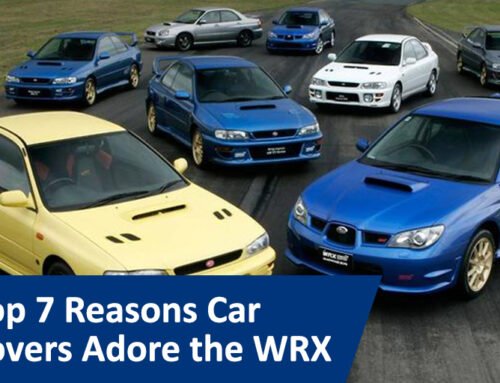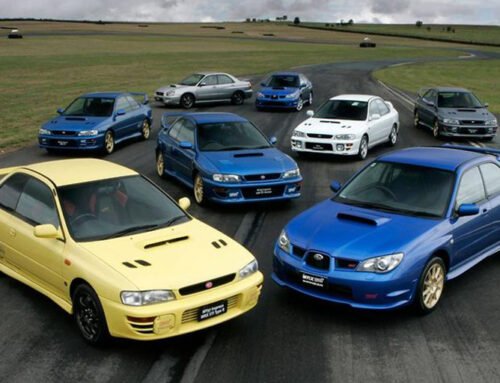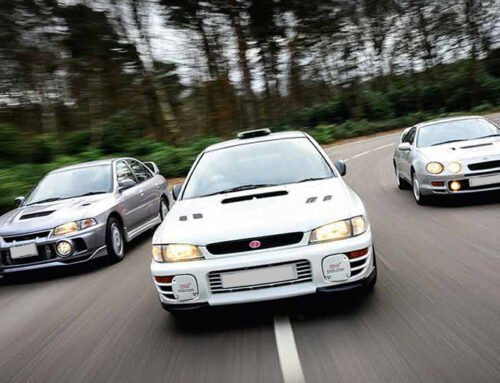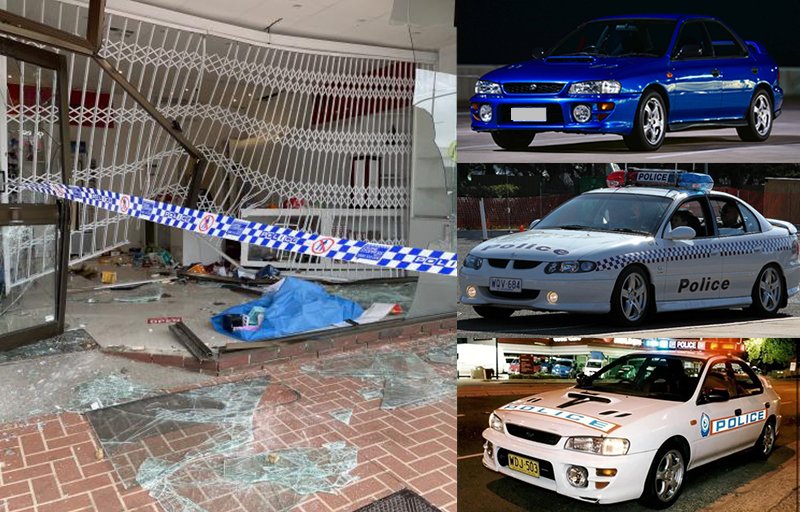
The arrival of the Subaru WRX in Australia in the mid-1990s was nothing short of a seismic event for the nation’s automotive landscape. It brought rally-bred performance, all-wheel-drive grip, and a distinctive growl to the masses at an astonishingly affordable price. While enthusiasts celebrated their new hero, an unexpected and darker chapter began to unfold as the WRX quickly became the vehicle of choice for a new breed of audacious criminals: the ram raiders. This era marked a unique cat-and-mouse game where the speed and agility of the WRX challenged the very fabric of police pursuit capabilities.
The Genesis of a Legend: WRX Touches Down
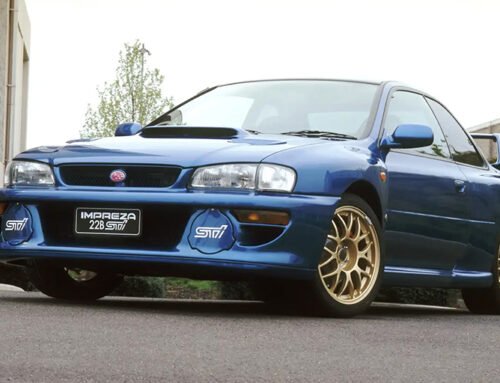
When the Subaru Impreza WRX (World Rally eXperimental) first landed on Australian shores in 1994, it was an instant sensation. Subaru, already known for its robust and practical all-wheel-drive sedans and wagons, unleashed something entirely different.
Rally Pedigree for the Road
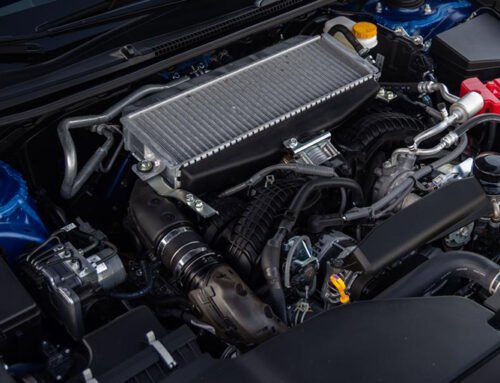
The WRX was essentially a road-legal version of Subaru’s dominant World Rally Championship car. It packed a turbocharged 2.0-litre boxer engine, initially producing 155kW (208hp), coupled with a sophisticated all-wheel-drive system. This combination delivered exhilarating acceleration, tenacious grip in all conditions, and handling prowess previously unheard of in its price bracket.
Accessibility and Appeal
Priced competitively, often under $40,000, the WRX democratized high performance. It wasn’t just for wealthy enthusiasts; it quickly became a status symbol for a younger generation drawn to its aggressive styling, distinctive bonnet scoop, and the promise of accessible speed. Car magazines raved, and sales figures soared, solidifying its place as an instant classic and a cultural icon.
A Double-Edged Sword: The WRX’s Unintended Users
While the motoring public embraced the WRX for its sporting credentials, its attributes also caught the attention of a less desirable demographic: organised criminals and opportunistic thieves. The car’s unique blend of characteristics made it alarmingly perfect for illicit activities.
The Criminal’s Checklist: Why the WRX Fit
- Blistering Acceleration: Crucial for rapid getaways from crime scenes.
- All-Wheel Drive (AWD): Provided superior traction on wet roads, gravel, or even unsealed surfaces, making it incredibly difficult for two-wheel-drive police cars to match, especially during sudden manoeuvres.
- Agility and Handling: Its compact size and nimble chassis allowed it to navigate urban environments, tight alleys, and congested streets with ease.
- Capacity: While a compact sedan, it offered enough boot space to carry stolen goods.
- Relative Anonymity: Despite its distinctive look, it blended in well enough with other performance cars, making it harder to track down if not immediately identified.
The Rise of the Ram Raider Phenomenon
The mid-to-late 1990s saw a disturbing trend emerge across Australian cities: the ram raid. This audacious crime involved using a stolen vehicle to smash through the fortified entrance of a retail premises, allowing criminals to quickly grab high-value goods before making a rapid escape.
The WRX as the Weapon of Choice
The WRX quickly became the unofficial “getaway car” for these operations. Its robust construction, coupled with its power and AWD, made it ideal for smashing through roller doors or shopfronts. The speed with which these raids were executed was breathtaking – often over in a matter of minutes, leaving police and witnesses stunned.
Targets and Tactics
Jewellery stores, electronics retailers, and even ATMs were common targets. The pattern was often the same: a stolen WRX (or similar high-performance car) would be used to breach the premises, a small team would rush in, grab what they could, and then disappear into the night, often driving at extreme speeds and exhibiting reckless behaviour to evade capture. The sheer audacity of these crimes created a sense of unease and vulnerability within the community.
Police on the Back Foot: The Pursuit Problem
The emergence of the WRX-wielding ram raider presented a significant challenge to Australian police forces, who found themselves suddenly outmatched on the roads.
Outgunned and Outmanoeuvred
Standard police pursuit vehicles of the era, primarily Ford Falcons and Holden Commodores, were rear-wheel-drive V8s or straight-sixes. While powerful in a straight line, they often struggled to match the WRX’s explosive acceleration from a standstill, its agility through corners, or its superior grip in adverse conditions. This disparity meant that pursuits often became dangerous high-speed chases, putting the public and officers at risk.
Public Safety and Media Scrutiny
The difficulty in apprehending these criminals led to frustrating headlines and public debate. Police forces faced increasing pressure to curb the ram raid epidemic, while also balancing the need for public safety during high-speed pursuits. The “cat and mouse” game played out on the streets and in the media, highlighting a critical gap in police capabilities.
The Police Response and Adaptation
Recognising the escalating threat, Australian police forces were forced to adapt their strategies and tactics.
Tactical Shifts
- Improved Surveillance: Increased reliance on CCTV networks and aerial surveillance (police helicopters) to track vehicles from a distance, reducing the need for dangerous ground pursuits.
- Road Spikes and Barriers: Greater deployment of road spike strips and other physical barriers to disable getaway vehicles.
- Intelligence Gathering: Enhanced focus on intelligence-led policing to anticipate and prevent crimes, rather than simply reacting to them.
- Pursuit Policies: Review and refinement of pursuit policies, balancing the need for apprehension with the paramount concern for public safety.
Vehicle Considerations
While police services didn’t widely adopt the WRX itself as a pursuit vehicle due to various logistical and procurement reasons, the era highlighted the need for higher-performance, more agile vehicles in their fleet. This period contributed to a broader shift in thinking about police vehicle capabilities, especially in urban environments.
Legacy and Cultural Impact
The early years of the WRX in Australia are indelibly linked to this period of criminal ingenuity and police adaptation. It’s a unique chapter in the nation’s automotive and criminal history.
The Subaru WRX cemented its legendary status not just as a rally icon and a performance bargain, but also as a car that inadvertently forced law enforcement to rethink its strategies. While its criminal associations faded as police adapted and the car itself became more common, the “WRX ram raider” remains a potent symbol of an era when a humble Japanese sedan briefly turned the tables on traditional policing, leaving a lasting mark on Australia’s cultural memory.