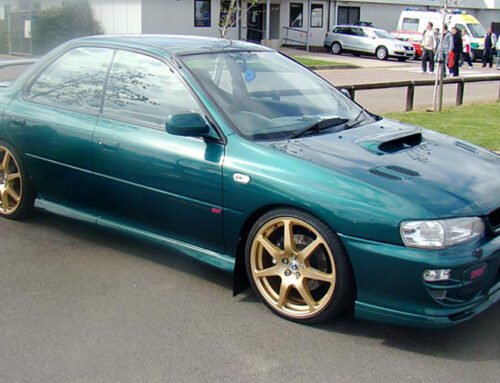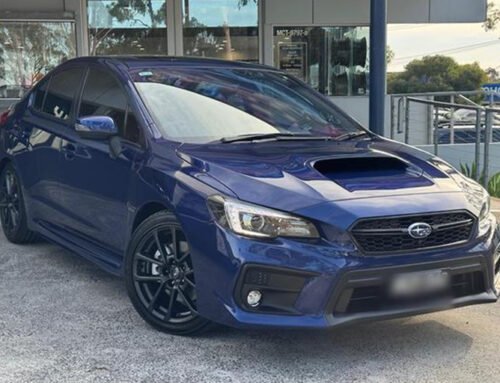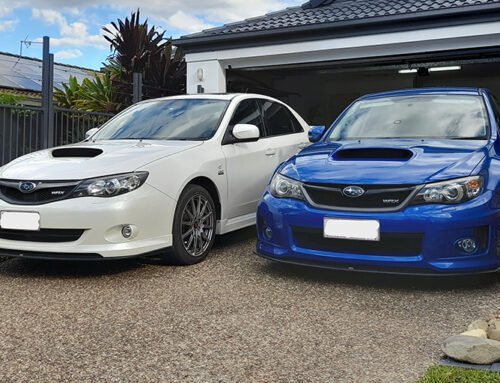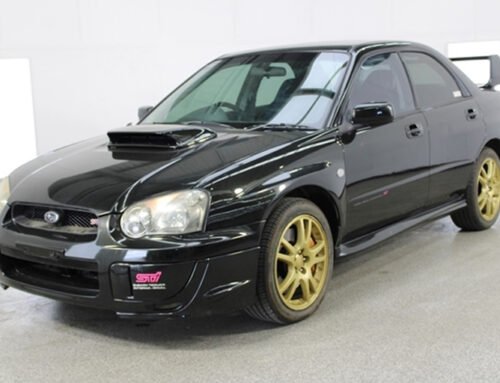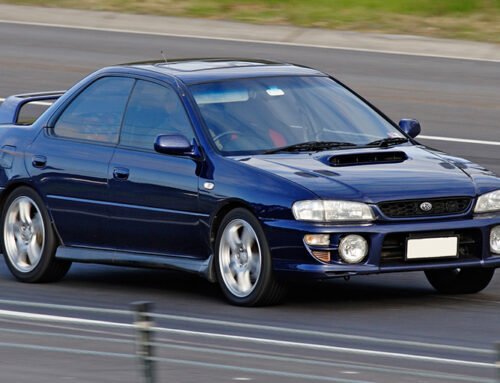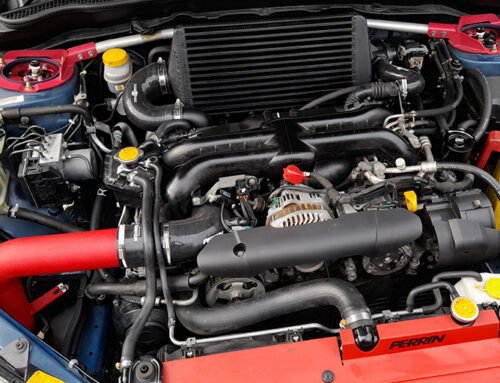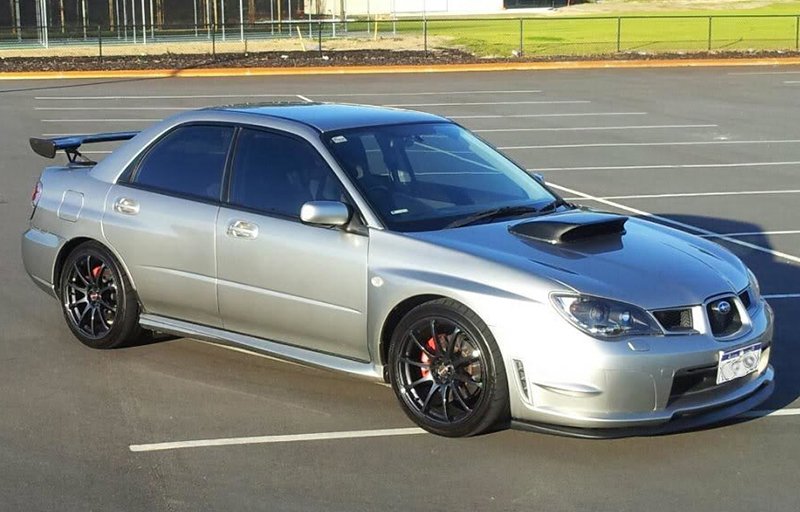
The 2nd Generation GD/GG Chassis has garnered a dedicated following among automotive enthusiasts, thanks to its blend of performance, style, and versatility. As owners seek to personalize and enhance their vehicles, exterior modifications have become a popular avenue for expression and improved functionality. This modifications guide delves into the various options available for GD/GG Chassis owners, covering everything from body kits and wheel upgrades to lighting enhancements and paint choices. Whether you’re looking to boost aerodynamics, improve aesthetics, or simply stand out on the road, this guide will provide insights and tips to help you navigate the exciting world of exterior modifications.
Overview of the 2nd Generation GD/GG Chassis
History and Background
The 2nd Generation GD/GG Chassis, produced between 2001 and 2007, is often praised for its blend of practicality and sporty appeal. Designed as a compact car that leans toward the performance end of the spectrum, this generation was part of the Subaru Impreza lineup and aimed to appeal to both the everyday driver and the rally enthusiast. With its roots in rally racing, the GD/GG chassis quickly gained a following thanks to its all-wheel-drive capabilities and signature boxer engine growl that could make even the most mundane grocery run feel like a scenic drive through the Alps.
Key Specifications
This chassis comes equipped with a 2.0-liter or 2.5-liter boxer engine (depending on the model) that delivers a punch while maintaining decent fuel efficiency. The GD/GG models feature an AWD system, a 5-speed manual or 4-speed automatic transmission, and generous cargo space for those spontaneous weekend getaways. Dimensions hover around 4,500 mm in length, 1,740 mm in width, and a height of about 1,400 mm, making it just the right size for weaving through city traffic or conquering twisty mountain roads.
Market Popularity
The 2nd Generation GD/GG Chassis has carved out a niche in the automotive market, becoming a beloved choice among enthusiasts who appreciate its balance of performance and practicality. With a strong presence in the tuning community, these models have spawned a variety of aftermarket upgrades. Whether you’re looking for a spirited daily driver or a fully-fledged track machine, this chassis has proven it can handle both, which has ensured its continuing popularity well into the used car market.
Popular Exterior Modifications
Customization Trends
When it comes to customization, the GD/GG chassis has become a blank canvas for creativity. Popular trends include aggressive body kits, eye-catching wraps, and LED lighting upgrades that give a modern twist to the car’s classic lines. Enthusiasts often lean towards “stance” modifications, which may involve lowering the suspension, adding wider wheels, and incorporating unique fender flares for a bold look. The goal? To turn heads—your car should be as memorable as your favorite meme.
Cost Considerations
As with any automotive modification, costs can vary widely based on the type and quality of parts you choose. Entry-level mods like vinyl wraps or basic LED kits can set you back a few hundred bucks, while full body kits and high-performance suspensions can range from $1,000 to several thousand. When budgeting, don’t forget to factor in installation costs, which can add another layer of expense. Remember, while you might want your car to look like it just rolled out of a car show, it shouldn’t bankrupt your coffee habit!
Legal and Compliance Issues
Before diving into modifications, it’s crucial to consider local regulations—the last thing you want is to be pulled over for having the world’s loudest exhaust or a body kit that resembles a spaceship. Always check with local laws regarding vehicle modifications to ensure compliance. Some mods might require inspections, while groups like your local car club can be a great resource to navigate these often murky waters.
Body Kits and Aerodynamics
Types of Body Kits
Body kits can dramatically change the look and feel of your GD/GG chassis, and they come in a variety of styles. From front lips and side skirts to complete kits that include rear bumpers and fenders, the options are plentiful. Fiberglass and polyurethane are popular materials; fiberglass offers a lightweight feel but can be less durable, while polyurethane is sturdy but may weigh a bit more. Whether you’re in it for the aesthetics or the performance gains, there’s a body kit to suit every taste.
Benefits of Aerodynamic Enhancements
Adding aerodynamic enhancements not only makes your car look fast—even when it’s parked—but can actually improve handling and efficiency at speed. Spoilers, splitters, and diffusers create downforce, helping your car hug the road better during aggressive cornering. Who knew that looking good could also make you a better driver? Plus, your inner race car driver will thank you as you glide through turns like a pro.
Installation Process
Installing a body kit may require gentle finesse, some basic tools, and a bit of patience. Most kits come with detailed instructions, but it’s good to have a buddy—or a YouTube video—on hand for extra guidance. Generally, the process involves removing bumpers or panels, fitting the new pieces, and securing them with brackets or glue. If you’re not the DIY type, professional installation is always an option, but it may cost a bit more. Remember, a well-installed body kit looks as good as new, while a poorly installed one can make your car look like it’s having a mid-life crisis.
Wheel and Tire Upgrades
Choosing the Right Wheels
Wheels are like the shoes of your car—pick the right pair, and you’ll turn heads; choose poorly, and you’ll be the laughing stock of the pavement. For the GD/GG chassis, popular wheel sizes generally range from 17 to 19 inches. Opt for lightweight alloys to enhance performance while adding a touch of flair. Don’t forget to consider offset and bolt pattern; you want wheels that fit like a glove, not like a pair of hand-me-downs from your cousin.
Tire Size and Performance
Selecting the right tires is crucial for both safety and performance. Many enthusiasts opt for wider tires to improve grip and handling, but remember to check your suspension setup and wheel wells for clearance. Common sizes for the GD/GG chassis often include 215/45R17 or 225/40R18, but always consult your vehicle’s specifications and consider the driving conditions you’ll face. A good set of tires can make your ride smooth and responsive, while a bad set can lead to skidding and heartbreak.
Installation and Alignment
Installing new wheels and tires isn’t just a matter of bolting them on and driving off into the sunset. It’s essential to have proper alignment checked after installation to ensure your tires wear evenly and your car handles properly. If you’re unsure about doing it yourself, a trip to the local garage for professional installation and alignment could save you from tires that wear down faster than your favorite Netflix series. Keep those wheels in check, and they’ll keep you rolling smoothly!
Lighting Enhancements
Types of Lighting Modifications
Upgrading your lighting is like giving your car a superhero cape. From sleek LED strips to aggressive fog lights, options abound! Consider projectors for precision, or go for aftermarket headlights that scream “look at me!” Just remember, it’s all about finding the right blend of style and functionality.
LED vs. Halogen vs. HID
Ah, the age-old debate: LED, Halogen, or HID? LED lights are the cool kids on the block—energy-efficient and long-lasting. Halogens? They’re reliable but don’t shine as brightly or as efficiently. HID lights can light up the night like a mini-sun but require careful handling (hello, ballast!). Choose the type that suits your driving style, budget, and, let’s be honest, how much bling you want on your car!
Installation Tips
Installing new lights might feel like brain surgery at first, but it’s actually a manageable task. Familiarize yourself with your vehicle’s wiring and don’t be afraid to reference installation videos (thank you, internet!). Always disconnect the battery first—no one enjoys accidental zaps! Test your lights before sealing everything up, and make sure your alignment is on point to avoid dazzling oncoming traffic.
Paint and Wrap Options
Choosing the Right Color and Finish
Picking a color is like choosing your car’s wardrobe: it sets the mood! Glossy finishes scream luxury, while matte can offer a stealthy vibe. Remember to think about your personality and lifestyle—if coffee spills or dirt are your nemeses, consider easier-to-clean options. Don’t forget to check color swatches in different light to avoid surprises. Nobody wants an unintentional neon pink fiasco!
Protective Coatings
Once you’ve locked in that perfect color, you’ll want to protect it. Enter protective coatings—like a shield for your paint! Ceramic coatings are all the rage, offering long-lasting protection against scratches and UV rays. Alternatively, clear vinyl wraps can provide a layer of defense while keeping your fancy new finish intact. Just remember, a little care goes a long way in maintaining that fresh-off-the-lot look!
DIY vs. Professional Services
The classic DIY vs. hiring a pro debate: are you an adventurous spirit or a cautious planner? If you have a steady hand and patience, DIY might be your jam. But if the thought of spray paint makes you sweat, consider hiring a pro. A perfectly executed wrap or paint job can elevate your car’s look, and let’s be honest—nobody wants to be the “Wow, what happened there?” story at the next car meet!
Installation Tips and Considerations
Tools Required
Before you channel your inner mechanic, gather the necessary tools. Basic essentials include screwdrivers, wrenches, and a socket set—think of it as assembling your car mod Avengers! Depending on what you’re doing, you might also need a heat gun for wraps or a multimeter for wiring. A well-prepped toolbox can save you from frantic runs to the hardware store (trust me on this!).
Safety Precautions
Safety first, folks! Always wear gloves and goggles when working with tools or chemicals—your future self will thank you. Make sure your workspace is well-ventilated and keep flammable materials away from heat sources. And please, always have a fire extinguisher handy because accidents are like uninvited guests: they show up when you least expect it!
Common Mistakes to Avoid
Let’s steer clear of rookie errors! First, double-check your measurements—nobody wants parts that don’t fit. Second, take your time; rushing can lead to overlooking critical details. Also, don’t forget to read instructions; they’re there for a reason! And finally, avoid mixing up parts; all those bolts can look alike until one isn’t compatible, leaving you with a “huh” moment.
Maintenance and Care for Modifications
Routine Checks and Maintenance
Your hard work deserves ongoing care! Make routine checks part of your car care regimen. This includes inspecting lights, checking for any loose components, and ensuring your wraps are holding tight. Treat your modifications like houseplants—neglect them, and they won’t thrive! Regular maintenance can help you catch small issues before they turn into costly repairs.
Cleaning and Protecting Modifications
To maintain that fresh look, develop a cleaning routine. Use gentle cleaners on wraps and avoid waxes that can damage your finish. A microfiber cloth is perfect for wiping down surfaces without scratching them. Oh, and remember: the better you care for your mods, the longer they last—like a good friendship, they thrive with a little TLC!
Long-term Considerations
Think long-term when it comes to your mods. Will they hold up over time? Consider factors like climate and driving conditions. For instance, if you live in an area with harsh winters, more durable options might be necessary. It’s also wise to keep documentation of your modifications—like a scrapbook for your car’s journey. This will help you remember which parts need replacing, and can also be a great conversation starter at car shows!In conclusion, exterior modifications for the 2nd Generation GD/GG Chassis offer a fantastic opportunity for owners to enhance both the look and performance of their vehicles. By carefully considering the various options and following best practices for installation and maintenance, you can create a customized ride that reflects your personal style and meets your driving needs. Whether you’re a seasoned modder or just starting out, the journey of transforming your vehicle is sure to be rewarding and enjoyable.
Frequently Asked Questions
What are the most popular exterior modifications for the GD/GG Chassis?
The most popular exterior modifications include body kits, upgraded wheels and tires, enhanced lighting systems, and custom paint or wraps. Each of these modifications can significantly alter the appearance and performance of the vehicle.
Are there any legal restrictions on modifying my vehicle’s exterior?
Yes, certain modifications may be subject to local laws and regulations, including restrictions on the types of lights used or how much a vehicle can be lowered. It’s essential to check with local authorities to ensure compliance with any relevant regulations.
Can I install exterior modifications myself?
Many exterior modifications can be installed as DIY projects, especially with the right tools and resources. However, some modifications, like body kits or complex lighting systems, may require professional installation to ensure proper fit and functionality.
How do I maintain my exterior modifications?
Regular cleaning and inspections are crucial for maintaining exterior modifications. Use appropriate products to clean painted surfaces, check for wear on tires and lights, and ensure that all components are securely attached and functioning properly.