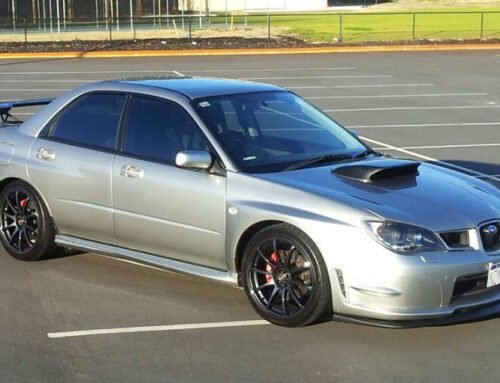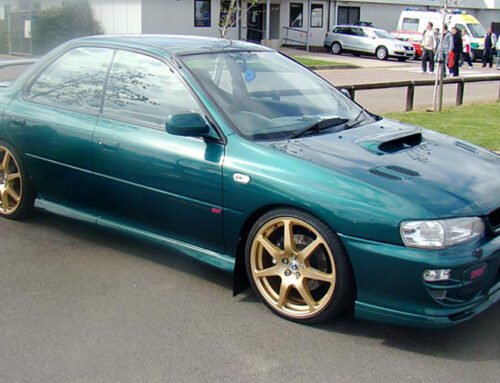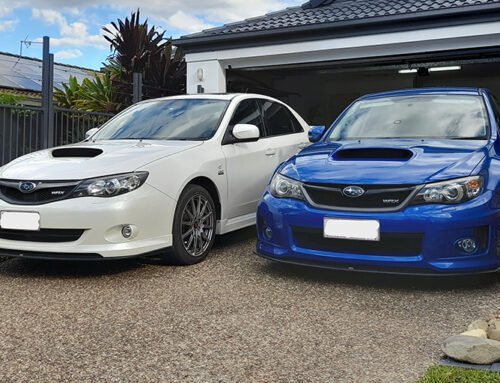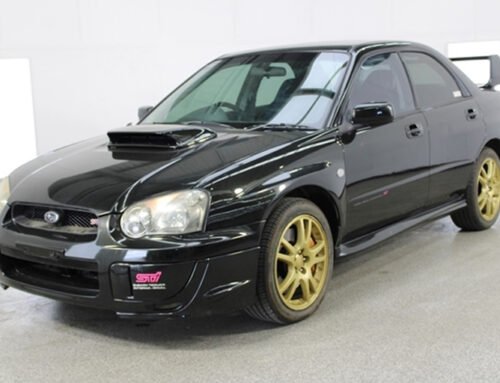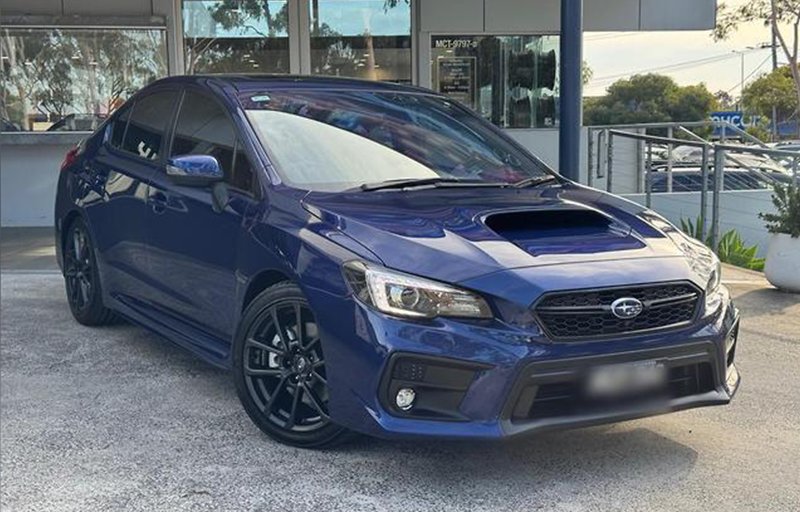
The Subaru WRX has long been a darling of enthusiasts, blending rally heritage with everyday practicality and exhilarating performance. The 4th generation, often referred to as the VA chassis (produced from 2015 to 2021), marked a significant evolution for the platform, introducing a new engine and a more refined interior while retaining its iconic all-wheel-drive prowess. If you’re considering purchasing a used WRX from this generation, this guide will walk you through what to look for to ensure you make a well-informed decision.
Why the 4th Generation WRX?
The VA chassis WRX stands out for several compelling reasons:
- FA20DIT Engine: This generation introduced the 2.0-liter direct-injection turbocharged (DIT) FA20 engine, offering 268 horsepower and 258 lb-ft of torque. It’s known for its broad powerband and strong mid-range pull, making it a responsive and fun engine both on the street and for spirited driving.
- Symmetrical All-Wheel Drive (AWD): Subaru’s legendary AWD system provides exceptional grip and confidence in all weather conditions, a hallmark of the WRX.
- Improved Interior: Compared to previous generations, the 4th gen offered a more modern and higher-quality interior, with better materials and updated technology, especially in later model years.
- Practicality: With its four doors and decent trunk space, the WRX remains a highly practical performance car, capable of daily driving duties, grocery runs, and even family transport.
- Tuning Potential: The FA20DIT engine responds well to modifications, making it a popular choice for those looking to extract more power and customize their vehicle.
Key Considerations Before Buying
Before you even start looking at specific cars, it’s vital to lay some groundwork.
Budgeting Beyond the Purchase Price
Remember that the purchase price is just the beginning. Factor in:
- Insurance: Performance cars often command higher insurance premiums.
- Maintenance: While generally reliable, performance cars require diligent maintenance.
- Modifications: If you plan to tune or modify the car, set aside a budget for parts and professional installation/tuning.
- Fuel: The WRX requires premium fuel.
Research and Education
Spend time on Subaru forums (e.g., NASIOC, WRX Club forums), owner groups, and reliability sites. This will familiarize you with common issues, modification trends, and realistic expectations for the car. Understanding the FA20DIT engine’s characteristics is particularly important.
What to Look For: A Comprehensive Pre-Purchase Checklist
The WRX is often bought by enthusiasts, which means many have been modified or driven hard. A thorough inspection is crucial.
Engine (FA20DIT)
This is the heart of the car and requires the most scrutiny.
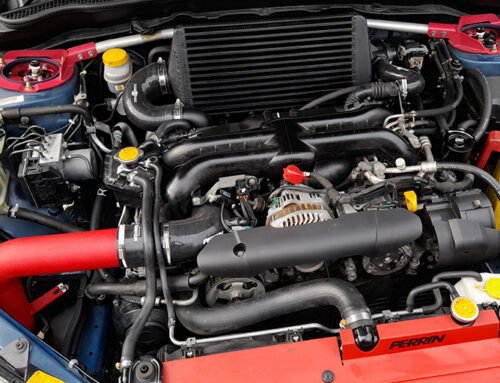
- Modifications: This is paramount. Most WRXs will have some modifications.
- Tune: Ask if the car has been tuned. If so, what tuner was used, and can they provide dyno sheets or a copy of the tune? A professionally tuned car is generally safer than one with a “canned” or unknown tune.
- Intake/Exhaust: Check for aftermarket intake systems and exhaust components. Ensure they are quality brands and properly installed.
- Intercooler: Aftermarket top-mount (TMIC) or front-mount (FMIC) intercoolers are common.
- Turbocharger: Confirm if the original turbo is still in place or if it’s been upgraded.
- Fueling: Check for upgraded fuel pumps, injectors, or flex-fuel kits.
- Warning: Heavily modified cars carry higher risk. If the seller can’t provide detailed information or service records for modifications and tuning, proceed with extreme caution. Untuned aftermarket parts can cause serious engine damage.
- Oil Consumption: While less prevalent than in older EJ engines, some FA20DIT engines can consume oil. Check the oil level and ask the seller about their oil change frequency and any observed consumption.
- PCV Valve: A known weak point, ensure it’s been inspected or replaced if there are any signs of oil blow-by or rough idling.
- Carbon Buildup: As a direct-injection engine, the FA20DIT is susceptible to carbon buildup on the intake valves over time. Ask about any preventative measures taken (e.g., walnut blasting) or symptoms like rough idle or reduced power.
- Oil Leaks: Check around the valve covers, oil pan, and turbocharger for any signs of leaks.
- Service History: Demand a comprehensive service history. Look for regular oil changes (synthetic recommended every 3,000-5,000 miles), spark plug replacements (especially if tuned), and differential/transmission fluid changes.
Transmission & Drivetrain
- Manual (6-Speed):
- Clutch: Test the clutch for slippage (accelerate hard in a higher gear, see if RPMs rise disproportionately to speed). Feel for a smooth engagement point.
- Shifting: Ensure all gears engage smoothly without grinding, especially 1st, 2nd, and reverse. Listen for any unusual noises during shifting.
- Shifter Feel: Check for excessive slop in the shifter. Many owners install short-throw shifters or bushings, which is generally a positive modification.
- CVT (Subaru Performance Transmission – SPT):
- Available on Premium and Limited trims.
- Fluid Changes: Ensure regular CVT fluid changes have been performed as per Subaru’s schedule. This is critical for longevity.
- Operation: Listen for any whining, shuddering, or hesitation during acceleration. Test both “Intelligent” and “Sport Sharp” modes.
- AWD System:
- Differential Noise: Listen for any clunking, grinding, or whining noises from the front, center, or rear differentials, especially during turns or acceleration.
- CV Boots: Inspect the rubber boots on the axle shafts for tears or cracks, which can lead to grease leakage and CV joint failure.
Suspension & Brakes
- Suspension Components:
- Struts/Shocks: Look for any signs of fluid leaks from the struts or shocks.
- Bushings: Check for cracked or worn rubber bushings in the control arms and sway bars, which can lead to clunking noises or loose handling.
- Aftermarket: Many WRXs have aftermarket springs, coilovers, or sway bars. Inquire about the brand and installation quality.
- Brakes:
- Pads & Rotors: Check the thickness of the brake pads and rotors. Look for uneven wear, scoring, or warping (pulsation during braking).
- Fluid: Check the brake fluid level and color.
- Caliper Function: Ensure all calipers are moving freely.
Exterior & Body
- Accident History: Thoroughly inspect panel gaps, paint match, and bolt heads (especially on fenders and hood) for signs of previous accidents or repairs. A CarFax/AutoCheck report is a good starting point, but not infallible.
- Rust: While newer, check common rust spots like wheel wells, rocker panels, and the undercarriage, especially if the car has been in a salted road environment.
- Paint Condition: Subaru paint is known to be relatively soft. Look for swirl marks, rock chips, and clear coat damage.
- Tires: Check for even tire wear, which indicates proper alignment and suspension health. Ask about tire age and brand.
Interior & Electronics
- Wear and Tear: Inspect the seats (especially driver’s bolster), steering wheel, and shift knob for excessive wear.
- Electronics: Test all power windows, locks, mirrors, infotainment system (Bluetooth, Apple CarPlay/Android Auto if equipped), HVAC controls, and dashboard lights.
- Sunroof: If equipped, test its operation.
- Smells: Note any unusual smells like mold, mildew, or strong cigarette smoke.
Common Issues & Known Weaknesses (4th Gen WRX)
While generally reliable, be aware of these common points:
- Infotainment System Glitches: Earlier models (2015-2017) often had a less refined infotainment system that could be slow or glitchy. Updated firmware or aftermarket head units are common fixes.
- Paint Quality: As mentioned, Subaru paint is notoriously soft and prone to chipping and swirling.
- Clutch Master Cylinder: Some owners have reported issues with the clutch master cylinder, leading to a spongy pedal or difficulty engaging gears.
- Carbon Buildup: Essential to monitor due to direct injection. Preventative measures or cleaning may be required over time.
Understanding Trim Levels (US Market)
The 4th Gen WRX was available in several trim levels, each offering different features:
- WRX (Base): Standard features include the FA20DIT engine, 6-speed manual, halogen headlights, basic infotainment, and cloth seats.
- WRX Premium: Adds larger wheels (usually 18-inch), fog lights, heated front seats, heated mirrors, windshield wiper de-icer, and a larger multimedia display. A power sunroof and the SPT (CVT) transmission become optional.
- WRX Limited: The top trim, adding LED steering-responsive headlights, leather-trimmed upholstery, a power-adjustable driver’s seat, navigation, and upgraded audio (Harman Kardon optional). The SPT (CVT) is also optional.
The Importance of a Pre-Purchase Inspection (PPI)
Even if you’re mechanically inclined, a professional Pre-Purchase Inspection (PPI) by a trusted mechanic, preferably one familiar with Subarus, is non-negotiable. They can spot issues you might miss, including signs of hidden accident damage, engine problems, or neglected maintenance. A PPI typically costs a few hundred dollars but can save you thousands in potential repairs down the line.
Negotiation & Final Steps
- Pricing: Research market value using sites like Kelley Blue Book (KBB), Edmunds, and by comparing similar listings in your area.
- Service Records: Insist on seeing all available service records. A transparent seller with detailed records is a good sign.
- Test Drive: Take the car for an extended test drive on various road types (city, highway, bumps). Listen for unusual noises, feel for vibrations, and test all functions.
- Trust Your Gut: If something feels off, or the seller is evasive, walk away. There will always be another WRX.
Conclusion
The 4th generation Subaru WRX offers an exciting blend of performance, practicality, and tuning potential. By approaching your purchase with diligence, armed with this comprehensive buyer’s guide, you can confidently find a well-maintained example that will provide years of driving enjoyment. Happy hunting, and welcome to the Subie family!