The Subaru WRX has long been a beacon for enthusiasts seeking thrilling performance, rally-bred heritage, and all-weather capability in a practical package. The third generation, introduced in 2008, marked a significant departure from its predecessors with a new chassis code (GR for hatchback, GV for sedan) and a more mature, yet still aggressive, design. If you’re considering diving into the world of turbocharged boxer engines and symmetrical all-wheel drive with a 3rd gen WRX, this guide will help you navigate the buying process, identify common issues, and make an informed decision.
Why Choose a 3rd Gen WRX?
The 3rd generation WRX (2008-2014) offers a compelling blend of attributes that continue to attract buyers today:
- Performance: Powered by the venerable EJ255 2.5-liter turbocharged flat-four engine, these cars deliver spirited acceleration and a distinctive boxer rumble.
- All-Wheel Drive: Subaru’s symmetrical all-wheel-drive system provides exceptional grip and confidence in various driving conditions, from dry pavement to snow.
- Practicality: Available as a versatile five-door hatchback (GH/GR) or a four-door sedan (GE/GV), the WRX offers ample space for passengers and cargo, making it a capable daily driver.
- Moddability: The EJ platform is well-supported by the aftermarket, allowing for a wide range of performance and aesthetic modifications.
- Community: Owning a WRX connects you to a passionate and active enthusiast community.
Understanding the 3rd Generation (GH/GR and GE/GV Chassis)
The 3rd generation WRX saw notable changes and updates throughout its production run:
- Years: 2008-2014 model years.
- Body Styles:
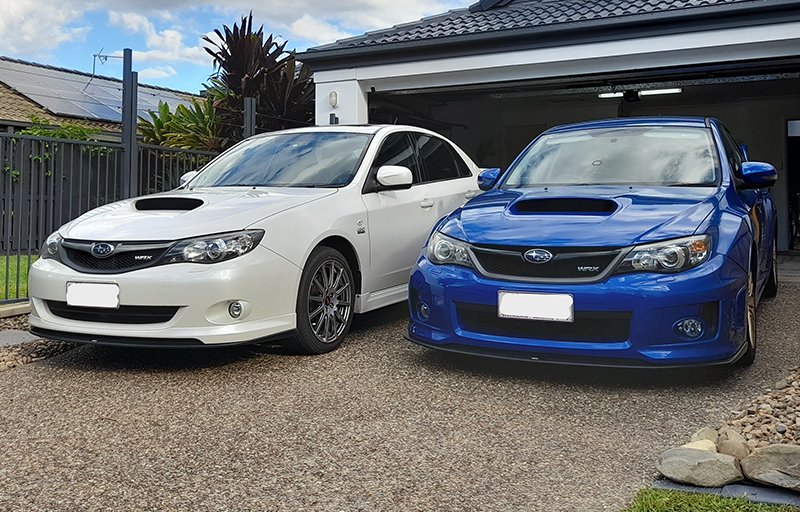
- GH/GR: 5-door hatchback Narrow body (2008-2010). 5-door hatchback Wide body (2011 – 2014), featuring wider fenders similar to the STI.
- GE/GV: 4-door sedan Narrow body (2008 – 2010). 4-door sedan Wide body (2011 – 2014), the sedan returned for 2011, featuring wider fenders similar to the STI.
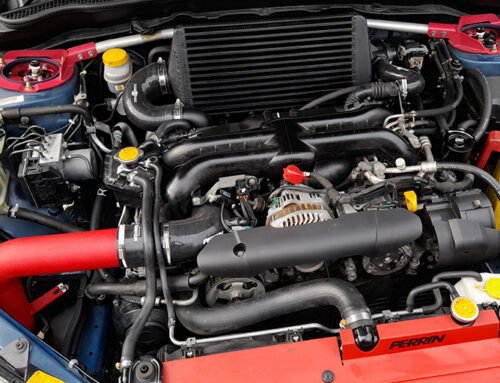
- Engine: EJ255 2.5L DOHC 16-valve turbocharged intercooled Boxer engine.
- 2008 Models: 224 hp (USDM, 2008 sedan only, hatchback was 265hp).
- 2009-2014 Models: 265 hp and 244 lb-ft of torque for both hatchback and sedan.
- Transmission: 5-speed manual transmission was standard. A 4-speed automatic was available on some earlier models but is less common and generally less desirable for enthusiasts.
- Drivetrain: Subaru Symmetrical All-Wheel Drive.
- Key Updates:
- 2008: Introduction of the hatchback body style, new chassis.
- 2009: Power bump to 265 hp for both sedan (where applicable) and hatchback, revised suspension tuning.
- 2011: Introduction of the wide-body sedan and hacthback mirroring the STI’s aggressive stance, updated front fascia, and interior refinements.
Key Considerations Before Buying
Before you start hunting, consider these factors to ensure the WRX is the right fit for you:
- Budget: Beyond the purchase price, factor in insurance, premium fuel (required), and potential maintenance/repair costs. These cars are getting older and may require significant upkeep.
- Intended Use: Will it be a daily driver, a weekend toy, or see occasional track duty? Your intended use will influence the type of car you should look for (e.g., stock vs. modified).
- Your Mechanical Aptitude: Are you comfortable with DIY repairs, or will you rely on a mechanic? Finding a trusted Subaru specialist is crucial.
- Availability: While many were sold, finding a well-maintained, unmolested example can be challenging as many have been modified or driven hard.
What to Look For: Common Issues and Inspection Points
Thorough inspection is paramount when buying a used WRX. Be patient and scrutinize every detail.
Engine (EJ255)
The EJ255, while powerful, has several known weaknesses, especially if not properly maintained or if modified poorly.
- Rod Bearings: Listen for a “knocking” sound, particularly when cold or under load. This is a serious issue requiring a full engine rebuild. While less prevalent than in the EJ257 (STI), it’s still a concern, especially in abused engines.
- Ringland Failure: A common issue where the piston rings break, leading to excessive oil consumption, loss of compression, smoke from the exhaust, and potentially misfires. Often caused by aggressive tunes, detonation, or low-quality fuel. Perform a compression and leak-down test.
- Head Gaskets: While more common on older naturally aspirated EJ engines, check for external oil or coolant leaks around the cylinder heads.
- Oil Consumption: Some oil consumption is normal for turbocharged Subaru engines, but excessive consumption (e.g., a quart every 1,000 miles) can indicate ringland issues or other internal wear.
- Turbocharger:
- Check for shaft play by removing the intake hose to the turbo. Excessive play (more than minimal in/out, or any side-to-side) indicates wear.
- Look for oil leaks around the turbo housing.
- Listen for unusual whining or grinding noises.
- Check for signs of blow-by (oil in the intake tract).
- Timing Belt: The timing belt, water pump, and idlers should be replaced around 105,000 miles. Ask for proof of this service. If not done, factor in a significant cost.
- PCV System: A clogged or malfunctioning PCV system can contribute to oil consumption and other engine issues.
Transmission & Drivetrain
- 5-Speed Manual: The 5-speed manual is known to be less robust than the STI’s 6-speed.
- Synchro Wear: Test all gears thoroughly. Listen for grinding, especially when shifting quickly into 2nd, 3rd, and 4th gear.
- Clutch: Check for slipping under heavy acceleration, especially in higher gears. A heavy or inconsistent pedal feel can also indicate issues.
- Reverse Gear: Ensure it engages smoothly without grinding.
- Differential Noise: Listen for clunking or whining from the front or rear differentials, especially when turning or accelerating.
- CV Axles: Check the rubber boots for tears or cracks. A clicking sound when turning sharply, especially at low speeds, indicates worn CV joints.
Suspension & Steering
- Struts/Shocks: Look for leaks around the strut bodies. Test the suspension by pushing down on each corner – it should rebound once without excessive bouncing.
- Bushings: Inspect control arm, sway bar, and various suspension bushings for cracks, tears, or excessive wear.
- Tie Rods/Ball Joints: Check for play in the steering by wiggling the wheels.
- Power Steering Pump: Listen for a whining noise, especially when turning the wheel. Check for leaks around the pump and lines.
Brakes
- Rotor & Pad Wear: Visually inspect the rotors for deep grooves or warping, and check pad thickness.
- Caliper Condition: Ensure calipers aren’t seized and move freely.
- ABS System: Check for any ABS warning lights.
Exterior
- Rust: Pay close attention to wheel wells, rocker panels, subframe, and around the rear fenders. Rust can be a significant issue, especially in colder climates.
- Accident Damage: Look for inconsistent panel gaps, mismatched paint, overspray, or signs of structural repair. Check the Carfax/Autocheck report, but remember it’s not always comprehensive.
- Modifications: Assess the quality and extent of any modifications. Heavily modified cars often indicate harder driving and can hide underlying issues. Prefer stock or lightly modified examples with documentation.
Interior
- Wear and Tear: Check seat bolsters, steering wheel, shift knob, and dash for excessive wear, rips, or cracks.
- Electronics: Test all windows, locks, mirrors, AC, heating, radio, and dashboard lights.
- Warning Lights: Ensure no check engine light (CEL), ABS, airbag, or other critical warning lights are illuminated after the car starts. If a CEL is on, get the codes pulled.
Modifications
A heavily modified WRX can be a joy or a nightmare. Proceed with caution.
- Ask for Documentation: Request receipts for parts and, crucially, dyno sheets and tuning reports from a reputable tuner.
- Quality of Work: Inspect the installation of aftermarket parts. Are wires neatly tucked, or is it a rat’s nest?
- Avoid Unknown Tunes: An aggressive or poorly executed “canned tune” can quickly destroy an EJ engine.
- Preference: For most buyers, a stock or lightly modified car (e.g., cat-back exhaust, upgraded shift knob) is a safer bet.
The Test Drive
A thorough test drive is critical:
- Cold Start: Insist on starting the car when it’s cold. Listen for any unusual noises (knocks, ticks, squeals).
- Idle: Ensure a smooth, consistent idle once warmed up.
- Acceleration: Test acceleration through all gears. Does the car pull strong and smoothly? Does the turbo spool up correctly?
- Shifting: Pay close attention to the transmission. Are shifts smooth and precise, or do you feel grinding or resistance?
- Braking: Test both light and hard braking. Is the pedal firm? Does the car pull to one side?
- Steering: Check for play in the steering wheel and listen for any groaning from the power steering pump.
- Suspension: Drive over bumps and uneven surfaces to listen for clunks or rattles.
- Exhaust Smoke: After a spirited run, check the exhaust for blue (oil), white (coolant), or excessive black (rich fuel mixture) smoke.
The Test Drive
A thorough test drive is critical:
- Cold Start: Insist on starting the car when it’s cold. Listen for any unusual noises (knocks, ticks, squeals).
- Idle: Ensure a smooth, consistent idle once warmed up.
- Acceleration: Test acceleration through all gears. Does the car pull strong and smoothly? Does the turbo spool up correctly?
- Shifting: Pay close attention to the transmission. Are shifts smooth and precise, or do you feel grinding or resistance?
- Braking: Test both light and hard braking. Is the pedal firm? Does the car pull to one side?
- Steering: Check for play in the steering wheel and listen for any groaning from the power steering pump.
- Suspension: Drive over bumps and uneven surfaces to listen for clunks or rattles.
- Exhaust Smoke: After a spirited run, check the exhaust for blue (oil), white (coolant), or excessive black (rich fuel mixture) smoke.
Pre-Purchase Inspection (PPI)
Even if you’re mechanically inclined, a Pre-Purchase Inspection (PPI) by a reputable, independent Subaru specialist mechanic is highly recommended. They have specialized tools and knowledge to identify issues you might miss. This small investment can save you thousands in potential repairs.
Pricing & Valuation
The price of a 3rd gen WRX will vary significantly based on:
- Condition: Mechanical and cosmetic condition are paramount.
- Mileage: Lower mileage generally commands a higher price.
- Body Style: Hatchbacks (GR) sometimes fetch a slight premium due to their versatility and popularity.
- Modifications: Lightly modified cars might be valued higher if the mods are desirable and professionally installed; heavily modified cars can be a gamble.
- Location: Prices can vary regionally.
Use resources like Kelley Blue Book (KBB), NADA Guides, Edmunds, and recent sales data from enthusiast forums or auction sites (like Bring a Trailer for high-quality examples) to gauge fair market value.
Post-Purchase Maintenance
Congratulations on your new WRX! To ensure its longevity, consider these immediate maintenance items:
- Fluid Changes: Engine oil, transmission fluid, differential fluid, coolant, power steering fluid, brake fluid.
- Spark Plugs: If service history is unknown, it’s a good preventative measure.
- Timing Belt: If nearing or past 105,000 miles and no record of replacement.
- General Tune-Up: Air filter, cabin filter, and a thorough inspection of belts and hoses.
Conclusion
The 3rd generation Subaru WRX remains a fantastic choice for those seeking an engaging driving experience combined with everyday practicality. However, like any performance car of its age, it requires diligent inspection and a clear understanding of its potential pitfalls. By being thorough, patient, and utilizing the advice in this guide, you can confidently find a WRX that will provide years of enjoyment on the road, regardless of the weather. Happy hunting!