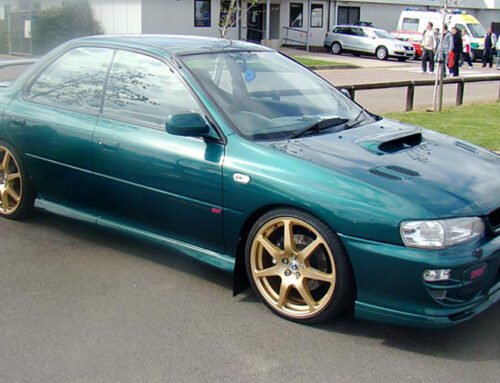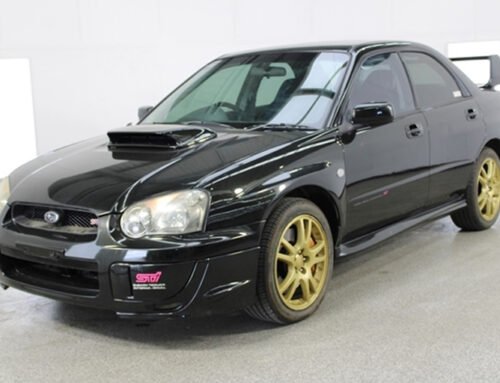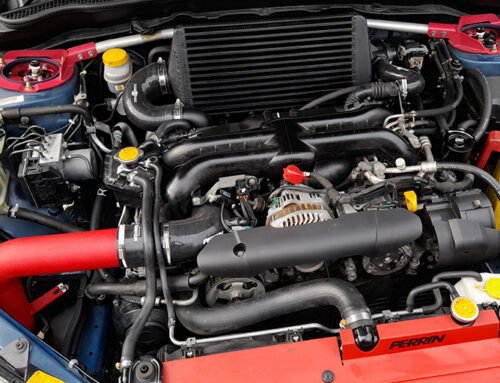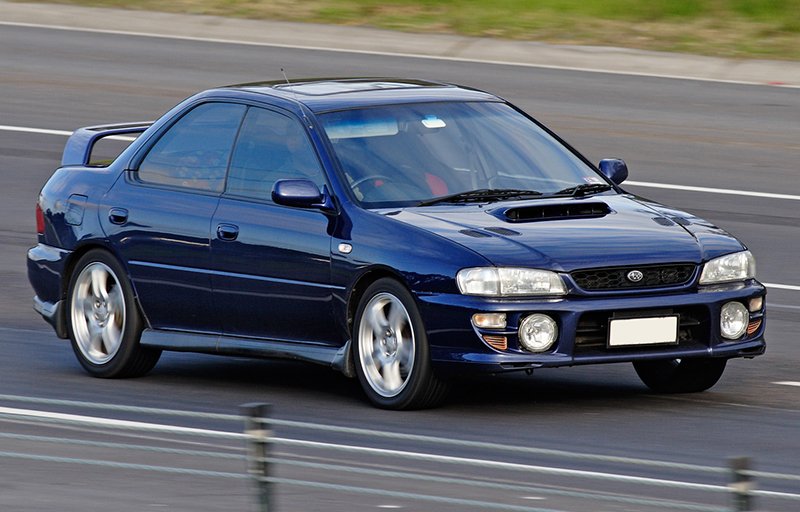
Buyer’s Guide: Purchasing a Subaru WRX 1st Generation. The 1st Generation Subaru WRX, often affectionately referred to by its chassis code GC8 (sedan), GF8 (wagon), or GM6 (coupe), represents a golden era for rally-bred performance cars. Introduced in Japan in 1992, these vehicles quickly earned legendary status for their potent turbocharged boxer engines, symmetrical all-wheel-drive system, and raw driving experience. For enthusiasts looking to own a piece of automotive history, a 1st Gen WRX can be an incredibly rewarding purchase, but it requires careful consideration and thorough inspection.
This guide will walk you through everything you need to know to make an informed decision when buying a classic 1st Generation Subaru WRX.
Why a 1st Gen Subaru WRX?
The original WRX captivated a generation with its rally pedigree and accessible performance. Born from Subaru’s success in the World Rally Championship, the WRX brought advanced technology like turbocharged engines, intercoolers, and sophisticated AWD systems to the masses.
Brief History & Context
The “WRX” moniker stands for “World Rally eXperimental,” and it was Subaru’s answer to homologation requirements for Group A rallying. While the Impreza chassis was sold globally, the turbocharged WRX variants were initially exclusive to the Japanese Domestic Market (JDM), with many later making their way to other countries as grey market imports. This generation laid the groundwork for the WRX’s global success.
What Makes It Special?
- Rally Heritage: Direct lineage to Colin McRae’s championship-winning cars.
- Symmetrical All-Wheel Drive: Exceptional grip and handling in all conditions.
- Turbocharged Boxer Engine: Unique engine note, low center of gravity, and impressive power output for its time.
- Raw Driving Experience: Less electronic intervention than modern cars, offering a more visceral connection to the road.
- Iconic Styling: The classic aggressive stance, hood scoop, and often, the large rear spoiler.
Understanding the 1st Generation WRX (GC8/GF8/GM6 Chassis)
The 1st Gen WRX evolved significantly throughout its production run from 1992 to 2000. Understanding the different versions is crucial.
Model Years & Variations (1992-2000)
The 1st Gen WRX is typically divided into “Versions” (V1-V6), each denoting a significant update. While power figures often stayed at the “gentleman’s agreement” 280 PS (276 hp) in later versions, torque, engine internals, suspension, and styling saw continuous improvements.
- Version 1 (1992-1993): EJ20G engine, ~240-250 hp. Early models, often identifiable by smaller fog lights.
- Version 2 (1994-1996): EJ20G engine, ~260-275 hp. Introduction of the iconic WRX STI (Subaru Tecnica International) sub-brand, offering higher performance and limited-slip differentials.
- Version 3 (1996-1997): EJ20K engine, ~280 hp. Significant engine revision with revised cylinder heads and intake manifold. This version often had larger fog light covers.
- Version 4 (1997-1998): EJ20K engine, ~280 hp. Minor tweaks, but notably saw the introduction of the legendary 22B STI (a wide-body coupe, GM6 chassis, running an EJ22G 2.2L engine).
- Version 5 (1998-1999): EJ207 engine (STI), ~280 hp. Facelift with revised front bumper, headlights, and interior. Stronger engine internals on STI models.
- Version 6 (1999-2000): EJ207 engine (STI), ~280 hp. Final iteration of the GC8 chassis, with minor refinements to suspension and styling.
Engine Options
The primary engine for the 1st Gen WRX was the EJ20.
- EJ20G: Found in V1 and V2 WRX/STI models. Closed-deck block on early STI versions.
- EJ20K: Found in V3 and V4 WRX/STI models. Open-deck block, revised heads, and a distinct intake manifold.
- EJ207: Found in V5 and V6 WRX STI models. This engine featured stronger internals, AVCS (Active Valve Control System) on some STI models (though less common on early EJ207s), and an improved turbo.
- EJ22G: Exclusive to the 22B STI, a 2.2-liter version of the EJ engine.
Chassis Codes
- GC8: Sedan body style.
- GF8: Wagon body style (Impreza WRX Sport Wagon).
- GM6: Coupe body style (e.g., WRX Type R, 22B STI).
What to Look For: Key Inspection Points
Due to their age, performance nature, and common past as modified vehicles, a thorough inspection is paramount.
Engine & Drivetrain
- Compression/Leak-down Test: If possible, this is the best way to assess engine health. Look for consistent numbers across all cylinders.
- Oil Leaks: Inspect around valve covers, oil pan, turbocharger lines, and rear main seal. Minor seepage might be acceptable for age, but active drips are a concern.
- Coolant Leaks: Check radiator, hoses, and water pump. Look for crusty coolant residue.
- Turbocharger: Listen for excessive whine or grinding. Check for smoke from the exhaust (blue/white smoke on startup or under load can indicate turbo seal failure). Inspect the turbo inlet pipe for oil residue, which can indicate bearing wear.
- Timing Belt Service: This is critical. The EJ engine timing belt interval is typically 100,000 km (60,000 miles) or 5 years. If there’s no record, assume it needs doing immediately. This is an expensive job.
- Clutch: Test for slip, especially in higher gears under acceleration. A heavy pedal could indicate a worn clutch or pressure plate.
- Transmission: Listen for grinding, especially in 1st, 2nd, and 3rd gears during upshifts and downshifts. Synchros can wear out. Check for excessive play in the shifter linkage.
- Differentials: Listen for clunks or whines from the front and rear differentials, particularly when turning slowly. Check for leaks.
- Modifications: Be wary of heavily modified engines unless documented by a reputable tuner. Poorly tuned engines are a recipe for disaster. Look for aftermarket ECUs (e.g., Apexi Power FC), larger turbos, injectors, or exhaust systems.
Chassis & Body
- Rust: This is the biggest enemy. Pay close attention to:
- Rear wheel arches (inside and out)
- Rocker panels/sills
- Strut towers (front and rear)
- Subframes and suspension mounting points
- Underbody, especially around jacking points and fuel tank straps.
- Seams in the engine bay and trunk.
- Accident Damage: Look for inconsistent panel gaps, mismatched paint, overspray, ripples in the frame rails, and signs of welding or repair under the carpet in the trunk.
- Suspension: Check for worn out shocks (bouncing, leaks), cracked springs, worn bushings (control arms, sway bars), and noisy top mounts.
- Brakes: Inspect rotors for warping or excessive wear, pads for thickness, and calipers for leaks or seizing. Test the handbrake.
Interior
- Seat Bolsters: Driver’s seat bolster wear is common.
- Dash Cracks: Less common on JDM models than some other marques, but still check, particularly around the vents.
- Electronics: Test all windows, mirrors, air conditioning (if equipped), radio, and dashboard warning lights.
- Aftermarket Gauges/Wiring: Inspect any additional gauges (boost, oil temp/pressure) for professional installation. Poor wiring can lead to electrical gremlins.
Electrics
- Sensors: Issues with MAF (Mass Air Flow) or O2 sensors can cause rough idling or poor performance.
- Wiring Harness: Check for brittle or exposed wiring, especially in the engine bay.
- Immobilizer/Alarm: Some imported vehicles might have aftermarket security systems that can cause issues.
Common Issues & Known Weaknesses
- Rust: As mentioned, it’s the primary concern for older JDM vehicles, especially those exposed to harsh climates.
- Worn Suspension Components: Bushings, shocks, and mounts are often original and will be tired.
- Synchro Wear: Particularly in 3rd gear, due to aggressive driving.
- Turbocharger Wear: High mileage or poor maintenance leads to worn bearings and oil seals.
- Head Gaskets: While the JDM EJ20s are generally more robust than their USDM EJ25 counterparts for head gasket issues, they are still aging engines and worth monitoring.
- Ringland Failure: Can occur on modified engines, especially if tuned aggressively or run on poor fuel. Listen for piston slap.
- Power Steering Pump Whine: Common, but often just a noisy pump rather than an imminent failure.
Pre-Purchase Checklist & Due Diligence
- Service History: JDM imports often come with limited history. Ask for any available records, even Japanese ones, as they can be translated.
- Import Documentation: Ensure all customs and registration paperwork is in order for your country/state. Verify the vehicle’s identity against the chassis number.
- VIN Check / Chassis Number Check: While a traditional VIN check might not work for JDM chassis numbers, research the specific chassis number to verify its authenticity and version.
- Professional Inspection: Always arrange for a pre-purchase inspection by a reputable mechanic familiar with Subaru performance vehicles. This is money well spent.
- Test Drive:
- Start the car cold and listen for any unusual noises.
- Check for smoke from the exhaust.
- Pay attention to how the engine pulls through the rev range – smoothly or with hesitation?
- Test the brakes for pull or shudder.
- Listen for suspension noises over bumps.
- Test AWD by turning tightly at low speed in an empty lot – listen for binding or clunking.
Valuation & Pricing
Pricing for 1st Gen WRXs varies wildly based on numerous factors:
- Condition: Pristine, low-mileage examples command a significant premium.
- Rarity of Variant: STI Type RA, V-Limited editions, and especially the 22B STI are highly sought after and expensive.
- Modifications: Well-chosen, quality modifications might add value to the right buyer; cheap, poorly installed parts detract from it.
- Import Status: Legally imported and registered vehicles will be worth more than those with questionable paperwork.
- Mileage: Lower mileage generally means higher value, but consistent maintenance is more important than absolute numbers.
Research recent sales of similar models in your region to get a realistic idea of market value. Be prepared to pay a premium for a well-maintained, unmolested example.
Post-Purchase Considerations
- Maintenance Schedule: Establish a regular maintenance schedule. Focus on fluid changes (engine oil, transmission, differential, brake, coolant), spark plugs, and filter replacements.
- Parts Availability: While many parts are shared with global Impreza models, specific JDM WRX/STI components can be harder to source and more expensive. Join owner forums for advice on parts suppliers.
- Specialist Mechanic: Find a mechanic with experience working on JDM Subaru performance vehicles.
- Insurance: Older, imported performance cars can sometimes be more expensive to insure. Get quotes before you buy.
Conclusion
The 1st Generation Subaru WRX is an automotive icon, offering a thrilling and engaging driving experience that’s increasingly rare in modern cars. While they require careful inspection and ongoing maintenance due to their age and performance nature, finding a well-preserved example can lead to years of enjoyment and a strong sense of connection to rally history. Do your homework, be patient, and trust your instincts – the right GC8 is out there waiting for you.